Whether a Springer Spaniel Passes the Canine Good Citizen Test
Many Springer Spaniel owners dream of having that perfectly well-behaved companion, the dog that can calmly navigate public spaces and greet strangers politely. But let's be honest, sometimes that dream feels miles away when you're wrestling with a dog whose nose is glued to the ground, or whose excitement turns every greeting into a joyful (if chaotic) leap-fest. The good news is, achieving that level of canine citizenship isn't just a pipe dream; it's a very achievable goal, and this guide will walk you through how your spirited Springer can absolutely pass the Canine Good Citizen test, proving they’re a credit to their breed and your family.
What Exactly Is the Canine Good Citizen Test, Anyway?
Before we dive into how your English Springer Spaniel can ace it, let's get a clear picture of what the Canine Good Citizen (CGC) test actually entails. It's not some high-level competition designed for elite show dogs; it's a certification program established by the American Kennel Club (AKC) to recognize dogs who have good manners at home and in the community. Think of it as a solid foundation for any dog, proving they can be a polite member of society. It's about practical, real-world skills that make living with your dog a joy.
The Ten Pillars of Canine Good Manners
The CGC test is broken down into ten specific exercises, each designed to evaluate a different aspect of your dog's training and temperament. It's not about perfection, but about demonstrating control, willingness, and a generally pleasant demeanor. If your Springer can consistently perform these tasks, you're well on your way to a smoother, happier life together.
Here’s a quick rundown of the test items:
| Test Item | What it Tests | Springer Spaniel Consideration |
|---|---|---|
| 1. Accepting a Friendly Stranger | Dog allows a stranger to approach and pet them. | Typically friendly, but can be exuberant; needs to learn polite greeting without jumping. |
| 2. Sitting Politely for Petting | Dog remains in a sit while being petted by a stranger. | Similar to above, focus on maintaining position despite excitement. |
| 3. Appearance and Grooming | Dog permits a person to lightly brush them and check paws/ears. | Generally tolerant, but feathering and ears need regular attention, so they're usually accustomed. |
| 4. Out for a Walk (Loose Leash Walking) | Dog walks on a loose leash, turning and stopping with handler. | Their strong scent drive can make this challenging; focus and consistency are key. |
| 5. Walking Through a Crowd | Dog walks politely through a small group of people. | Can be easily distracted by new sights/smells; needs exposure and focus practice. |
| 6. Sit and Down on Command/Staying in Place | Dog performs sit/down, then holds a stay. | Intelligent and eager to please, but their high energy can make long stays difficult without practice. |
| 7. Coming When Called | Dog comes reliably when handler calls from 10 feet away. | Often excellent recall due to breed's working nature, but distractions can be powerful. |
| 8. Reaction to Another Dog | Dog acts politely when encountering another dog on leash. | Generally social, but excitement can lead to pulling or barking; calm greetings are the goal. |
| 9. Reaction to Distractions | Dog shows confidence and resilience to sudden noises/sights. | Usually adaptable, but startling noises might trigger a reaction; desensitization helps. |
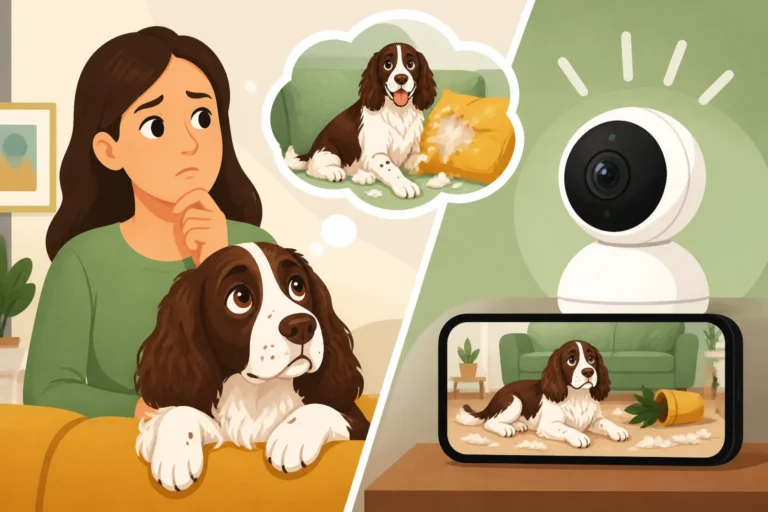
| 10. Supervised Separation | Dog remains calm and unattended for 3 minutes. | Can struggle with separation anxiety; this is often the hardest item for Springers. |
Each of these components is crucial because it mimics situations you'll encounter in everyday life, whether at the vet, a park, or even just having guests over. It's about building a respectful, functional relationship with your dog.
Beyond the Basic: Why CGC Matters for Springer Spaniels
For many of us who share our lives with these incredibly smart and energetic dogs, the CGC test is more than just a certificate; it's a testament to their potential. Springer Spaniels are, by nature, active and intelligent working dogs. They thrive on having a job and enjoy learning. The structure of CGC training provides that mental engagement they crave, channeling their boundless energy into productive, positive behaviors.
It also serves as a fantastic stepping stone. If you've ever thought about venturing into more advanced dog sports like agility, obedience trials, or even therapy dog work, the CGC is often a prerequisite. It demonstrates that your dog has the foundational manners and temperament required to handle more complex training and public settings. For a breed like the Springer, which excels in so many areas, it opens up a world of possibilities. Whether a Springer Spaniel Can Do Agility is a great example of how this foundation can lead to other exciting ventures.
Why a Springer Spaniel is Both a Natural and a Challenge for CGC
Owning a Springer Spaniel is a unique experience. They are bundles of joy, enthusiasm, and often, an overwhelming amount of energy. These very traits can make them both shining stars and head-scratching challenges when it comes to formal obedience and the CGC test. Understanding these inherent breed characteristics is the first step to tailoring your training approach for success.
The Springer's Strengths: Intelligence, Eagerness, and Drive
Let's start with the good stuff! Springer Spaniels are incredibly intelligent. They pick up new commands quickly, often surprising owners with how few repetitions they need to grasp a concept. This isn't just anecdotal; their history as versatile gundogs means they were bred to think, adapt, and work closely with their handlers. This keen intelligence is a huge advantage for the CGC test, where understanding and responding to cues is paramount. How Fast a Springer Spaniel Learns delves deeper into their cognitive abilities.
Beyond their brains, Springers possess an innate eagerness to please their people. They truly want to be part of what you're doing, and they thrive on positive reinforcement and praise. When they understand what you want, they will often try their absolute best to deliver. This biddable nature, combined with their strong work ethic, means they are often highly motivated by training sessions, especially if treats, toys, or a good game of fetch are involved as rewards.
Their natural drive is another asset. Whether it's the intense scent drive of a field-bred Springer or the enthusiastic retrieve of a show-bred line, this inherent motivation can be harnessed. Instead of seeing their drive as a distraction, you can use it to your advantage, making training a fun, engaging activity rather than a chore. They're often confident and outgoing, which helps with the "friendly stranger" and "crowd" portions of the test.
The Springer's Hurdles: High Energy, Scent Drive, and Sensitivity
Now for the challenges. That boundless energy, while wonderful for a day in the field or a long hike, can be a major hurdle in a quiet obedience class or during a "stay" exercise. A Springer Spaniel who hasn't had sufficient exercise before a training session or the test might struggle to focus, easily becoming fidgety or distracted. They need an outlet for their physical and mental energy before they can be expected to settle and concentrate. How Much Exercise a Field Bred Springer Spaniel Needs illustrates just how much activity these dogs truly require.
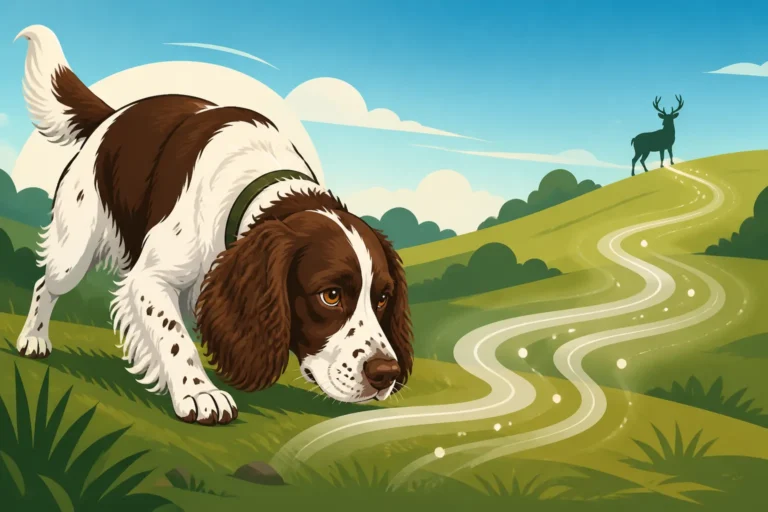
Their powerful nose is another double-edged sword. While it makes them incredible hunters and scent work competitors, it can turn a loose-leash walk into a full-body drag as they follow an invisible trail of fascinating smells. Ignoring novel scents and focusing on the handler requires significant training and consistency, especially during the "out for a walk" and "walking through a crowd" portions of the CGC test.
Lastly, Springers can be quite sensitive. They respond best to positive reinforcement and gentle guidance. Harsh corrections or shouting can cause a sensitive Springer to shut down, become anxious, or even lose trust in their handler. The Soft Springer Spaniel That Shuts Down If You Shout explores this aspect of their temperament in detail. This sensitivity means you need to be mindful of your training methods, ensuring they are positive, encouraging, and build confidence rather than fear.
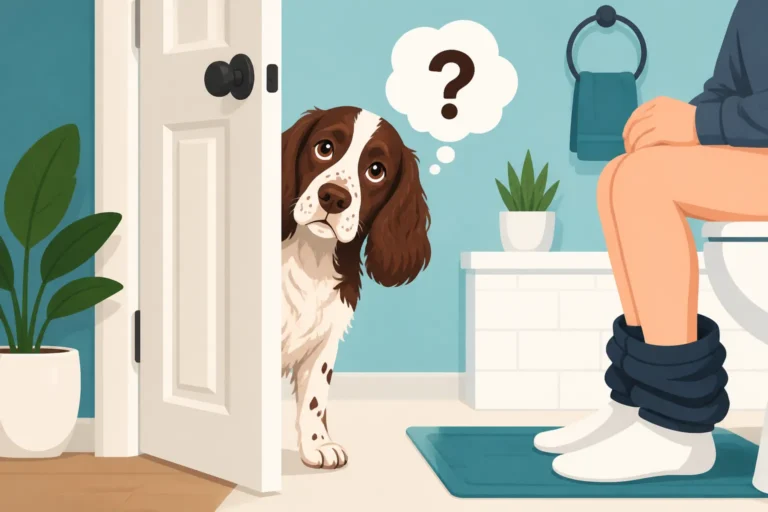
Another common challenge, particularly for Springers, is the "supervised separation" component. Many Springer Spaniels develop a very strong bond with their owners, often earning them the nickname "Velcro dogs." While this devotion is endearing, it can manifest as separation anxiety or simply a strong reluctance to be left alone, even for a few minutes. This particular test item can require dedicated practice to help your Springer build confidence in your absence. Separation Anxiety in a Springer Spaniel is a good resource if you suspect your dog has challenges in this area.
Preparing Your Springer for the CGC Test: Practical Steps
So, you've decided to go for it – excellent! Preparing your Springer Spaniel for the CGC test is a rewarding journey that strengthens your bond and hones their manners. It’s not about cramming, but about consistent, positive training that fits into your everyday life.
Foundational Training: Consistency is Key
The success of your Springer on the CGC test largely depends on the strength of their basic obedience. This means rock-solid "sit," "down," "stay," and "come." These aren't just commands; they are essential tools for managing your dog in various situations. Start training early, ideally when they are puppies, making it a fun and positive experience. The First Year With a Springer Spaniel Puppy covers crucial early training principles.
- Positive Reinforcement: Springers thrive on positive reinforcement. Use high-value treats, praise, and favorite toys to reward desired behaviors. Avoid harsh corrections, which can make your sensitive Springer anxious or reluctant to perform. Think about what truly motivates your dog – for some, it’s a squeaky toy, for others, a delicious piece of boiled chicken.
- Short, Frequent Sessions: Given their intelligence and eagerness, Springers can get bored if training sessions are too long and repetitive. Aim for short (5-10 minute) but frequent training sessions throughout the day. This keeps them engaged and makes learning enjoyable.
- Proofing: This is where many owners stumble. Your dog might perform perfectly in your living room, but can they do it at a busy park? "Proofing" means practicing commands in increasingly distracting environments. Start in a quiet room, then move to the backyard, a friend's house, a quiet park, and eventually, busier public areas. This helps your Springer generalize their skills, which is vital for the CGC test.
Addressing Specific CGC Challenges
As we discussed, Springers have particular traits that can make certain CGC components more challenging. Let's tackle them head-on.
Mastering Loose Leash Walking
That powerful nose and inherent drive to explore can make loose leash walking feel like an Olympic sport.
- Equipment: A front-clip harness or a head halter can be incredibly helpful for managing pulling without causing discomfort. Brands like Amazon offer a wide range of options that can make walks more pleasant for both of you.
- Engage and Reward: Instead of simply pulling them along, actively engage your Springer during walks. Practice sudden turns, changes of pace, and rewarding them heavily when they are walking nicely by your side. If they pull, stop dead until the leash slackens, then resume walking. Consistency here is paramount.
- "Watch Me" Command: Teach a strong "watch me" or "focus" command to get your dog's attention, especially when distractions loom. This can be a lifesaver when you pass another dog or a particularly interesting patch of grass. Whether a Springer Spaniel Learns Hand Signals can be useful here too, as visual cues can sometimes cut through distractions better than verbal ones.
Conquering the "Stay"
A solid "stay" can feel like an impossible feat with an energetic Springer.
- Gradual Increase: Start with very short stays (a few seconds) and gradually increase the duration and distance. Reward generously for success.
- "Place" Command: Teaching a "place" command, where your dog goes to a specific spot (like a mat or dog bed) and stays there, can build duration and teach them to settle. This is also excellent for supervised separation practice.
- Manage Energy: Make sure your Springer has had a good run or play session before you attempt "stay" training. A tired Springer is much more likely to settle.
Overcoming Separation Reluctance
The "supervised separation" test item can be tough for our "Velcro" Springers.
- Build Independence Gradually: Practice leaving your dog for very short periods (seconds) while you are still in the house. Gradually increase the time.
- Positive Associations: Give your Springer a high-value, long-lasting chew toy (like a Kong stuffed with peanut butter) only when you leave. This helps create a positive association with your absence.
- Avoid Drama: When you leave or return, do so calmly. Don't make a big fuss, as this can heighten their anxiety about your departure or arrival.
- Professional Help: If your Springer truly struggles with separation, don't hesitate to seek advice from a certified professional dog trainer. Programs like BAXTER & Bella offer comprehensive online training resources and live support that can be invaluable for working through such challenges in a structured way.
Utilizing Resources and Training Classes
You don't have to go it alone! There are many excellent resources available to help you prepare.
- Books and Online Guides: The AKC website offers detailed descriptions of the CGC test items. You can also find numerous training books on Amazon that focus on positive reinforcement obedience.
- Training Classes: Enrolling in a local obedience class or a specific CGC prep class is highly recommended. Not only do you get expert guidance, but the class environment provides crucial exposure to other dogs, people, and distractions, which is exactly the kind of proofing your Springer needs.
- Practice, Practice, Practice: The more real-world scenarios you expose your Springer to, the more comfortable and confident they'll become. Take them to dog-friendly stores, parks, and even just sit outside a coffee shop to practice being calm around people and other dogs.
Remember, the goal isn't just to pass the test, but to develop a well-adjusted, well-behaved companion. The journey of preparing for the CGC is a fantastic way to deepen your relationship and teach your Springer invaluable life skills. Whether Positive Training Alone Works on a Springer Spaniel is a good read if you're wondering about the most effective training methodologies for this sensitive breed.
Passing with Flying Colors: Test Day Tips and Beyond
The big day has arrived! You and your Springer have put in the work, and now it's time to show off those manners. While the test itself is straightforward, there are a few things you can do to ensure both you and your dog are set up for success, and what comes next after you (hopefully) pass.
Before and During the Test
- Pre-Test Exercise: This is absolutely critical for a Springer Spaniel. Make sure your dog has had a good opportunity to burn off some energy before heading to the test. A brisk walk, a solid retrieve session in the yard, or some vigorous playtime can make all the difference, helping them focus better during the test itself. A tired Springer is a much more attentive student!
- Arrival and Acclimation: Arrive a little early to allow your Springer to sniff around the testing area and get comfortable with the new environment. Let them greet the evaluators briefly, but then settle them down.
- Keep it Positive: Maintain a calm, encouraging demeanor. Your dog picks up on your emotions, so if you're stressed, they'll be stressed. Offer plenty of praise and reinforcement throughout the test, even for small successes.
- Bring the Right Gear: Have your dog on a buckle or slip collar and a 6-foot leash (no retractable leashes). Bring high-value treats and a favorite toy (to be used only as a reward, not a distraction during the test).
- Understand the Evaluator's Role: The evaluator isn't trying to trick you or your dog. They are looking for a dog that demonstrates good manners. They'll give clear instructions, and you can ask clarifying questions if needed. They are observing your dog's willingness to perform and their general temperament.
- Manage Distractions: During the "reaction to distractions" test, don't try to shield your dog. Let them experience the distraction, and gently encourage them to remain calm. A quick "look" or "leave it" command, followed by a reward for focusing on you, can be effective.
- Supervised Separation Strategy: For this part, ensure your Springer has had that good pre-test exercise. Give them a special chew or toy (like a Kong filled with something delicious) before you walk away, to create a positive association. Don't make eye contact or talk to them while you're separated; the goal is for them to be calm when you're not interacting.
What Happens After Passing?
Congratulations! Passing the Canine Good Citizen test is a fantastic achievement for any dog, and especially for a high-energy, intelligent Springer Spaniel. You'll typically receive a certificate from the AKC acknowledging your dog's accomplishment. But the journey doesn't have to end there!
- The Foundation for More: The CGC is a springboard. Your well-mannered Springer is now poised for so much more. Many owners go on to pursue advanced titles like CGC Advanced (CGCA), CGC Urban (CGCU), or even Trick Dog titles. The skills learned are directly applicable to sports like rally, obedience, and agility, where your Springer's athleticism and brains can truly shine. Whether a Springer Spaniel Competes in Obedience is a related read that might spark further interest.
- Therapy Dog Work: A calm, friendly Springer who has passed their CGC is an excellent candidate for therapy dog work. Imagine the joy your dog could bring visiting hospitals, nursing homes, or schools. Their gentle nature and love for people are perfect for this role.
- Continued Training: Don't let the skills lapse! Continue to practice the CGC exercises regularly in different environments. This keeps your Springer sharp and ensures their good manners remain consistent. Training is a lifelong journey for both you and your dog.
- Enjoy the Benefits: The most immediate benefit is enjoying a dog who is a pleasure to take out in public. No more worrying about unruly greetings or excessive pulling on the leash. You'll feel more confident, and your Springer will appreciate the increased opportunities to join you on adventures, whether it's a stroll through a local farmers market or a visit to a dog-friendly cafe. It truly transforms the relationship into one of mutual respect and understanding.
Passing the Canine Good Citizen test is a celebration of your Springer Spaniel's potential and your dedication as an owner. It's a wonderful milestone that proves with patience, positive reinforcement, and a deep understanding of their unique breed traits, your Springer can truly be a good citizen in every sense of the word.
Disclaimer
This article is for general informational purposes only and does not constitute professional advice. Laws, prices and regulations vary by location and change over time. Consult a qualified professional for guidance on your specific situation.