Whether a Field Bred Springer Spaniel Costs Less to Insure
It’s a common thought among Springer Spaniel owners, especially those deeply familiar with the breed’s distinct lines: does owning a field-bred Springer Spaniel actually translate into lower pet insurance costs compared to their show-bred counterparts? Many believe a dog bred for working has fewer health issues and is perhaps hardier, but the reality of pet insurance premiums is a bit more nuanced than that. This guide will explore the various factors influencing insurance costs and whether your field-bred companion truly offers a financial edge.
Understanding Pet Insurance Premiums: What Drives the Cost?
Pet insurance isn't a one-size-fits-all product, and its pricing is influenced by a multitude of factors, some of which are very specific to your dog, and others that are broader industry trends. It’s easy to feel frustrated when you’re looking at quotes that seem wildly different, but understanding the underlying calculations can help demystify the process.
Breed-Specific Health Risks and Genetic Predispositions
One of the primary drivers of insurance costs is the breed's general health profile. Insurance companies analyze vast amounts of data to determine the likelihood of certain conditions occurring in specific breeds. For English Springer Spaniels, common issues like Primary Glaucoma and the Springer Spaniel That Loses an Eye or Hip Dysplasia in a Springer Spaniel are factored into the actuarial tables. If a breed is known for expensive, chronic conditions, premiums will naturally be higher.
It's not just about a dog getting sick; it's about the cost of treating those illnesses. Some breeds might be prone to conditions that require lifelong medication, specialized surgeries, or extensive diagnostic workups, all of which contribute to higher payouts from insurers. This is why a purebred dog, generally speaking, often has higher premiums than a mixed breed, as purebreds tend to have more predictable genetic health predispositions. Breeders who perform health tests for issues like Fucosidosis, PFK Deficiency, or eye diseases are doing a great service, as these tests aim to reduce the incidence of such costly conditions. You can read more about these in The DNA Test That Should Precede Every Springer Spaniel Purchase.
Age, Location, and Coverage Choices
Beyond breed, your individual dog's age plays a significant role. Puppies are generally cheaper to insure because they're less likely to develop chronic conditions or age-related illnesses, but as a dog matures, premiums will steadily climb. Once a Springer Spaniel crosses into its senior years, typically around The Age a Springer Spaniel Counts as a Senior, you can expect a more substantial increase, reflecting the higher probability of age-related health issues.
Your geographical location also matters. Veterinary costs can vary dramatically across different regions. A vet visit in a major metropolitan area like New York City or Los Angeles is almost always going to be more expensive than one in a rural town in Kansas. Insurance companies adjust premiums to reflect these regional differences in healthcare costs.
Finally, the type and level of coverage you choose directly impact the premium. Do you want accident-only, accident and illness, or a comprehensive plan that includes wellness care? What deductible do you select? What reimbursement percentage (e.g., 70%, 80%, 90%) do you prefer? Higher deductibles and lower reimbursement percentages will lead to lower monthly premiums, but you'll pay more out-of-pocket when a claim arises. For instance, What a Springer Spaniel's Vet Bills Look Like can quickly add up if you don't have adequate coverage.
Field vs. Show Springer Spaniels: A Tale of Two Lifestyles and Their Health Implications
When we talk about English Springer Spaniels, it’s crucial to understand that "field" and "show" refer to more than just aesthetics; they represent significant divergences in breeding goals, temperament, physical build, and importantly, activity levels and potential health concerns. This divergence plays a subtle, yet often impactful, role in how insurance companies assess risk.
Distinctive Health Profiles and Activity Levels
Field-bred Springer Spaniels are, by their very nature, athletes. They are bred for stamina, drive, and working ability in demanding conditions. This means they often possess a leaner build, a shorter, less dense coat, and an intense desire to run, retrieve, and traverse challenging terrain. Their lives are often filled with vigorous activity, whether it's How Much Exercise a Field Bred Springer Spaniel Needs for a hunting companion or participation in dog sports like agility or dock diving. This high level of activity, while excellent for cardiovascular health, can also predispose them to certain types of injuries. Think about torn cruciate ligaments, sprains, broken bones, or accidental ingestions (like eating something they shouldn't while working in the field).
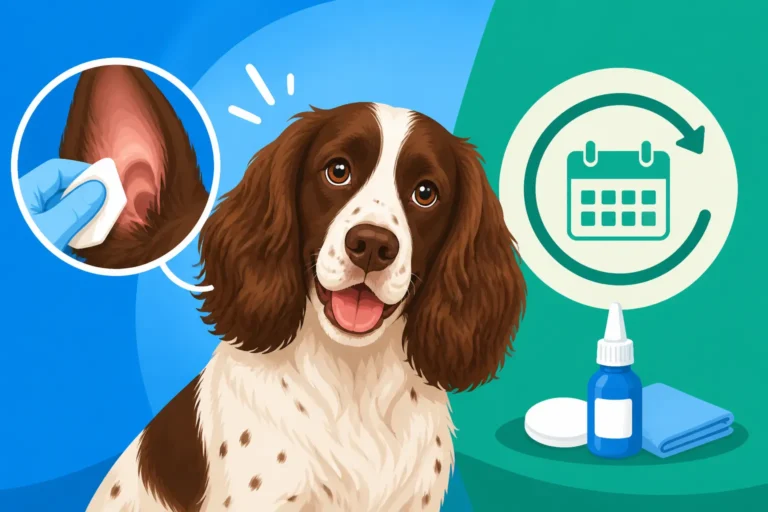
On the other hand, show-bred Springer Spaniels are typically bred to conform to a specific breed standard focused on appearance, gait, and temperament suitable for the show ring. They often have a heavier bone structure, a fuller, longer coat with extensive feathering, and a generally calmer demeanor than their field counterparts, though they still require plenty of exercise. While they might be less prone to field-related traumatic injuries, their dense coats and drop ears can make them more susceptible to chronic issues like severe matting or Why a Springer Spaniel's Ears Are Never Quite Healthy. These persistent ear infections can lead to costly veterinary visits, medications, and sometimes even surgery.
Perceived Risks and How Insurers View Them
It's not always a straightforward equation of "field dogs are healthier so they cost less." Insurance providers don't typically have a separate pricing tier for "field-bred" versus "show-bred" within the same breed, unless the breed standards themselves have officially diverged into two recognized types. For most companies, a Springer Spaniel is a Springer Spaniel.
However, the lifestyle associated with each type can indirectly influence claims. If a field-bred Springer is constantly in the field, it might incur more claims related to accidents, such as cuts, punctures from thorns, injuries from falls, or even things like grass awns migrating into sensitive areas. If a show-bred Springer develops chronic ear infections requiring repeated vet visits, specialized cleaners, or medicated drops, those recurring costs, once a condition is established, will be processed as claims. Whether Insurance Covers a Springer Spaniel's Ears is a common concern for Springer owners, and recurrent ear issues can lead to a condition being deemed "pre-existing" if not covered early.
Insurers look at the aggregate data for the English Springer Spaniel breed as a whole. They'll factor in the prevalence of both types of issues (accidents and chronic illnesses) when setting base premiums. The actual impact on your premium might come down to whether your specific dog develops frequent issues, regardless of whether those issues are typical of field or show lines.
Consider the potential costs:
| Risk Factor | Field-Bred Springer Spaniel | Show-Bred Springer Spaniel |
|---|---|---|
| Accidental Injuries | Higher likelihood (cuts, sprains, foreign bodies, paw injuries) | Lower likelihood of field-specific trauma |
| Chronic Conditions | Similar genetic predispositions (hips, eyes) | Similar genetic predispositions, but heavy ears/coat may increase ear/skin issues |
| Ear Infections | Moderate risk, especially if swimming in dirty water | Higher risk due to heavier ears and denser ear canal hair |
| Grooming-Related Issues | Lower risk (shorter coat) | Higher risk (mats, skin issues under dense coat) |
| Exercise-Induced Illnesses | PFK deficiency can be triggered by exertion What Triggers a PFK Episode in a Springer Spaniel | Less common due to generally lower intensity exercise |
| Overall Vet Bills | Can be high from acute trauma or specific genetic conditions | Can be high from chronic conditions (ears, skin) or genetic issues |
The cost of individual veterinary treatments, regardless of the cause, is what truly impacts claims. So, while the nature of the potential claims might differ, the frequency and cost of those claims are what ultimately matter to an insurer.
The "Working Dog" Factor: How Insurance Companies View an Active Springer
It might seem logical that a dog actively working or participating in demanding sports would be seen as a higher risk by insurance companies, and in some cases, this perception holds true. However, the nuance often lies in how "working dog" is defined and whether specific endorsements or exclusions apply.
Definitions of "Working Dog" and Policy Implications
For many pet insurance providers, a "working dog" might conjure images of police K9s, military dogs, or search and rescue animals, which often have specialized insurance needs that fall outside standard pet policies. Your Springer Spaniel, even if it's a dedicated hunting companion, isn't typically categorized in the same high-risk bracket as these specialized working dogs. Most pet insurance policies are designed to cover household pets, even if those pets lead very active lives or participate in sports.
However, some policies might have exclusions or limitations related to certain high-risk activities or types of accidents. For example, if your Springer Spaniel participates in activities like professional hunting competitions with prize money, or extreme sports, you might find specific exclusions in some standard policies. It's crucial to read the fine print, especially if your dog's activities are outside the realm of typical "pet" behavior. A dog that is truly "working" in a professional capacity, rather than just enjoying a strenuous hobby, may need a different kind of policy.
Most reputable pet insurance providers, like Healthy Paws or those available through platforms like Chewy, understand that many dogs are active. They usually don't penalize a pet simply for being a field-bred Springer Spaniel that goes hunting on weekends or trains for retriever trials. The risk is typically embedded in the general breed profile and the likelihood of any Springer Spaniel incurring common injuries, not necessarily discriminating between an active pet and a less active one unless that activity constitutes a professional risk.
Accident Rates and Breed Resilience
While field-bred Springers are more prone to certain types of accidents due to their environment and activities, they are also often bred for resilience and robust health. Responsible field breeders emphasize sound structure, good temperament, and genetic health. This focus can, in theory, lead to a dog that is less likely to suffer from certain inherited conditions. However, as noted earlier, insurance pricing is based on breed averages, not necessarily the specific line or individual dog.
It's a bit of a trade-off. A highly active field Springer might have a higher chance of, say, stepping on a thorn or tearing a pad while in heavy cover, which can lead to emergency vet visits. On the other hand, the continuous physical activity can keep their joints healthier and their weight in check, potentially reducing the risk of conditions exacerbated by obesity later in life. Whether a Working Springer Spaniel Wears Out Its Joints is a valid concern, but proper conditioning can help.
The reality is that whether a field-bred Springer costs less to insure is not usually due to a specific "field dog discount." It's more about how the individual dog's health history develops over time, and whether their specific activities lead to more claims. If your field Springer has a string of accident-related claims, your premiums might increase upon renewal, or you might find new exclusions for those types of injuries if the company deems them chronic and related to an existing condition. Whether a Springer Spaniel's Ear Disease Becomes Pre Existing is a prime example; if you have recurrent ear infections, insurance will cover it up to a point, but eventually, some companies might consider it pre-existing or raise your rates.
Navigating Insurance for Your Springer: Tips for Finding the Right Coverage
Finding the right pet insurance for your English Springer Spaniel, whether field or show-bred, involves a bit of homework. It's not just about the monthly premium, but what you actually get for your money when you need it most.
Comparing Policies and Understanding Coverage
The first step is to thoroughly compare policies from different providers. Don't just look at the premium. Dive into the details:
- Deductibles: How much do you have to pay out-of-pocket before your insurance kicks in?
- Reimbursement Percentage: What percentage of the vet bill will the insurer pay after the deductible is met?
- Annual Limits: Is there a cap on how much the policy will pay out in a year? Some plans offer unlimited coverage, which can be invaluable for chronic or severe conditions.
- Exclusions: What isn't covered? Pay close attention to pre-existing conditions, bilateral conditions (if one knee is affected, will the other be covered?), and breed-specific exclusions (though these are rare for Springers).
- Waiting Periods: How long do you have to wait after enrolling before coverage for accidents or illnesses begins? This can range from a few days for accidents to weeks or even months for orthopedic conditions.
Platforms like Chewy often provide an easy way to compare multiple insurance providers in one place, which can save you a lot of time and effort. Many insurers, including Healthy Paws, offer online quote tools that can give you an immediate estimate based on your dog's age, breed, and your location.
The Importance of Early Enrollment
One of the biggest pieces of advice any pet owner can receive is to enroll your Springer Spaniel as early as possible – ideally when they are a puppy. This is because pet insurance generally does not cover pre-existing conditions, which are any illnesses or injuries that occurred or showed symptoms before the policy started or during its waiting period.
If you wait until your field-bred Springer has an accident in the field or your show-bred Springer develops its first ear infection, those issues might be considered pre-existing and won't be covered by a new policy. By enrolling a healthy puppy, you ensure that any future health issues that arise will be covered (assuming they're not explicitly excluded and you meet your deductible and reimbursement terms). This is particularly important for breeds with known predispositions, as getting ahead of potential issues is key.
Factoring in Lifetime Costs
When considering whether pet insurance is "worth it," it helps to think about the entire lifespan of your Springer Spaniel. What Thirteen Years With a Springer Spaniel Comes To can be a significant financial commitment. Unexpected vet bills, whether for an emergency surgery after a field injury or ongoing treatment for chronic allergies or ear disease, can easily run into thousands of dollars.
While a field-bred Springer might feel like a lower insurance risk due to perceived hardiness, the data suggests that for most insurers, the breed's overall health profile and the individual dog's health history are the primary drivers. The most economical approach is always to choose a robust policy when your Springer Spaniel is young and healthy, allowing you to have peace of mind that you can afford the best care should they ever need it, regardless of their working status. Even for common ailments like ear infections, What Treating a Springer Spaniel's Ear Infection Costs can add up over time, making insurance a valuable safety net.
Disclaimer
This article is for general informational purposes only and does not constitute professional advice. Laws, prices and regulations vary by location and change over time. Consult a qualified professional for guidance on your specific situation.