What Raising a Springer Spaniel Litter Costs
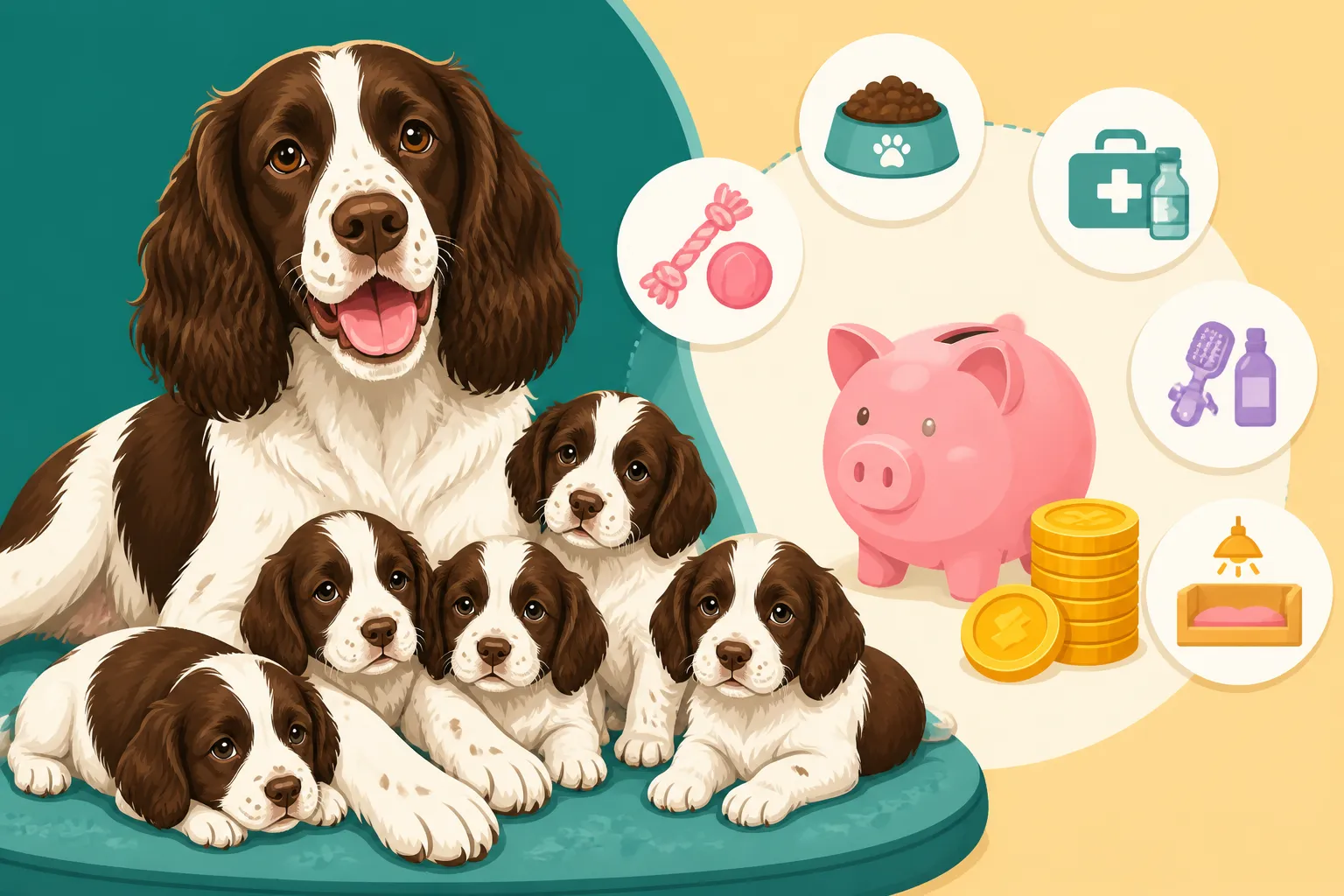
Bringing a litter of English Springer Spaniel puppies into the world is an incredibly rewarding experience, but it's also a significant financial undertaking that many prospective breeders underestimate. Beyond the heartwarming images of tiny pups, there's a mountain of expenses, from pre-breeding health screenings for the parents to veterinary care for the newborns and specialized nutrition for the nursing mother. This comprehensive guide will walk you through the various costs involved in raising a Springer Spaniel litter, helping you understand the true investment of time, effort, and money before you embark on this journey.
The Initial Investment Before the Pups Even Arrive
Before conception even enters the picture, a responsible breeder has already invested substantially in the health and genetic quality of their potential breeding dogs. This isn't just about owning a beautiful Springer Spaniel; it's about ensuring that any puppies produced have the best possible start in life, free from preventable inherited diseases.
Health Clearances for Breeding Stock
Reputable English Springer Spaniel breeders meticulously screen their dogs for a range of health conditions common in the breed. This isn't a one-time vet visit; it's a series of specialized tests that provide a clearer picture of the dog's genetic health. You'll be looking at screenings for hips and elbows through organizations like the Orthopedic Foundation for Animals (OFA) or PennHIP, which involve X-rays and specialist evaluation. These can represent a considerable expense per dog.
Beyond orthopedic health, eye examinations by a board-certified veterinary ophthalmologist are crucial. This often includes procedures like gonioscopy to check for primary glaucoma, a condition that can lead to blindness. Eye clearances need to be renewed regularly, sometimes annually, to ensure the breeding dog remains free from detectable inherited eye conditions. Then there are DNA tests for conditions like Fucosidosis and PFK Deficiency, which are prevalent in Springer Spaniels. These tests involve sending a cheek swab or blood sample to a specialized lab to determine if your dog is clear, a carrier, or affected. Each of these tests adds to the upfront cost, but they are absolutely non-negotiable for ethical breeding. Skipping these steps risks passing on debilitating diseases to innocent puppies and their future families. The DNA Test That Should Precede Every Springer Spaniel Purchase is a good resource for understanding this.
Stud Dog Fees or Upkeep
If you're using a stud dog that you don't own, there will be a stud fee. This fee can vary widely depending on the stud's pedigree, titles (such as field trial champion or show champion), and health clearances. It can range from a few hundred dollars to the equivalent of a puppy's purchase price, or even more. Sometimes, the fee might be a "pick of the litter" arrangement, meaning the stud owner gets a puppy instead of cash, but this still represents a significant value that you won't be able to sell.
If you own the stud, you still have the ongoing costs of his health clearances, high-quality food, and general veterinary care. Maintaining a healthy, fit breeding stud is an expense in itself. The decision to use an outside stud often involves shipping semen, which incurs additional costs for collection, packaging, and express delivery, or travel expenses if you're taking your female to the stud. The logistics and costs associated with artificial insemination, if chosen or required, also add to this line item.
The Costs During Pregnancy and Whelping
Once your Springer Spaniel is successfully bred, the focus shifts to ensuring a healthy pregnancy and preparing for the arrival of the puppies. This phase is intense and often involves unexpected turns, making a solid financial buffer essential.
Veterinary Care for the Dam
Confirming pregnancy is usually done via ultrasound around 25-30 days post-breeding, which is another vet visit with associated fees. Later in the pregnancy, usually around day 55-58, an X-ray is often recommended to count the number of puppies. This helps you and your vet know how many puppies to expect and whether there's a risk of a retained puppy or complications during delivery. These prenatal checks are vital for monitoring the dam's health and ensuring the developing puppies are on track.
Beyond scheduled visits, a pregnant dam may require dietary adjustments, potentially needing a higher calorie, nutrient-dense food, especially in the last trimester and during lactation. Supplements might also be recommended by your vet. While some breeders handle whelping at home, having a veterinarian on standby is crucial, as complications can arise quickly. A difficult labor (dystocia) could necessitate an emergency C-section, which is a major surgical procedure with substantial costs, often occurring outside of regular clinic hours, making it even more expensive. What a Springer Spaniel's Vet Bills Look Like can give you a general idea of vet costs.
Whelping Supplies and Environment Setup
Creating a safe, clean, and warm environment for the dam and her newborns is paramount. A whelping box, designed to keep puppies safely contained while allowing the mother to move in and out, is a necessity. You can purchase these or build one, but either way, there are costs involved for materials or the pre-made unit. Inside, you'll need plenty of clean bedding—old towels, blankets, or specialized whelping pads that can be frequently changed and laundered. This means increased laundry detergent, water, and electricity bills.
Other crucial supplies include a heat lamp or warming pad to keep the newborn puppies at a stable temperature, as they cannot regulate their own body heat. A scale for daily puppy weight checks, iodine for umbilical cord care, blunt-nosed scissors, and plenty of sterile gloves are all part of the basic kit. You'll also want puppy milk replacer and bottles or feeding tubes on hand for emergencies, even if you hope the mother will do all the nursing. Sometimes, a puppy struggles to latch, or the mother may not produce enough milk. Being prepared is key. Brands like Chewy offer a wide array of whelping supplies and puppy milk replacers that can be delivered directly to your door.
Potential Whelping Complications
Even with the best planning, whelping can be unpredictable. A difficult birth can mean a trip to the emergency vet, potentially leading to a C-section. This is not only stressful but can be one of the most significant unexpected costs of breeding. Retained placentas, uterine inertia, or even a sudden drop in the dam's calcium levels (eclampsia) are all possibilities that require immediate veterinary intervention.
Post-whelping, the dam might develop mastitis (an infection of the mammary glands), or metritis (a uterine infection). These conditions require prompt veterinary diagnosis and treatment, often involving antibiotics, pain relief, and possibly even hospitalization. The cost of these complications can easily escalate into several thousand dollars, underscoring the importance of having emergency funds or robust pet insurance coverage for your breeding dam, which a company like Healthy Paws might offer.
From Birth to Eight Weeks: Puppyhood Expenses
The first eight weeks are a whirlwind of growth, development, and constant care for the puppies. During this crucial period, numerous expenses pile up as you nurture them from tiny, helpless newborns into active, curious Springer Spaniel pups ready for their new homes.
Puppy Health Checks and Vaccinations
Each puppy will need multiple vet visits during these weeks. The first check-up usually happens within a few days of birth to ensure they are healthy, strong, and free from congenital issues. After that, they typically receive their first round of vaccinations around 6-8 weeks of age. This initial vaccination protects against common diseases like distemper, adenovirus, parvovirus, and parainfluenza. Some vets may also recommend a kennel cough vaccine at this stage.
Along with vaccinations, puppies need a regular deworming schedule, often starting at two weeks and repeated every two weeks until they go home. Parasites are common in puppies, and consistent treatment is vital for their health and for preventing transmission to other animals or humans. Microchipping is another expense, often done before puppies leave, providing permanent identification that is legally required in some areas and highly recommended everywhere. Each of these services per puppy adds up quickly, especially in a large litter. The First Year With a Springer Spaniel Puppy covers some of these early costs in more detail.
Quality Puppy Food and Supplements
The dam herself will require a significant increase in calorie intake to support milk production for her growing litter. High-quality puppy food, or even a specialized lactation formula, is essential for her health and the puppies' development. This can mean purchasing large quantities of premium kibble or even considering fresh food options if that's part of your chosen feeding regimen. Brands like Ollie offer fresh, human-grade food that could be considered for the dam or later for the weaning puppies, though it represents a higher-end feeding choice.
Once the puppies begin to wean, typically around 3-4 weeks, they will start consuming solid food. This requires a transition from gruel made with puppy milk replacer and kibble, gradually moving to moistened kibble. Feeding a litter of lively Springer Spaniel pups, especially as they grow larger and more active, requires a considerable amount of high-quality puppy food. You'll need to budget for several bags of premium puppy formula. Even after weaning, you'll want to send each puppy home with a small supply of the food they're accustomed to, to ease their transition. How Many Puppies a Springer Spaniel Litter Holds directly impacts this cost.
Socialization and Enrichment
While not a direct monetary cost in the same way as vet bills, the time and effort invested in early socialization and enrichment are invaluable. However, there are still some associated expenses. Providing a variety of safe, stimulating toys for the puppies helps with their development and prevents boredom. These can include soft chew toys, crinkle toys, and interactive puzzle feeders as they get a little older.
Exposure to different sounds, textures, and experiences is critical. This might mean purchasing a puppy playpen, small tunnels, or different surfaces for them to explore. Trips in the car, brief introductions to friendly, vaccinated adult dogs, and meeting a variety of people (all under strict supervision and safety protocols) contribute to well-adjusted Springer Spaniel puppies. While you won't get a bill for "socialization," the props and supplies needed to create these enriching environments do add up.
Beyond the Basics: Unexpected Costs and Time Investment
Raising a litter is rarely a perfectly smooth process. There are always potential curveballs, whether they're health-related or simply the sheer logistical challenge of caring for a rambunctious family of Springer Spaniel puppies.
Emergency Care for Sick or Injured Puppies
Despite all precautions, sometimes individual puppies fall ill or get injured. A sudden bout of diarrhea, a respiratory infection, or a minor injury during play can mean an immediate, potentially expensive, trip to the vet. Neonatal puppies are particularly fragile, and their health can deteriorate rapidly. Conditions like fading puppy syndrome, hypoglycemia, or parvo can require intensive veterinary care, including hospitalization, intravenous fluids, and specialized medications.
Having a dedicated isolation area and strict hygiene protocols is important, but even then, illnesses can spread quickly through a litter. Treating one sick puppy can be costly, but if multiple puppies in a litter become ill, the veterinary bills can quickly skyrocket into the realm of thousands of dollars. This is where pet insurance for the dam (and potentially the puppies, if they stay past the typical 8-week mark) can be incredibly helpful, though most policies have waiting periods or might not cover pre-existing conditions if puppies are insured very young. What an Emergency Vet Visit Costs for a Springer Spaniel puts these potential costs into perspective.
Advertising, Screening, and Contracts
Finding responsible, loving homes for each of your Springer Spaniel puppies is a full-time job in itself. This often involves advertising, whether through breed clubs, online platforms, or your personal network. While some methods are free, others, like listing on breed-specific websites, might incur small fees. More significantly, the time invested in screening potential buyers is enormous. This involves extensive conversations, interviews, checking references, and educating prospective owners about the unique needs of a Springer Spaniel.
Drafting and implementing thorough puppy contracts is also a crucial step to protect both the puppies and your reputation as a breeder. These contracts outline health guarantees, return policies, and expectations for the puppy's care. While you can find templates online, having a legal professional review or draft a robust contract can be a wise, albeit upfront, expense. The goal here is to ensure your beloved puppies go to homes where they will thrive, and that takes considerable effort and a small financial outlay. Whether an Untested Springer Spaniel Litter Is Worth Buying touches upon the importance of responsible breeding practices and transparency.
Time, Energy, and Emotional Investment
This is perhaps the biggest "cost" of all, and one that simply cannot be quantified in dollars and cents. Raising a Springer Spaniel litter is an immense commitment of time and energy. From round-the-clock monitoring during whelping, to frequent feedings, constant cleaning of the whelping box, and dedicated socialization efforts, it's a 24/7 job for several weeks. New puppy owners often marvel at how much work one puppy is; imagine multiplying that by six, eight, or even ten!
There are sleepless nights, endless laundry, and the emotional toll of dealing with potential health issues or difficult buyer interactions. You become deeply attached to these little beings you've nurtured from birth, and saying goodbye, even to wonderful homes, can be bittersweet. The emotional investment is profound, and it's something every prospective breeder must be truly prepared for. This deep personal commitment is part of The Full Cost of Thirteen Years With a Springer Spaniel when you consider the dam's journey through life, including her breeding years.
A Look at Typical Litter Expenses
To give you a clearer picture, here's a table summarizing some of the common costs involved. Remember, these are general categories, and specific amounts will fluctuate widely based on your location, veterinarian's fees, the size of your litter, and any complications.
| Expense Category | Typical Items Included | Shape of Cost (Per Litter) |
|---|---|---|
| Pre-Breeding Health | Hip/Elbow X-rays, Eye Exams, DNA Tests (Fucosidosis, PFK) | Can run into many hundreds to over a thousand dollars per breeding dog, with some tests needing annual renewal. |
| Stud Fees/Breeding | Stud fee, Artificial Insemination (AI) costs, shipping semen | Highly variable, from several hundred dollars to well over a thousand, depending on the stud's pedigree and method of breeding. |
| Dam's Prenatal/Whelping Vet | Pregnancy confirmation (ultrasound), puppy count (X-ray), emergency vet care, C-section | Standard visits can be a few hundred dollars. Emergency C-section can easily be several thousand dollars, especially after hours. |
| Whelping Supplies | Whelping box, bedding, heat lamp, scale, milk replacer, cleaning supplies | A few hundred dollars initially for setup, plus ongoing costs for laundry and replacements. |
| Dam's Food (Pregnancy/Lactation) | High-quality, nutrient-dense kibble or fresh food | Significant increase in food consumption, potentially hundreds of dollars over the course of pregnancy and lactation, especially for a large litter. |
| Puppy Vet Care (0-8 weeks) | Multiple health checks, first vaccinations, multiple dewormings, microchipping | Cost per puppy for initial vet visit, then several hundred dollars per puppy for vaccines, deworming, and microchip. Multiplied by litter size, this adds up to well over a thousand dollars for a typical litter. |
| Puppy Food (Weaning) | High-quality puppy kibble/gruel for weaning | Moderate cost, a few hundred dollars, as puppies start to eat solid food in quantity. |
| Puppy Socialization/Enrichment | Toys, playpen, varied surfaces, cleaning products | A smaller, but still noticeable, expense of a few hundred dollars for enrichment items and increased cleaning. |
| Unexpected Vet Emergencies | Treatment for sick/injured puppies, dam complications | Highly variable, can range from a few hundred for minor issues to several thousand dollars for severe illness or emergencies impacting multiple puppies. |
| Time and Emotional Labor | Round-the-clock care, cleaning, socialization, buyer screening | Priceless and invaluable. This is the biggest non-monetary investment. |
Raising a litter of English Springer Spaniel puppies is a commitment that requires thorough preparation, both in terms of knowledge and finances. By understanding the breadth of expenses involved, you can approach this journey with realistic expectations and ensure the best possible care for your beloved dam and her precious offspring.
Disclaimer
This article is for general informational purposes only and does not constitute professional advice. Laws, prices and regulations vary by location and change over time. Consult a qualified professional for guidance on your specific situation.