Whether a Springer Spaniel Gets Epilepsy
It’s a terrifying moment, isn't it? One minute your beloved English Springer Spaniel is bounding around, full of life, and the next they're on the floor, convulsing, drooling, perhaps even losing control of their bladder. As a Springer owner, the thought of your energetic, happy companion experiencing something like that is deeply unsettling, and it's natural to wonder if epilepsy is something this wonderful breed is particularly prone to. Let’s dive deep into understanding epilepsy in Springer Spaniels, from recognizing the signs to managing life with a seizing dog.
Understanding Epilepsy in English Springer Spaniels
When we talk about epilepsy, we're essentially referring to a neurological disorder characterized by recurrent, unprovoked seizures. It’s not just a single event, but a pattern of them. For English Springer Spaniels, this condition is indeed a concern, and it's something that thoughtful owners and breeders keep in mind.
What Exactly Is Epilepsy and How Does It Affect Springers?
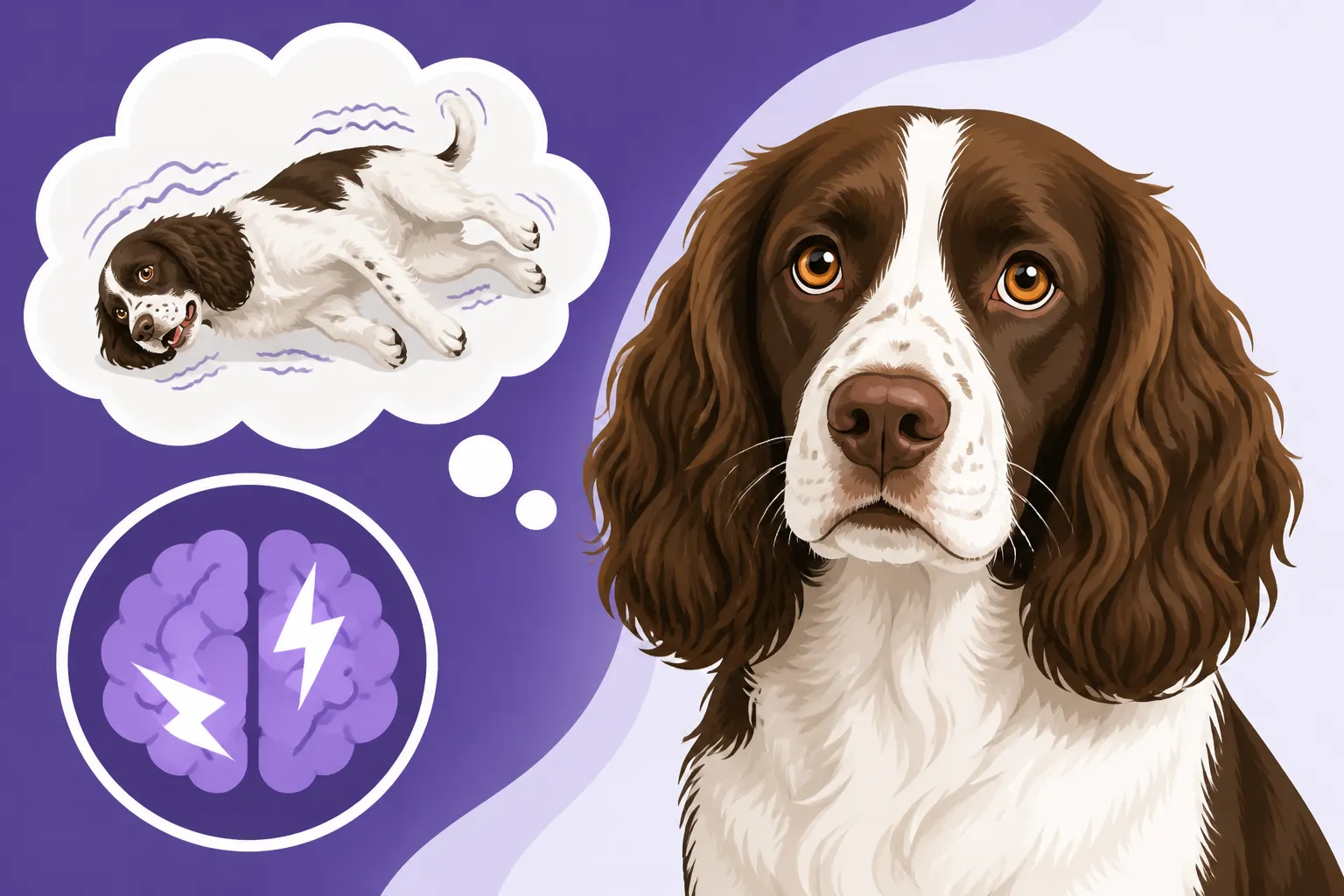
At its core, a seizure is a temporary disturbance of brain function caused by abnormal electrical activity in the brain. Think of it like a short circuit. Instead of the brain cells firing in a controlled, organized manner, they suddenly all fire at once, overwhelming the system. This can manifest in various ways, from subtle twitching to dramatic, full-body convulsions.
For our Springers, epilepsy often falls into a category called idiopathic epilepsy, which essentially means "of unknown cause." It's diagnosed when no underlying brain disease or metabolic issue can be found to explain the seizures. This type of epilepsy is often suspected to have a genetic basis, meaning it can be inherited. While specific genes for epilepsy in English Springer Spaniels haven't been definitively isolated and a DNA test like The DNA Test That Finds Fucosidosis in a Springer Spaniel isn't available for epilepsy, the breed is recognized among those with a higher prevalence of idiopathic epilepsy, alongside breeds like Beagles, Labrador Retrievers, and Golden Retrievers. This means if you have a Springer, especially one from lines where epilepsy has appeared, you should be particularly vigilant.
Primary vs. Secondary Seizures: A Crucial Distinction
It’s vital to understand that not all seizures mean epilepsy. Sometimes, a seizure can be a symptom of another underlying health issue, which we call a "secondary" or "symptomatic" seizure.
- Primary (Idiopathic) Epilepsy: This is the most common form in Springer Spaniels. As mentioned, it means there's no identifiable cause for the seizures beyond a suspected genetic predisposition. These dogs typically have normal neurological examinations between seizure episodes. The seizures usually begin in young to middle-aged dogs, often between 1 to 5 years of age, though it can vary. Understanding this distinction is key to getting the right diagnosis and treatment plan for your dog.
- Secondary (Symptomatic) Seizures: These seizures are a symptom of another problem affecting the brain or body. Causes can be diverse:
- Structural brain problems: Tumors (like gliomas or meningiomas), head trauma, strokes, brain inflammation (encephalitis), or hydrocephalus. These conditions directly affect brain tissue.
- Metabolic issues: Low blood sugar (hypoglycemia), severe liver disease (hepatic encephalopathy), kidney failure, electrolyte imbalances, or even severe thyroid dysfunction. For instance, Whether a Springer Spaniel Gets Hypothyroidism can sometimes present with neurological signs, though seizures are less common than other symptoms. These conditions impact the brain's environment and can trigger seizures.
- Toxins: Ingesting certain poisons like antifreeze, lead, slug bait (metaldehyde), or even some human medications can cause acute seizures. Our adventurous Springers, with their keen noses, are certainly prone to sniffing out interesting (and sometimes dangerous) things!
The job of your veterinarian is to meticulously rule out all these secondary causes before arriving at a diagnosis of idiopathic epilepsy. This often involves a comprehensive battery of tests.
Recognizing the Signs of a Seizure in Your Springer
Witnessing your Springer Spaniel have a seizure for the first time is often terrifying and can feel like an eternity. But understanding what a seizure looks like and the different phases can help you respond more effectively and provide valuable information to your vet.
The Phases of a Seizure: Before, During, and After
Seizures typically occur in three distinct phases:
- The Pre-Ictal Phase (Aura): This is the period before the actual seizure. It can last minutes, hours, or even days, though it's often subtle and might be missed. Your Springer might exhibit behavioral changes, like becoming unusually restless, anxious, clingy, or disoriented. Some dogs seek out their owners for comfort, while others try to hide. They might whine, pace, or seem dazed. If you notice these subtle shifts, it's a good time to keep a close eye on your dog. This phase is important because it can give you a heads-up and allow you to move your dog to a safe, comfortable spot.
- The Ictal Phase (The Seizure Itself): This is what most people think of as the seizure. It's the period of abnormal electrical activity in the brain.
- Generalized Tonic-Clonic Seizures (Grand Mal): This is the most dramatic and common type. Your Springer will typically lose consciousness, collapse, and go rigid (tonic phase) for a few seconds, then begin to paddle uncontrollably with all four limbs (clonic phase). They may drool excessively, chew at the air, vocalize, and often lose bladder and bowel control. Their eyes might be fixed or darting. These seizures usually last from a few seconds to a few minutes. If it lasts longer than 5 minutes, or if multiple seizures occur without full recovery in between, it's considered an emergency (status epilepticus or cluster seizures). This is when What an Emergency Vet Visit Costs for a Springer Spaniel becomes a very real concern.
- Focal (Partial) Seizures: These are less common but can be tricky to recognize. They involve abnormal electrical activity in only a specific part of the brain. The signs depend on which part of the brain is affected. Your Springer might show localized twitching (e.g., just a leg or one side of the face), fly-biting (snapping at imaginary flies), jaw chomping, excessive licking, or unusual behaviors like staring blankly, growling at nothing, or sudden bursts of frantic activity. These can sometimes be confused with other neurological issues, or even with behavioral problems like Rage Syndrome in an English Springer Spaniel, making careful observation paramount.
- The Post-Ictal Phase: This is the recovery period after the seizure, and it can be just as disorienting for your Springer as the seizure itself. Dogs often appear confused, disoriented, or even temporarily blind. They might pace endlessly, bump into furniture, seem very hungry or thirsty, or simply appear exhausted. Some dogs are restless and agitated, while others are lethargic. This phase can last from a few minutes to several hours, or even a day in severe cases. Your Springer is not fully "back to normal" during this time, so it's important to keep them safe, comfortable, and away from stairs or other hazards.
What to Do During a Seizure
Staying calm is the most important thing you can do for your Springer. Here’s a quick guide:
| Phase | What Your Springer May Exhibit | What You Should Do |
|---|---|---|
| Pre-Ictal | Restlessness, anxiety, seeking attention, hiding, staring. | Gently move your dog to a safe, open area away from stairs, sharp objects, or furniture they could bump into. Turn off loud noises or bright lights. Avoid putting your hand near their mouth. |
| Ictal | Collapse, rigid limbs, paddling, drooling, vocalizing, loss of bladder/bowel control, jaw chomping. | DO NOT try to restrain them or put anything in their mouth (they cannot swallow their tongue). Clear the area around them. Keep other pets and children away. Time the seizure with a clock or phone – duration is crucial information for your vet. Take a video if possible (from a safe distance). |
| Post-Ictal | Confusion, disorientation, temporary blindness, pacing, extreme hunger/thirst, lethargy. | Speak calmly and reassuringly. Offer water once they seem able to drink. Guide them carefully if they are disoriented. Keep them warm and quiet. Allow them to rest. Contact your vet as soon as possible, especially if it's their first seizure, or if it lasts more than 5 minutes, or if they have multiple seizures in a short period. |
Remember, your Springer doesn't feel pain during a seizure, though they might feel confusion and fear during the pre- and post-ictal phases. Your calm presence is the best comfort.
Diagnosing Epilepsy: The Journey with Your Vet
Getting a diagnosis for epilepsy in your Springer Spaniel is often a process of elimination. Since idiopathic epilepsy is diagnosed by ruling out other causes, your veterinarian will embark on a thorough investigative journey.
The Diagnostic Workup: Ruling Out Other Causes
When you bring your seizing Springer to the vet, the first step will be a detailed history. This is where your observations from the previous section become invaluable. Your vet will want to know:
- When did the seizure occur?
- How long did it last?
- What did it look like (what movements, sounds, etc.)?
- Were there any preceding symptoms?
- How did your dog behave afterward?
- Has your dog had contact with any toxins?
- What is your dog's vaccination history and diet?
- Are there any other health concerns?
If you managed to get a video of the seizure, bring it! It helps your vet immensely to actually see what's happening, as it can look very different from an owner's frantic description.
Next, a comprehensive physical examination will be performed, including a neurological exam to check reflexes, coordination, and mental status. Then comes the series of tests designed to exclude secondary causes:
- Blood Work: This typically includes a complete blood count (CBC) and a biochemistry panel. These tests check for signs of infection, inflammation, anemia, and crucially, the function of organs like the liver and kidneys. They also look for electrolyte imbalances, low blood sugar (hypoglycemia), and can assess for things like an underlying Whether a Springer Spaniel Gets Hypothyroidism, which, while not a direct cause of seizures, can sometimes contribute to neurological signs or overall poor health.
- Urinalysis: A urine sample can provide further clues about kidney function and overall health.
- Bile Acid Stimulation Test: If liver disease is suspected, this specialized blood test helps assess liver function, as severe liver issues can lead to toxins building up in the bloodstream and affecting the brain.
If all these initial tests come back normal, and especially if your Springer is between 1-5 years old, your vet might lean towards a presumptive diagnosis of idiopathic epilepsy. However, for a definitive diagnosis and to rule out structural brain diseases, further advanced diagnostics are often recommended.
Advanced Diagnostics: MRI and CSF Analysis
For the most thorough investigation, particularly if your dog is outside the typical age range for idiopathic epilepsy, or if the seizures are worsening rapidly, your vet might recommend:
- Magnetic Resonance Imaging (MRI) of the Brain: This is the gold standard for visualizing the brain. An MRI can detect brain tumors, inflammation, stroke, hydrocephalus, or other structural abnormalities that might be causing seizures. It requires general anesthesia, which is a consideration for any dog, especially one having seizures.
- Cerebrospinal Fluid (CSF) Analysis: This involves collecting a sample of fluid that surrounds the brain and spinal cord, also under general anesthesia. The CSF is then analyzed for signs of inflammation, infection, or abnormal cells.
These advanced tests are often performed at a veterinary neurology specialist clinic. They can be costly, and this is where having pet insurance, such as a plan from Healthy Paws, can be incredibly beneficial. Knowing that the financial burden might be eased can help you make the best diagnostic decisions for your beloved Springer. The results from these tests will either confirm a structural cause (meaning secondary seizures) or, if normal, strengthen the diagnosis of idiopathic epilepsy.
Managing Epilepsy: Treatment and Living with a Seizing Dog
Once a diagnosis of idiopathic epilepsy is made, the focus shifts to managing the condition. The goal of treatment isn't necessarily to eliminate all seizures, which can be an unrealistic expectation, but to reduce their frequency, severity, and duration, thereby improving your Springer's quality of life.
Anti-Epileptic Drugs (AEDs) and Finding the Right Balance
Managing epilepsy typically involves medication, specifically anti-epileptic drugs (AEDs). There are several options available, and your vet will work with you to find the most suitable one (or combination) for your Springer.
- Phenobarbital: This is a long-standing, effective, and relatively inexpensive AED. It's often a first-line choice. However, it can have side effects like sedation, increased thirst, increased appetite, and potential liver issues with long-term use, requiring regular blood monitoring.
- Potassium Bromide: Another common AED, often used in conjunction with phenobarbital or as an alternative if phenobarbital isn't tolerated. It also has a long half-life, meaning it takes a while to build up to effective levels in the body, and can cause similar side effects to phenobarbital.
- Levetiracetam (Keppra): This drug is often favored for its relatively few side effects and rapid onset of action. It's often used in emergency situations for cluster seizures or status epilepticus, or as an add-on therapy. It typically requires more frequent dosing.
- Zonisamide: Similar to levetiracetam, it's generally well-tolerated and can be used alone or in combination with other AEDs.
- Gabapentin: Often used as an add-on therapy, particularly for dogs with pain in addition to seizures, or for managing anxiety during the pre-ictal phase.
Finding the right medication and dosage is a process of titration, meaning your vet will start with a certain dose and adjust it based on your dog's response and any side effects. Regular blood tests will be necessary to monitor drug levels and check for any adverse effects on internal organs. It's a commitment, and it's something you'll be managing for The Twelve to Fourteen Years a Springer Spaniel Lives, or however long your Springer is with you. Consistent medication administration is absolutely crucial – missing doses can lead to breakthrough seizures.
Lifestyle Adjustments and Emergency Preparedness
Beyond medication, several lifestyle considerations can help manage your Springer's epilepsy:
- Consistency is Key: A stable routine with consistent feeding times, exercise, and sleep can help some dogs. Sudden changes in routine, stress, or excitement can sometimes trigger seizures in susceptible individuals.
- Avoid Triggers: While specific triggers aren't always clear, some owners find certain situations or foods exacerbate seizures. Keep a seizure log to track potential correlations.
- Safe Environment: Ensure your home is safe, especially during the post-ictal phase when your Springer might be disoriented. Block off stairs, remove sharp objects, and keep them away from busy areas.
- Emergency Medication: Your vet might prescribe emergency medication, such as rectal diazepam or intranasal midazolam, to be administered at home if your Springer has a prolonged seizure or cluster seizures. Knowing how and when to use these can be life-saving. Having a plan for these emergencies will alleviate some of the stress when you're faced with What an Emergency Vet Visit Costs for a Springer Spaniel.
- Diet: While there's no magic diet to cure epilepsy, some studies suggest that a diet rich in medium-chain triglycerides (MCTs) can have neuroprotective benefits and may help reduce seizure frequency in some dogs. Discuss this with your vet.
Living with a dog with epilepsy is a journey that requires patience, dedication, and a strong partnership with your veterinary team. It can be emotionally taxing, watching your beloved companion go through these episodes. However, with proper management, many Springer Spaniels with epilepsy can still lead full, happy lives. Regular check-ups are vital, especially as Caring for a Springer Spaniel Past Nine might bring new health challenges or changes in seizure patterns. Pet insurance providers, such as Healthy Paws, can also provide ongoing support for chronic conditions, helping manage the long-term financial aspects of treatment.
Prognosis and Quality of Life
The thought of your Springer Spaniel living with a chronic condition like epilepsy can be daunting, but it's important to remember that a diagnosis is not a death sentence. With diligent care and the right treatment plan, many dogs with epilepsy can lead fulfilling lives.
What to Expect Long-Term
The prognosis for dogs with idiopathic epilepsy varies. Some dogs respond very well to medication and have very few seizures, achieving excellent control. Others may be more challenging to manage, experiencing "breakthrough" seizures even on medication, or requiring a combination of several AEDs. The goal is always to achieve the best possible quality of life, which means reducing seizure frequency and severity to a level that is manageable for both the dog and the owner.
It's common for dogs on AEDs to have some side effects, such as mild sedation or increased thirst and hunger, especially when first starting medication or during dose adjustments. Your vet will work to minimize these side effects while maximizing seizure control. Open communication with your vet about both seizure activity and any observed side effects is crucial. Regular blood tests, often every 6-12 months, will be needed to monitor liver and kidney health and ensure drug levels are within the therapeutic range.
Supporting Your Springer's Well-being
Beyond medication, providing a loving, stable environment is paramount. Springers are sensitive dogs, and they thrive on routine and connection. While the immediate aftermath of a seizure can be distressing, remember that your dog relies on your calm reassurance.
Consider tracking your dog's seizures in a journal or an app. Note the date, time, duration, type of seizure, and any potential triggers or post-ictal behaviors. This detailed record is invaluable for your veterinarian in assessing the effectiveness of treatment and making adjustments. It can also help you recognize patterns over time.
While epilepsy is a serious condition, with proper veterinary care and your unwavering commitment, your Springer Spaniel can continue to be the joyous, energetic companion you know and love. The journey may have its challenges, and What a Springer Spaniel's Vet Bills Look Like can be substantial, but the bond you share is worth every effort.
Disclaimer
This article is intended for informational purposes only and does not constitute veterinary advice. Always consult with a qualified veterinarian for any health concerns or before making any decisions about your pet's medical care.