Whether Heat Triggers a Springer Spaniel’s PFK Episode
It’s truly alarming when your vibrant English Springer Spaniel suddenly collapses or shows signs of distress, especially on a warm day. You start to question everything, wondering if the heat is making a pre-existing condition worse, or if you're missing something critical. For owners whose Springers carry the PFK deficiency gene, this isn't just a worry; it's a very real concern about whether those hot days or even just an exciting afternoon in the sun can trigger a dangerous episode. This guide will walk you through exactly how heat interacts with PFK deficiency and what you can do to protect your beloved companion.
Understanding PFK Deficiency in Springer Spaniels
Living with a Springer Spaniel affected by Phosphofructokinase (PFK) deficiency is a unique challenge, and it's understandable why you'd want to grasp every facet of this condition. It's not just a fancy name; it’s a genetic metabolic disorder that directly impacts your dog's ability to produce energy, particularly in their red blood cells and muscle cells. Essentially, PFK is an enzyme crucial for converting glucose (sugar) into usable energy. When a dog is deficient in this enzyme, their cells struggle to perform this vital function, leading to a cascade of problems.
Imagine your dog's body as a finely tuned engine. PFK is like a key component in the fuel line. Without enough of it, the engine sputters and stalls, especially under demand. This deficiency is inherited, meaning it's passed down from parents to offspring, so it’s something your Springer is born with. It's a frustrating situation because, on the surface, your dog might seem perfectly healthy until a trigger event pushes their system past its limits.
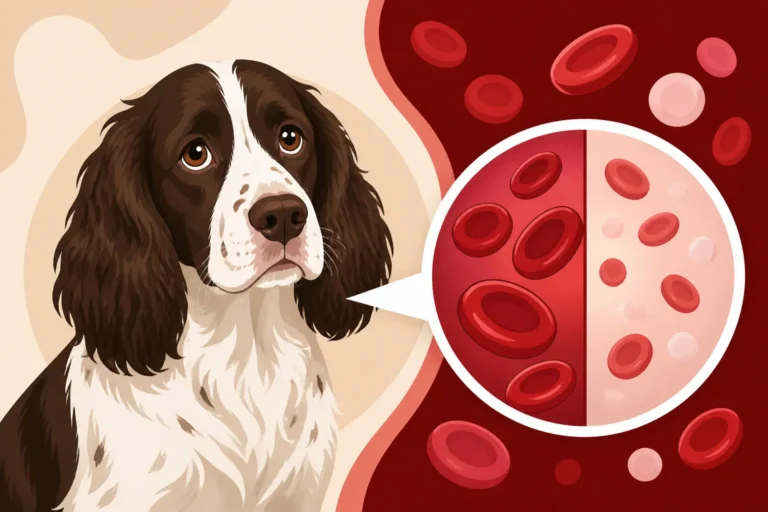
When a Springer Spaniel experiences a PFK episode, the signs can be quite alarming. You might notice them becoming weak or lethargic, perhaps even collapsing during or after exercise. Their muscles might appear stiff, and they could seem disoriented or distressed. One of the most telling, though often missed, symptoms is dark brown or reddish urine, which is a result of damaged red blood cells breaking down and releasing hemoglobin. This can be particularly frightening if you're not aware of the connection to PFK deficiency. If you've ever wondered What PFK Deficiency Does to a Springer Spaniel, it's a profound disruption to their energy system, especially when their body is under stress.
The Crucial Link Between Heat and PFK Episodes
Now, let's get right to the heart of the matter: does heat trigger a PFK episode in a Springer Spaniel? The answer is a resounding yes, absolutely. Heat is one of the most significant and well-documented triggers for PFK deficiency symptoms, and understanding why is key to keeping your dog safe. When your Springer Spaniel gets hot, whether it's from intense exercise on a warm day, being in a stuffy car, or even just high excitement in the sun, their body's metabolic demands increase dramatically.
Think about it: when a dog exercises in the heat, their body works harder to cool down. This process requires energy. For a dog with normal PFK levels, their system can usually keep up. However, for a Springer Spaniel with PFK deficiency, that increased demand for energy quickly outstrips their cells' ability to produce it. Their red blood cells become fragile and break down more easily under this metabolic stress, and their muscle cells can't sustain the effort. This leads to the sudden weakness, collapse, and the characteristic dark urine that signals an episode. It's a vicious cycle where heat stress, combined with physical exertion, pushes their already compromised system to a breaking point.
This susceptibility is why What Triggers a PFK Episode in a Springer Spaniel is such a critical question for owners. It's not just about direct sunlight; it's about ambient temperature, humidity, and the intensity of activity. A short walk that would be fine on a cool morning can become hazardous on a warm afternoon. Field-bred Springer Spaniels, with their higher drive and often relentless work ethic, are particularly at risk because their instinct is to push through discomfort, which can quickly lead to overheating and exhaustion when combined with PFK deficiency. Even an exciting game of fetch can turn dangerous if played during the warmer parts of the day.
Preventing Heat-Triggered PFK Episodes
Preventing a heat-triggered PFK episode is paramount for any Springer Spaniel with this condition, and it demands a proactive approach. It's not enough to just be aware; you need concrete strategies. First and foremost, exercise timing is crucial. Avoid walks, training sessions, or vigorous play during the hottest parts of the day, typically late morning to late afternoon. Opt for early mornings or late evenings when temperatures are cooler. Even on seemingly mild days, remember that a dog's body temperature can rise quickly, especially with the thick coat of a Springer.
Environmental control indoors is also vital. Ensure your Springer has access to cool, shaded areas, both inside and outside. If you live in a hot climate, air conditioning is not a luxury; it's a necessity for an affected dog. Cooling vests or bandanas, which use evaporative cooling, can be incredibly helpful when you must be outside, even for short periods. Always carry plenty of fresh, cool water, and encourage frequent hydration. Consider adding ice cubes to their water bowl or offering frozen treats.
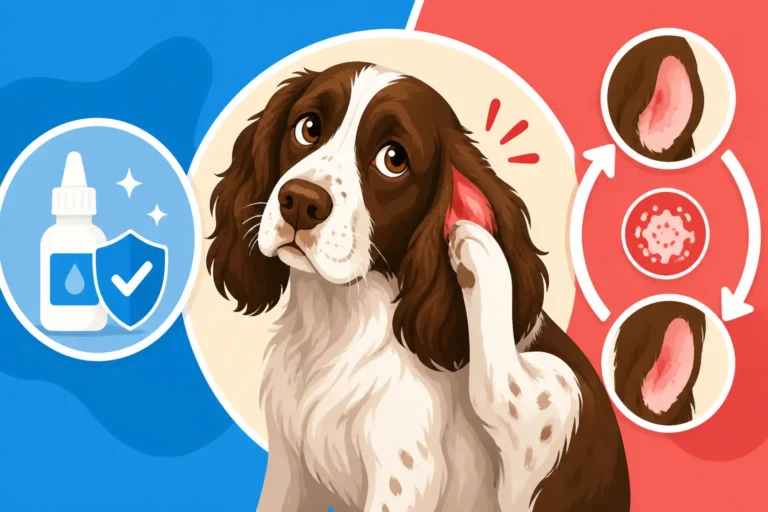
Monitoring your dog closely for early signs of overheating or fatigue is a constant job. Look for excessive panting, lethargy, stumbling, or a change in gum color. If you notice any of these, stop activity immediately, get your dog into a cool environment, and offer water. Don't push them, even if they seem eager to continue. Remember, their drive can sometimes override their body's signals of distress. Managing a Springer Spaniel With PFK Deficiency really boils down to being vigilant and adjusting your lifestyle to their needs.
Here's a quick overview of common triggers and proactive steps:
| Trigger Category | Specific Examples | Prevention Strategy |
|---|---|---|
| Environmental Heat | High ambient temperatures, direct sun exposure | Exercise during cool hours (early morning, late evening) |
| Hot pavements, unventilated spaces | Walk on grass/dirt, ensure shaded/air-conditioned rest | |
| Physical Exertion | Intense fetch, long runs, hunting | Short, low-intensity play, frequent rest breaks |
| Sudden bursts of energy, sustained activity | Avoid over-excitement, break up activities into short bursts | |
| Excitement/Stress | Dog parks, new environments, vigorous greetings | Introduce new situations calmly, manage greetings |
| Dehydration | Lack of water access, long periods without drinking | Provide constant access to fresh water, offer frequently |
Emergency Response and Long-Term Care
Despite your best efforts, sometimes an episode might still occur, particularly if your Springer Spaniel is exposed to unexpected heat or overexerts themselves. Knowing what to do in an emergency is critical. If your Springer shows signs of collapse, extreme weakness, or dark urine, it's a veterinary emergency. Get them to the nearest emergency vet immediately. While en route, try to cool them down safely – use cool, wet towels on their body, especially their belly, armpits, and groin, and offer small amounts of water if they can drink. Avoid ice baths, as this can cause shock.
At the veterinary clinic, your dog will likely receive supportive care, which may include intravenous fluids to combat dehydration and flush their system, and monitoring for anemia, which is common after a PFK episode due to red blood cell breakdown. In severe cases, a blood transfusion might be necessary if your Springer Spaniel Becomes Anemic. Your vet will also confirm the diagnosis if it hasn't been done already, often through a specific DNA test or blood work. Early intervention significantly improves the outcome, so don't hesitate.
Living with a Springer Spaniel with PFK deficiency means making lifelong adjustments. It's not just about managing individual episodes; it's about integrating preventative measures into every aspect of their life. This might mean adjusting your daily routine, choosing specific types of activities, or even modifying your home environment to ensure they remain comfortable and cool. While there's no cure for PFK deficiency, careful management allows many affected Springers to live full, happy lives. This long-term care can incur significant veterinary costs, which is where a robust pet insurance plan can be a lifesaver. Companies like Healthy Paws offer coverage that can help mitigate the financial burden of chronic conditions, ensuring you can always provide the best care without undue stress. Discuss with your veterinarian how to best manage your specific dog’s condition, taking into account their activity level, local climate, and overall health. With diligent care, a Springer Spaniel with PFK deficiency can still enjoy a good quality of life.
Disclaimer
This article is intended for informational purposes only and does not constitute veterinary advice. Always consult with a qualified veterinarian for any health concerns or before making any decisions about your pet's medical care.