Whether a Springer Spaniel Gets Autoimmune Disease
It’s a truly frightening experience to witness your lively, energetic Springer Spaniel suddenly become unwell, especially when the symptoms are vague, come and go, or escalate quickly without a clear cause. One of the most perplexing and heartbreaking diagnoses a Springer Spaniel owner can face is an autoimmune disease, where their dog's own immune system, designed to protect, mistakenly turns against its healthy tissues. This guide is here to shed light on what autoimmune diseases mean for your beloved Springer, how to recognize the signs, and what you can expect in terms of diagnosis and management.
Understanding Autoimmune Disease in Dogs
When we talk about autoimmune disease, we're delving into a complex corner of canine health that can be incredibly frustrating for pet parents. Essentially, it's a profound betrayal by the body's own defense mechanism. Instead of identifying and neutralizing external threats like bacteria, viruses, or parasites, the immune system mistakenly targets and attacks the body's healthy cells, tissues, or organs. For a breed as active and typically robust as the English Springer Spaniel, this can come as a huge shock.
What Happens When the Immune System Attacks Itself
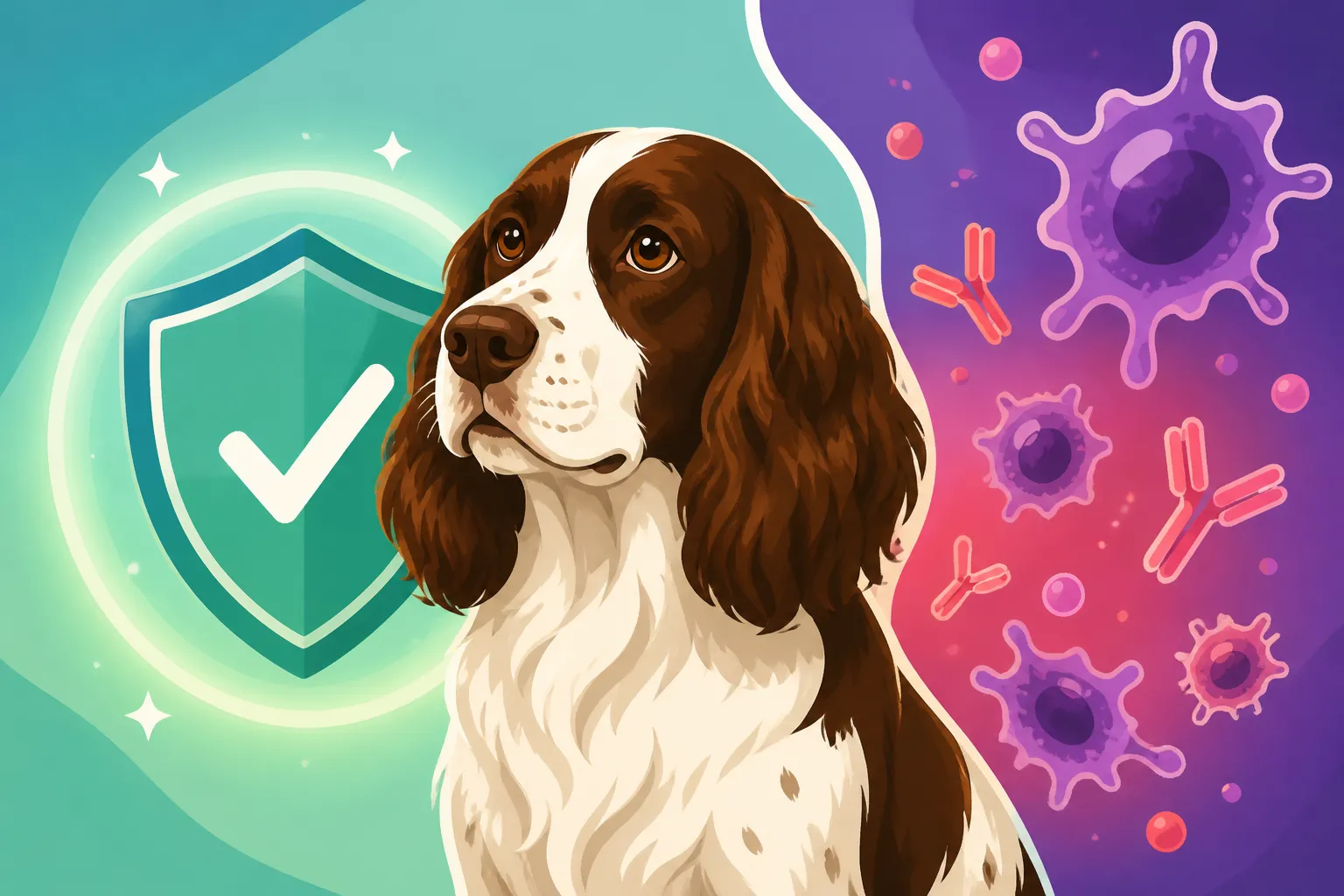
Imagine your dog's immune system as a highly trained army, with different units responsible for recognizing invaders and launching specific counter-attacks. In a healthy dog, this army works flawlessly, distinguishing between "self" (the dog's own cells) and "non-self" (foreign pathogens). With an autoimmune disease, this critical self-recognition goes awry. It's like a friendly fire incident where the immune system begins to see parts of the body—be it red blood cells, platelets, thyroid cells, or skin cells—as enemies that need to be destroyed.
This internal conflict can lead to widespread inflammation and tissue damage, manifesting in a myriad of symptoms depending on which part of the body is under attack. The chronic nature of these conditions often means ongoing management, medication, and close monitoring, which can be a huge commitment. Owners often feel helpless as they watch their dogs suffer from an invisible enemy within. It's not a simple infection that antibiotics can clear up; it's a fundamental misunderstanding within the body's own defenses.
Genetic Predispositions and Environmental Triggers
While the exact causes of autoimmune diseases are often a mystery, a combination of genetic predisposition and environmental triggers is widely suspected. Certain breeds, and unfortunately, Springer Spaniels are among them, appear to have a higher genetic likelihood of developing these conditions. This is why a thorough health history, including knowing about the parents' health, can be so crucial when you're considering a puppy. The DNA Test That Should Precede Every Springer Spaniel Purchase can sometimes shed light on these predispositions, though not all autoimmune diseases have clear genetic markers that are routinely screened for.
Environmental factors can also play a role, acting as a "spark" that ignites the autoimmune response in a genetically susceptible dog. These triggers could be anything from certain medications, vaccinations, stress, infections (bacterial or viral), or even dietary components. Pinpointing an exact trigger is often impossible, which only adds to the frustration for owners trying to understand why their beloved pet became ill. It's a complex interplay, and often, despite our best efforts, we may never know precisely what initiated the attack.
Common Autoimmune Conditions Affecting Springer Spaniels
Springer Spaniels, known for their affectionate nature and boundless energy, are unfortunately not immune to certain autoimmune conditions. Knowing what to look out for can make all the difference in early detection and management.
Immune-Mediated Hemolytic Anemia IMHA
Perhaps one of the most frightening and rapidly progressing autoimmune diseases seen in Springer Spaniels is Immune-Mediated Hemolytic Anemia, or IMHA. In IMHA, the immune system mistakenly identifies the dog's own red blood cells as foreign invaders and destroys them. These crucial cells are responsible for carrying oxygen throughout the body, so their rapid destruction leads to severe anemia. It's a dire situation that often requires emergency veterinary care.
The signs can come on suddenly and dramatically. You might notice your Springer Spaniel becoming lethargic, weak, and reluctant to move. Their gums, usually a healthy bubblegum pink, might become strikingly pale, almost white. In some cases, you might observe jaundice, a yellowish tint to the skin and whites of the eyes, as the body struggles to process the breakdown products of red blood cells. The urine might also appear dark orange or brown, resembling Coca-Cola, due to the presence of hemoglobin. If you suspect your dog has IMHA, it's a medical emergency. For a more in-depth look, consider reading our article on Whether a Springer Spaniel Gets Immune Mediated Anemia.
Immune-Mediated Thrombocytopenia IMT
Similar to IMHA but targeting different blood components, Immune-Mediated Thrombocytopenia (IMT) involves the immune system attacking and destroying platelets. Platelets are tiny cells vital for blood clotting, so a deficiency leads to serious bleeding issues. It can be a very alarming condition to witness.
Dogs with IMT often present with easy bruising (ecchymoses) or pinpoint red spots on the skin (petechiae), especially in areas with less hair like the belly or inner ear flaps. You might also notice nosebleeds, bleeding from the gums, or blood in the urine or stool. Even minor bumps or scrapes can lead to significant bleeding. Just like IMHA, this condition requires prompt veterinary attention to prevent life-threatening hemorrhage. Owners often feel a sense of dread watching for new bruises, knowing that even a playful bump could lead to serious consequences.
Hypothyroidism and Autoimmune Thyroiditis
Hypothyroidism, a condition where the thyroid gland doesn't produce enough thyroid hormone, is quite common in Springer Spaniels, and often, the underlying cause is autoimmune thyroiditis. In this scenario, the immune system gradually destroys the thyroid gland, leading to a progressive decline in hormone production. Unlike the acute onset of IMHA or IMT, hypothyroidism tends to develop slowly and insidiously.
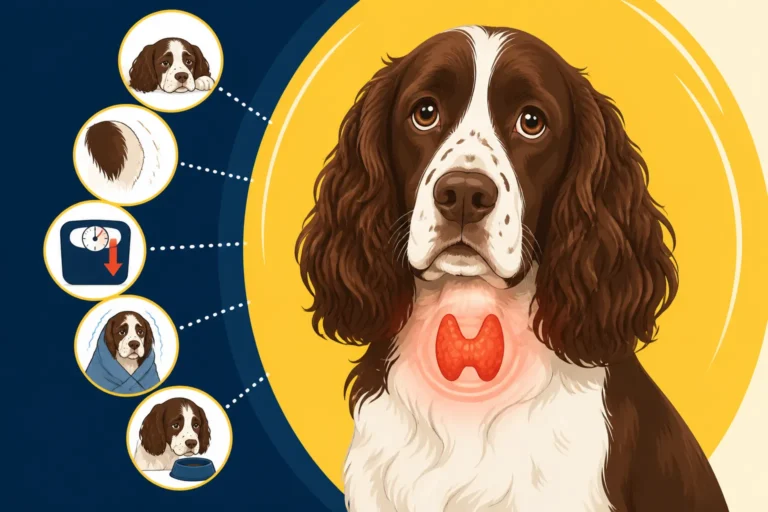
The symptoms of hypothyroidism can be subtle and easily overlooked in their early stages. You might notice your Springer becoming more lethargic, less enthusiastic about walks or play, and gaining weight despite no change in diet. Their coat might become dull, dry, and brittle, with excessive shedding or thinning hair, particularly along the flanks or tail. They might also seem more sensitive to cold. While not immediately life-threatening like IMHA, untreated hypothyroidism can significantly impact your dog's quality of life. Our article on Whether a Springer Spaniel Gets Hypothyroidism provides further detail on this common condition.
Addison's Disease Hypoadrenocorticism
Addison's disease, or hypoadrenocorticism, is another autoimmune condition where the immune system attacks and destroys the adrenal glands, small glands located near the kidneys. These glands produce vital hormones, including cortisol and aldosterone, which regulate stress response, metabolism, and electrolyte balance. Without these hormones, the body struggles to cope with everyday stressors, leading to a range of severe and often vague symptoms.
Addison's is often called "the great imitator" because its symptoms can mimic many other conditions, making it notoriously difficult to diagnose. Owners often report a waxing and waning course of illness: periods of vomiting, diarrhea, lethargy, poor appetite, and weakness that seem to come and go. In severe cases, known as an "Addisonian crisis," dogs can collapse, go into shock, and their heart rate can become dangerously slow. These crises are life-threatening emergencies. The stress of diagnosing a dog with such an elusive condition can be immense for owners. You can learn more about this specific issue in our piece, Whether a Springer Spaniel Gets Addison's Disease.
Recognizing the Signs and Symptoms
One of the biggest challenges with autoimmune diseases is that their symptoms can be incredibly varied, often mimicking other, less serious conditions. This makes early recognition and diagnosis difficult, but not impossible. As a diligent Springer Spaniel owner, being observant of subtle changes in your dog's behavior and physical condition is your best defense.
General Indicators of Autoimmune Issues
While specific autoimmune diseases have their hallmark signs, there are some general indicators that might suggest an underlying immune system dysfunction. These include:
- Lethargy and Weakness: A noticeable decrease in energy levels, reluctance to exercise, or difficulty getting up and moving. Your normally boisterous Springer might just want to lie around more.
- Loss of Appetite or Weight Loss: Your dog might show less interest in food, or you might notice a gradual decline in their body condition despite them eating regularly.
- Fever: Unexplained fevers that come and go, often without any other clear signs of infection.
- Swollen Joints or Lameness: Inflammation of the joints can lead to stiffness, pain, and limping, which might be intermittent.
- Skin and Coat Changes: This could range from dry, brittle hair, excessive shedding, or bald patches to persistent skin infections, rashes, or sores that don't heal well. Our article on Whether a Springer Spaniel Gets Skin Allergies touches on other skin-related immune issues.
- Pale Mucous Membranes: As seen with IMHA, pale gums are a critical warning sign.
- Enlarged Lymph Nodes: While less common for all autoimmune diseases, enlarged lymph nodes can indicate an overactive immune response.
- Changes in Urination or Defecation: This could include blood in urine or stool, changes in frequency, or difficulty with elimination.
It’s important to remember that these symptoms can also point to many other health problems. The key is their persistence, recurrence, or unusual severity. If you notice any of these signs, especially a combination of them, it's time to talk to your vet.
Specific Symptoms for Common Springer Spaniel Conditions
While we've touched on these briefly, let's consolidate the distinct signs for the common autoimmune conditions we discussed:
- Immune-Mediated Hemolytic Anemia (IMHA):
- Sudden, profound lethargy and weakness.
- Extremely pale gums and tongue.
- Jaundice (yellowish tint to skin, eyes, and gums).
- Dark urine (orange, brown, or red).
- Increased respiratory rate or effort (panting).
- Vomiting and diarrhea.
- Immune-Mediated Thrombocytopenia (IMT):
- Petechiae (tiny, pinpoint red spots) on the gums, belly, or inner ears.
- Ecchymoses (larger bruises) on the skin.
- Nosebleeds (epistaxis).
- Blood in urine (hematuria) or stool (melena if digested, bright red if fresh).
- Bleeding from the gums.
- Hypothyroidism (often autoimmune in origin):
- Gradual onset of lethargy, reduced activity.
- Weight gain despite normal food intake.
- Dry, brittle coat, excessive shedding, or hair loss (alopecia), often symmetrical.
- Recurrent skin or ear infections.
- Increased sensitivity to cold.
- "Tragic" facial expression due to thickening of facial skin.
- Addison's Disease (Hypoadrenocorticism):
- Intermittent or chronic vomiting and diarrhea.
- Lethargy, weakness, and loss of appetite that waxes and wanes.
- Unexplained weight loss.
- Shaking or shivering.
- Increased thirst and urination.
- Sudden collapse, especially after stress (Addisonian crisis).
Observing these specific signs and promptly reporting them to your veterinarian can significantly expedite the diagnostic process.
Diagnosing Autoimmune Disease in Your Springer
The path to diagnosing an autoimmune disease can often be a long and frustrating one, filled with multiple tests and sometimes, what feels like more questions than answers. It's truly a process of elimination, as many symptoms overlap with other conditions. However, a dedicated veterinary team will work tirelessly to get to the bottom of your Springer Spaniel's illness.
The Diagnostic Process and Necessary Tests
When your vet suspects an autoimmune condition, they will typically start with a comprehensive physical examination and a thorough history of your dog's symptoms. This initial consultation is crucial. Based on their findings, they will then recommend a series of diagnostic tests.
Common initial tests include:
- Complete Blood Count (CBC): This fundamental test checks red blood cells, white blood cells, and platelets. It's vital for diagnosing conditions like IMHA (low red blood cells) and IMT (low platelets). It can also reveal signs of inflammation or infection, which need to be ruled out.
- Biochemistry Panel: This test assesses organ function (kidneys, liver, pancreas) and electrolyte levels. It's particularly important for Addison's disease, where electrolyte imbalances (high potassium, low sodium) are characteristic, or to check for organ damage resulting from other conditions.
- Urinalysis: Examining the urine can reveal issues like infection, kidney problems, or the presence of blood, which could be linked to IMT or other diseases.
More specific tests for autoimmune conditions may include:
- Coombs' Test: This test specifically looks for antibodies attached to red blood cells, which is the definitive diagnostic tool for IMHA. A positive Coombs' test confirms that the immune system is indeed attacking the red blood cells.
- Thyroid Panel: For suspected hypothyroidism, a full thyroid panel, including T4, free T4 by equilibrium dialysis, and TSH, is performed. The presence of antithyroid antibodies can confirm autoimmune thyroiditis.
- ACTH Stimulation Test: This is the gold standard for diagnosing Addison's disease. It measures the adrenal glands' ability to produce cortisol in response to a synthetic hormone (ACTH).
- Bone Marrow Aspirate/Biopsy: In some cases, if platelet counts are severely low and IMT is suspected, a bone marrow sample might be taken to ensure the body is actually producing platelets, but they are just being destroyed, rather than not being produced at all.
- Joint Taps: If polyarthritis (multiple inflamed joints) is suspected, fluid can be aspirated from the joints to look for inflammatory cells indicative of immune-mediated arthritis.
- Biopsy of Affected Tissues: For skin conditions or other localized autoimmune attacks, a biopsy of the affected tissue might be necessary to confirm the diagnosis and rule out other causes.
It's not uncommon for your vet to also run tests to check for infectious diseases, as some infections can trigger an immune response that mimics autoimmune disease. These tests, while sometimes costly and requiring multiple visits, are essential for an accurate diagnosis and effective treatment plan. The financial outlay for these comprehensive diagnostics can be a major concern for owners, highlighting why pet insurance, such as through Healthy Paws, can be incredibly beneficial for these unexpected and complex health issues.
Differentiating Autoimmune Disease from Other Conditions
One of the biggest hurdles in diagnosing autoimmune disease is its ability to masquerade as other illnesses. The symptoms can be so generalized that they easily overlap with infections, cancers, metabolic disorders, or even behavioral issues. This is why your vet will often perform a series of tests designed to rule out other possibilities.
For example, severe lethargy and anemia could be caused by internal bleeding from an injury or a tumor, not just IMHA. Vomiting and diarrhea could be a simple stomach bug, pancreatitis, or a gastrointestinal obstruction, rather than Addison's disease. Weight loss and a poor coat could signal poor nutrition, parasites, or other endocrine disorders, not just hypothyroidism. Even neurological signs like seizures, explored in our article Whether a Springer Spaniel Gets Epilepsy, could be mistaken for or coexist with certain autoimmune conditions.
Your veterinarian's expertise lies in piecing together the puzzle, using the results of various tests to narrow down the possibilities. They might recommend imaging like X-rays or ultrasound to look for tumors or internal organ issues. Sometimes, a referral to a veterinary internal medicine specialist is necessary for more advanced diagnostics or treatment protocols. This meticulous approach, though time-consuming and sometimes nerve-wracking for owners, ensures that the ultimate diagnosis is as accurate as possible, leading to the most effective treatment.
| Autoimmune Condition | Primary Target | Key Symptoms | Diagnostic Tests |
|---|---|---|---|
| IMHA | Red Blood Cells | Pale gums, lethargy, jaundice, dark urine, weakness | CBC, Coombs' test |
| IMT | Platelets | Petechiae, bruising, nosebleeds, blood in stool/urine | CBC, Platelet count |
| Hypothyroidism | Thyroid Gland | Lethargy, weight gain, poor coat, hair loss, cold intolerance | Thyroid panel (T4, fT4, TSH, autoantibodies) |
| Addison's Disease | Adrenal Glands | Waxing/waning vomiting, diarrhea, lethargy, weakness, collapse | Electrolyte panel, ACTH stim test |
Managing and Treating Autoimmune Disease
Receiving a diagnosis of autoimmune disease for your Springer Spaniel can feel overwhelming. While these conditions are often chronic and require lifelong management, significant advancements in veterinary medicine mean that many dogs can lead full, happy lives with proper care. The goal of treatment is generally to suppress the overactive immune system and manage symptoms.
Immunosuppressive Medications and Supportive Care
The cornerstone of treating most autoimmune diseases is immunosuppression, which means using medications to dampen the immune system's attack on the body.
- Corticosteroids: Drugs like prednisone or prednisolone are typically the first line of defense. They are powerful anti-inflammatory and immunosuppressive agents. The initial doses are often high to quickly bring the condition under control, followed by a gradual tapering to the lowest effective dose to minimize side effects. The side effects can be noticeable – increased thirst, urination, appetite, panting, and sometimes muscle weakness. Owners need to be prepared for these changes and understand they are part of the treatment.
- Other Immunosuppressants: If corticosteroids alone aren't sufficient, or if a dog experiences unacceptable side effects, additional immunosuppressants may be added. These include drugs like azathioprine (Imuran), cyclosporine (Atopica, Cyclosprine Modified), or mycophenolate. These work by targeting different parts of the immune response and can allow for a lower dose of corticosteroids, thereby reducing side effects.
- Supportive Care: Depending on the specific disease and its severity, supportive care is crucial.
- For IMHA, this can include blood transfusions to stabilize severely anemic dogs, intravenous fluids, and medications to protect the stomach from ulcers, which can be a side effect of high-dose steroids.
- For IMT, preventing injury and managing any bleeding episodes is paramount.
- For Addison's disease, electrolyte imbalances are corrected with fluids, and hormone replacement (e.g., desoxycorticosterone pivalate, or Percorten-V) is given to replace the hormones the adrenal glands are no longer producing.
- Hypothyroidism is managed with daily synthetic thyroid hormone replacement (levothyroxine).
The treatment journey often involves frequent veterinary visits, especially in the initial stages, for blood work and monitoring. This can add up quickly, and having pet insurance, like a policy from Healthy Paws, can certainly alleviate some of the financial stress associated with these intensive treatment protocols.
Long-Term Management and Lifestyle Adjustments
Living with a Springer Spaniel with an autoimmune disease means committing to long-term management. This isn't a "cure it and forget it" situation; it's about ongoing vigilance and adaptation.
- Strict Medication Adherence: Administering medications exactly as prescribed by your vet is non-negotiable. Skipping doses or altering the schedule can lead to relapses or complications. This often means carefully tracking pills and doses, especially during tapering periods.
- Regular Veterinary Check-ups and Blood Work: Even when your dog appears stable, regular follow-up appointments and blood tests are essential. These allow your vet to monitor organ function, assess medication effectiveness, detect side effects, and adjust doses as needed. For conditions like hypothyroidism, blood work is needed to ensure the thyroid hormone levels are in the therapeutic range.
- Stress Reduction: Stress can potentially trigger flare-ups in some autoimmune conditions. Maintaining a consistent, calm routine, avoiding sudden changes, and providing a secure environment can be beneficial. For an energetic breed like a Springer, finding appropriate outlets for their energy without over-stressing them is key.
- Minimizing Exposure to Infections: Since many autoimmune dogs are on immunosuppressive drugs, their ability to fight off infections is reduced. This means being extra vigilant about hygiene, avoiding contact with sick animals, and staying up-to-date on necessary vaccinations (discussed carefully with your vet, as vaccinations can sometimes be a trigger or contraindicated).
These lifestyle adjustments are about creating the best possible environment for your dog to thrive despite their condition. It's a partnership between you, your vet, and your devoted Springer.
The Role of Diet and Supplements
While diet is not a direct "cure" for autoimmune diseases, it can play a significant supportive role in overall health and potentially in managing symptoms or reducing inflammation.
- High-Quality, Balanced Diet: A diet rich in high-quality protein, essential fatty acids, and digestible carbohydrates is paramount. Some owners choose to explore novel protein diets or hydrolyzed protein diets if there are concerns about concurrent food sensitivities or allergies, which can sometimes exacerbate immune system overactivity.
- Omega-3 Fatty Acids: Supplements containing omega-3 fatty acids (EPA and DHA) are widely recommended for their anti-inflammatory properties. These can help reduce systemic inflammation associated with autoimmune conditions and improve skin and coat health. Always discuss dosage with your vet.
- Probiotics and Prebiotics: Supporting gut health with probiotics and prebiotics can be beneficial, as a significant portion of the immune system resides in the gut. A healthy gut microbiome can influence overall immune function. Our article on Whether a Springer Spaniel Needs a Probiotic offers more insights into this.
- Antioxidants: Vitamins E and C, and other antioxidants, can help combat oxidative stress in the body, which is often increased in inflammatory and autoimmune states.
- Avoiding Triggers: If specific food allergens or sensitivities are identified (perhaps through an elimination diet), rigorously avoiding those ingredients is vital.
It's crucial to approach any dietary changes or supplement additions with caution and under the guidance of your veterinarian. What works for one dog might not work for another, and some supplements can interact with medications. The goal is to support the body's healing processes and minimize inflammation, providing the best possible nutritional foundation for your Springer Spaniel.
Living with a Springer Spaniel with Autoimmune Disease
Having a Springer Spaniel diagnosed with an autoimmune disease is a journey, not a destination. It requires immense dedication, emotional resilience, and financial planning. But with the right support and approach, your beloved companion can still enjoy a wonderful quality of life.
Navigating the Emotional and Financial Impact
The emotional toll of caring for a dog with a chronic, potentially life-threatening autoimmune disease cannot be overstated. Watching your vibrant Springer struggle can be heartbreaking, and the constant worry about relapses or side effects from medication is a heavy burden. There are feelings of guilt, frustration, and sadness that are entirely valid. It's important to allow yourself to feel these emotions and seek support from your vet, fellow pet parents, or online communities. You are not alone in this experience.
Beyond the emotional aspect, the financial impact is often substantial. The initial diagnostic work-up, emergency treatments like blood transfusions, ongoing medications, and regular monitoring blood tests can quickly accumulate into significant veterinary bills. For example, a single emergency vet visit could cost several hundred to over a thousand dollars, as discussed in our article, What an Emergency Vet Visit Costs for a Springer Spaniel. Chronic conditions often necessitate ongoing expenses that few owners anticipate. This is where pet health insurance, like the plans offered by Healthy Paws, becomes an invaluable resource. Knowing that a significant portion of eligible veterinary expenses will be reimbursed can ease the financial strain and allow you to make treatment decisions based on what's best for your dog, rather than solely on cost. It provides peace of mind in what can be a very stressful situation.
Prognosis and Quality of Life Considerations
The prognosis for a Springer Spaniel with an autoimmune disease varies greatly depending on the specific condition, its severity, and how well it responds to treatment.
- IMHA and IMT: These can be very serious, with high mortality rates, especially if not caught and treated aggressively early on. However, with prompt and appropriate veterinary care, many dogs can achieve remission and live for many years. Relapses are possible and often require renewed aggressive treatment.
- Hypothyroidism: The prognosis is generally excellent with lifelong medication. Once the correct dose of levothyroxine is found, most Springer Spaniels with hypothyroidism can lead completely normal lives.
- Addison's Disease: Also has a very good prognosis with lifelong medication and regular monitoring. Dogs with Addison's can live long and happy lives, provided their medication is consistently administered and adjusted as needed.
Throughout the management of any autoimmune disease, the focus must remain on your dog's quality of life. This means assessing their energy levels, appetite, comfort, and overall happiness. If the disease or its treatment causes more suffering than joy, difficult decisions may need to be made in consultation with your veterinarian. This could involve exploring palliative care options, or in the most severe cases, considering humane euthanasia. It's a conversation no one wants to have, but it's an important part of responsible pet ownership, especially when caring for a Springer Spaniel Past Nine or any dog facing chronic health challenges. Remember, quality of life isn't just about longevity, but about the joy and comfort your dog experiences every day.
Disclaimer
This article is for general informational purposes only and does not constitute professional advice. Laws, prices and regulations vary by location and change over time. Consult a qualified professional for guidance on your specific situation.