Whether a Springer Spaniel Cocker Cross Is Recognized
A Springer Spaniel crossed with a Cocker Spaniel can look and behave like a lovely blend of both, but that does not automatically make it a recognized pedigree breed. The answer depends on what you mean by “recognized”: official breed registration, mixed-breed event eligibility, or simply a familiar crossbreed name. This guide explains the difference and what it means when you bring one home.
Is a Springer Spaniel Cocker cross a recognized breed
Breed recognition is different from having a popular name
A Springer Spaniel and Cocker Spaniel can be bred together, but their puppies are crossbred dogs rather than purebred English Springer Spaniels or purebred Cocker Spaniels. Calling a puppy a “Sprocker” is a familiar shorthand in some places, especially in the United Kingdom, but a widely used nickname does not by itself establish a formally recognized breed.
A recognized breed generally has an established standard describing the dogs’ expected characteristics, along with a registry process for recording eligible dogs as members of that breed. A crossbreed may have recognizable traits, but its appearance, size, coat, and temperament can vary considerably from one puppy to the next. There is no guarantee that every Sprocker will look or act like a predictable, officially defined type.
That distinction can be easy to miss in an online listing. A breeder might use “Sprocker” to describe the cross, while a shelter or vet record may say “Springer Spaniel mix” or “Cocker Spaniel mix.” Those descriptions can be useful, but they do not confirm that the dog is registered as a distinct breed.
What registration usually means for the puppy
A Springer-Cocker cross is not registered as a purebred English Springer Spaniel simply because one parent is a Springer, nor as a purebred Cocker Spaniel because the other parent is a Cocker. A pedigree registry’s breed register is intended to record dogs that meet that registry’s requirements for the named breed. A cross between two breeds does not become a pedigree member of either one through its name, appearance, or parentage alone.
Rules for mixed-breed participation are a separate matter. Some kennel organizations allow eligible mixed-breed dogs to take part in certain activities or competitions through a separate program or register. That kind of entry can open the door to events without changing the dog’s breed status. It is worth checking the relevant organization’s rules directly, since eligibility can depend on the activity and the dog’s registration or identification details.
| What you are asking | What it means for a Springer-Cocker cross |
|---|---|
| Is it a recognized pedigree breed? | Generally, no. “Sprocker” is a common crossbreed name, not automatically an official breed designation. |
| Can it be recorded as a purebred Springer or Cocker? | A crossbred puppy is not made purebred by having one parent of each breed. |
| Can it take part in dog activities? | It may qualify for some mixed-breed or activity programs, depending on the organization’s rules. |
| Does a DNA test create breed registration? | No. A test may estimate ancestry, but it does not turn a crossbreed into a recognized pedigree breed. |
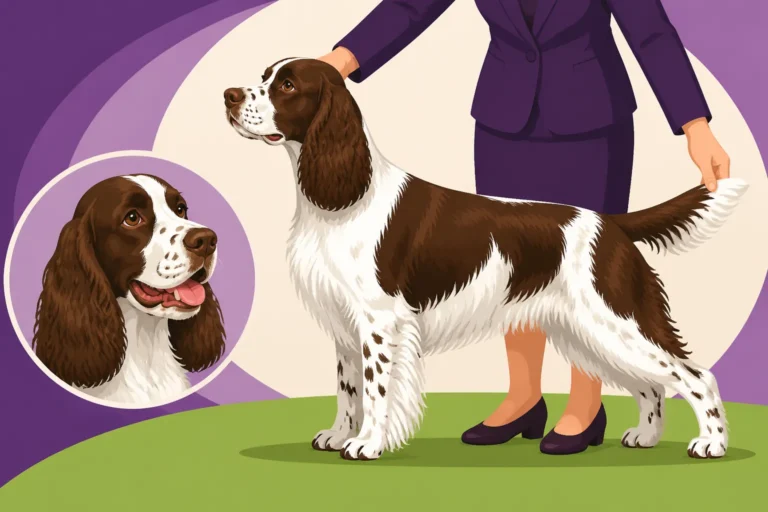
If you are comparing the cross with the two established Springer types, it may help to read How Different the Two Springer Spaniel Types Look. Field-bred and show-bred Springers are both English Springer Spaniels, while a Springer-Cocker cross involves two different breeds.
Why the puppies can vary so much
Inheriting traits is not the same as blending them evenly
It is tempting to imagine a puppy as half Springer and half Cocker in every visible and behavioral way. In practice, a puppy does not necessarily inherit a tidy midpoint. One littermate may have a coat and build that remind you strongly of one parent, while another may have a different combination of features. Even puppies with the same parents can grow into dogs that look noticeably unlike one another.
Size, coat texture, ear length, feathering, and body proportions can vary. The same is true of energy level, retrieving interest, responsiveness, and sensitivity. Breed ancestry can offer clues about possibilities, but it cannot promise an exact adult appearance or personality. For a broader explanation of what a mixed dog may inherit, see What a Springer Spaniel Mix Inherits.
This variation matters in everyday life, not just when choosing a label. A puppy that seems small and easy to carry may grow into a sturdy, energetic adult. A dog with a moderate coat as a youngster may develop longer feathering that gathers burrs and mats. Planning for a range of outcomes is more realistic than buying equipment based on a puppy’s size at eight weeks.
Coat and care needs can be hard to predict
Both breeds can have feathering that catches debris, but the amount and texture of a crossbred dog’s coat can differ. One dog may need frequent brushing around the ears, legs, and underside; another may have a shorter, lower-maintenance coat. Regularly checking for tangles is a sensible habit, particularly after walks in long grass or woodland.
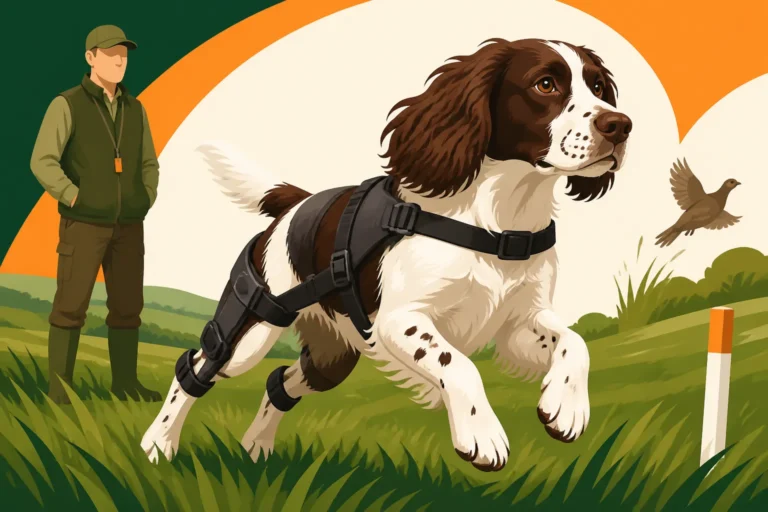
If you are preparing for a puppy, choose adjustable equipment and expect to replace or resize some items as the dog grows. A properly fitted harness should not rub behind the front legs or restrict shoulder movement. Whether you shop at a local pet store or browse options through Chewy, use the dog’s measurements and fit checks rather than relying only on a breed label or estimated adult size.
The same practical approach applies to beds, crates, and grooming tools. Chewy may be one place owners look for everyday supplies, but no retailer can tell you in advance exactly how a crossbred puppy’s adult coat or body will develop. Ask the breeder or rescue what is known about the parents, then adjust your routine as the individual dog matures.
What the name does and does not tell you
“Sprocker” is a description, not a guarantee
The word “Sprocker” can be convenient when talking about a Springer-Cocker cross, but it does not guarantee a consistent size, coat, temperament, or working ability. Two dogs with the same informal label may have different backgrounds. One may come from parents selected for field work, while another may come from dogs bred primarily as companions or from an unplanned litter.
Ask what the seller or rescue means by the label. Find out whether the parents are known, whether they are English Springer Spaniels and English Cocker Spaniels, and what is known about their health and behavior. If the dog is being described as a particular type of working cross, ask what evidence supports that description. A name alone is not proof of ancestry, training, or suitability for a specific home.
For more context on why a Springer and Cocker are separate breeds despite their shared spaniel background, see Which Littermates Became Cockers and Which Springers. Their histories and breed identities are related, but that does not make a crossbred puppy a member of either breed’s pedigree register.
Ancestry tests and paperwork have different purposes
A DNA ancestry test may estimate which breeds appear in a dog’s genetic background. It can be interesting, particularly when a dog’s history is uncertain, but it is not an official pedigree certificate and does not confer breed recognition. Results also should not be treated as a complete explanation of a dog’s likely adult behavior or care needs.
For a puppy from a breeder, ask for clear records about both parents and any health screening relevant to their breeds and lines. A responsible breeder should be willing to discuss the parents’ health, temperament, and reason for producing the litter. If records are incomplete or the breeder relies on “designer breed” language to imply guaranteed health or predictability, pause and ask more questions.
For a rescue dog, you may have limited information about the parents. That does not make the dog less worthy of a home; it simply means you should make decisions based on the dog in front of you. A vet can help assess health and body condition, while a qualified trainer can help you understand the dog’s individual needs. Keep purchase, adoption, vaccination, and veterinary records together, regardless of the breed description used on them.
Choosing and caring for a Springer-Cocker cross
Match the individual dog to your household
Do not choose this cross solely because you expect it to be calmer than a Springer or smaller than a Cocker. Those outcomes are not guaranteed. Instead, ask about the puppy’s or adult dog’s activity level, comfort around people and other animals, response to handling, and ability to settle after exercise. If adopting, spend time observing the dog and ask the rescue what it has seen in a home or foster setting.
Consider your normal week honestly. A dog with spaniel ancestry may enjoy walks, sniffing, retrieving, training games, or other ways to use its energy, but individuals differ. A busy household that can provide company, movement, and patient training may suit one dog well; a home looking for a reliably quiet companion may need to assess the particular dog rather than relying on the crossbreed name. The background on Whether the Two Springer Spaniel Types Interbreed can also help clarify why “Springer” itself covers dogs with differing traits.
For a new puppy, begin with short, positive training sessions and consistent routines. Reward calm behavior as well as recall, leash skills, and coming away from distractions. If the dog’s coat has long feathering, build gentle brushing and handling into its routine early, so grooming does not become an unpleasant struggle later.
Keep the paperwork and expectations clear
When discussing registration with a breeder, ask directly which organization, if any, will record the puppy and under what category. Distinguish a pedigree registration from a mixed-breed activity listing, microchip record, or veterinary file. If a breeder claims the cross is officially recognized, ask for the name of the registry and confirm what the registration actually represents. You can also consult Whether Any Registry Separates the Two Springer Spaniel Types for a related discussion of breed categories and registration.
Before taking a puppy home, make sure the agreement accurately describes the dog as a cross if that is what it is. Ask what support the breeder provides if the dog develops a health or behavior concern, and whether they will take the dog back if circumstances change. For an adopted dog, ask for any available medical and behavioral history, but be prepared for gaps.
As the dog grows, review equipment fit rather than assuming an item bought during puppyhood will remain suitable. A Chewy order or a purchase from another retailer should still be checked for secure fit and comfort when it arrives. The useful takeaway is simple: “Sprocker” can tell you the likely cross being described, but it is not a substitute for reliable records, careful observation, or planning for the individual dog.
Disclaimer
This article is for general informational purposes only and does not constitute professional advice. Laws, prices and regulations vary by location and change over time. Consult a qualified professional for guidance on your specific situation.