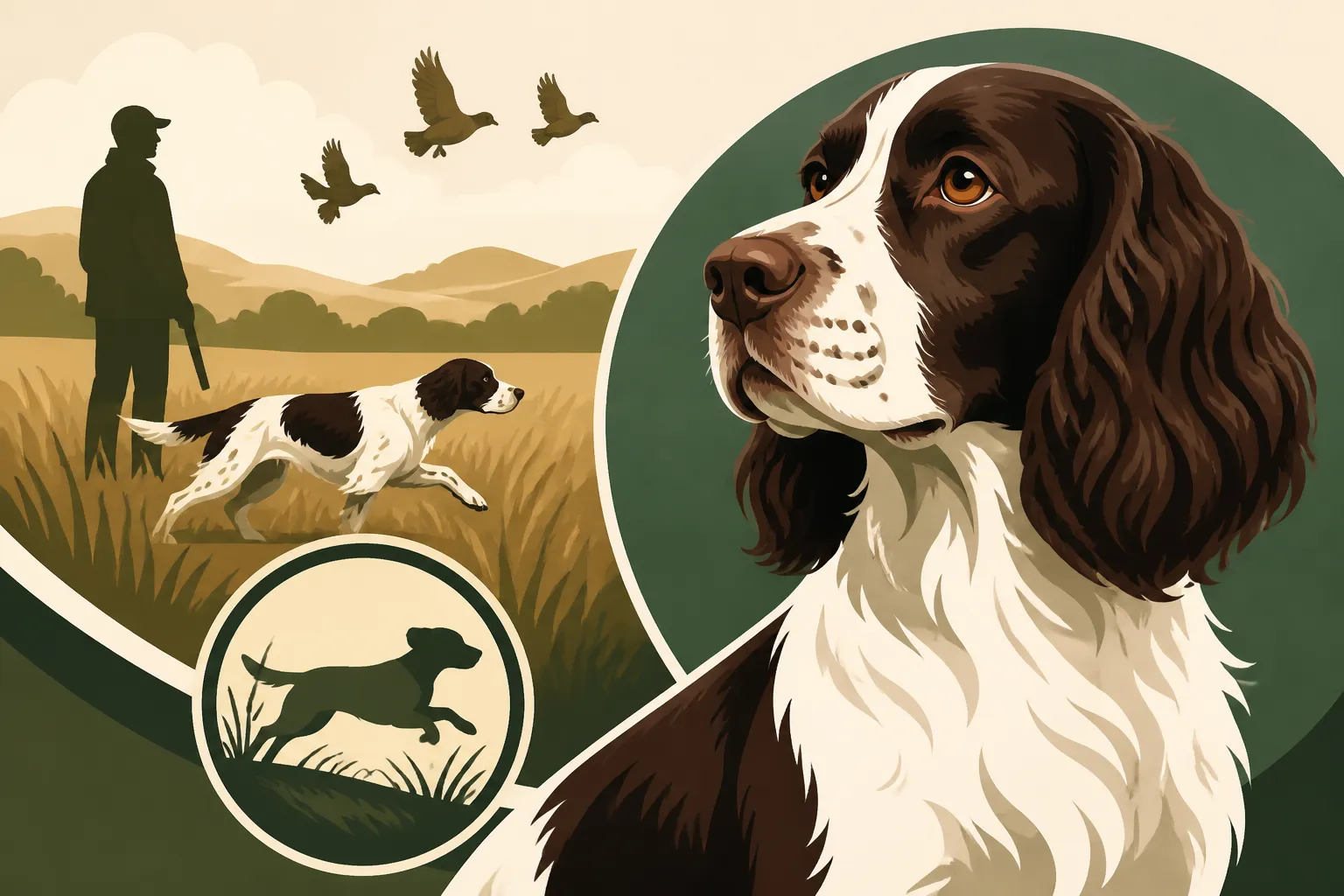
How American Field Trials Shaped the Springer Spaniel
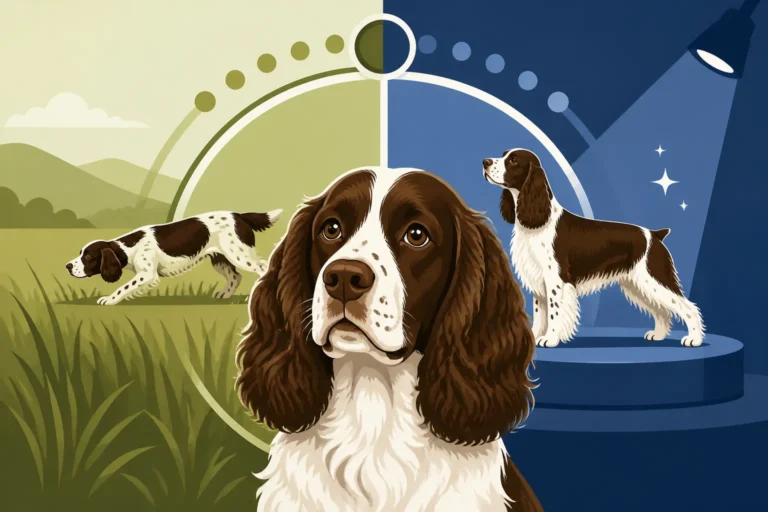
It's a common misconception that all English Springer Spaniels are essentially the same, just varying slightly in color or individual personality. But if you've ever spent time with both a lean, high-octane field trial champion and a beautifully feathered show dog, you'll quickly realize they are worlds apart. This guide delves into a fascinating chapter of the breed's history, exploring how American field trials profoundly reshaped the Springer Spaniel, leading to the distinct types we see today and creating challenges and joys for their owners.
The Genesis of a Divide: Early American Springer Spaniels
When English Springer Spaniels first made their way across the Atlantic, they arrived as versatile gundogs, valued for their ability to "spring" game from cover for the hunter. They were generalists, equally at home flushing pheasants from a hedgerow or retrieving a duck from icy water. The early American hunters appreciated these traits, but the vast and varied landscapes of North America, coupled with a budding competitive spirit, would soon begin to pull the breed in new directions.
Initially, breeders in both the United Kingdom and America shared a relatively common vision for the Springer. The dogs were meant to be hardy, intelligent, and biddable companions in the field, with a conformation that allowed them to perform their duties efficiently. While there were always variations in size and substance, the core functionality was paramount. The idea of a significant split in the breed's genetic makeup wasn't really on anyone's radar yet; a good Springer was a good Springer, and it could do its job.
However, the stage was set for change. American sportsmen, with their boundless enthusiasm and often larger hunting grounds, began to seek dogs that could cover more ground faster, with a relentless drive that mirrored their own passion. This subtle shift in preference, combined with the emergence of structured competitive events, would become the bedrock for the profound divergence that would come to define the English Springer Spaniel in the United States.
British Working Style vs. American Ambition
To truly understand how American field trials changed the Springer, it helps to glance back at their origins. In Britain, where the breed was honed, much of the hunting took place on smaller estates or managed coverts. The traditional British working spaniel was expected to work close to the gun, typically quartering within a relatively tight range, often no more than 20-30 yards. This wasn't about covering vast expanses quickly, but about meticulous, methodical flushing, ensuring no game was missed. The dog's temperament was prized for its steadiness and responsiveness to the handler's whistle and hand signals.
When these dogs arrived in America, they encountered different conditions. The open fields, dense woodlands, and expansive prairies presented a new challenge. American hunters often covered greater distances, and their expectations for a gundog evolved. While the foundational traits of intelligence and desire to please remained, there was an increasing demand for dogs that could cover ground with speed and independent initiative. This difference in hunting environment and philosophy laid the groundwork for how American competitive events would eventually shape the breed.
The Ascendancy of American Field Trials
The establishment of formal field trials in America provided a crucible for this evolving ideal. Unlike conformation shows, which judge a dog against a written breed standard describing its appearance, field trials judge a dog purely on its working ability. For Springer Spaniels, this meant assessing their scenting ability, quartering pattern, flushing power, steadiness to shot and flush, and retrieving skills. These trials became highly competitive arenas where dogs were pushed to perform at the peak of their athletic and instinctive capabilities.
The criteria for success in these trials naturally favored certain traits. Judges sought dogs that would quarter a field with immense energy and speed, exhibiting a wide, intelligent pattern that ensured all cover was systematically searched. A dog that showed hesitation, worked too close, or lacked the stamina to maintain its pace throughout a brace would not place well. This emphasis on performance, rather than adherence to a physical standard, became the primary driver of selection.
Over time, this intense selection pressure led to breeders prioritizing characteristics that excelled in the trial setting. Dogs with an inherent higher drive, more independent working style, and physical attributes conducive to speed and endurance began to dominate the winner's circles. The subtle genetic shifts that had started to occur became more pronounced, pushing the American field-bred Springer Spaniel further and further away from its show-bred counterparts. If you were looking for the kind of energy that would make you feel like you were running a marathon just watching your dog, the field trials were where you found them. These dogs need their daily dose of vigorous exercise, and understanding How Much Exercise a Field Bred Springer Spaniel Needs is crucial for any potential owner.
Prioritizing Performance Over Conformation
In the realm of American field trials, a dog's physical appearance quickly became secondary to its actual performance in the field. Judges weren't handing out ribbons for the most beautifully set ears or the most perfectly angled hindquarters; they were looking for explosive flushes, unwavering retrieves, and an almost psychic connection to game scent. This meant that breeders focused on pairing dogs that consistently won trials, regardless of whether they perfectly matched the conformation standards being upheld in the show ring.
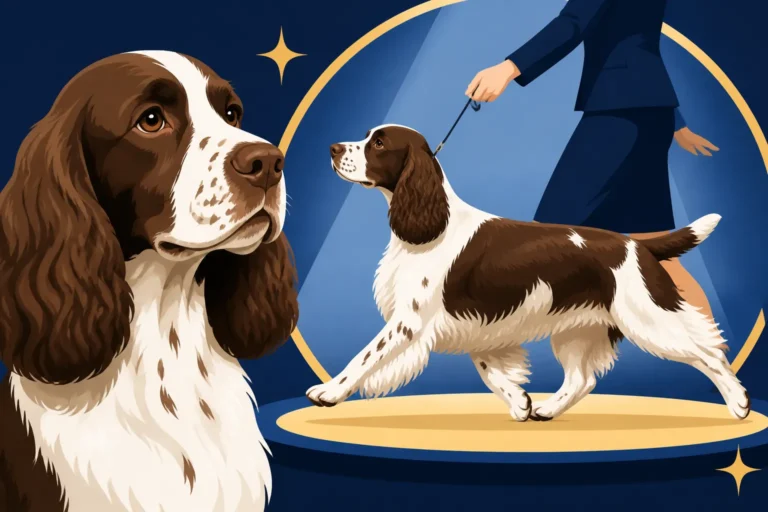
This created a divergence in breeding goals. Show breeders continued to select for dogs that fit the written standard for appearance and temperament, often resulting in a heavier bone structure, longer coat, and a calmer demeanor. Field breeders, conversely, selected for a lighter, more agile build, shorter coat that wouldn't hinder movement in dense cover, and an unwavering, high-octane drive. The field trial circuit essentially acted as a natural selection mechanism, molding the breed to fit its specific demands. The result was two distinct populations emerging under the same breed name, a phenomenon aptly described in Two Breeds Registered as One: the Field and Show Springer Spaniel.
Breeding for Speed, Drive, and Unrelenting Stamina
The competitive nature of field trials meant that only the best performers would be bred. This selection process inevitably led to an intensification of certain traits: speed, drive, and stamina became paramount. Field-bred Springers were increasingly developed to cover ground at a blistering pace, often with a wider quartering pattern than their traditional British ancestors. They needed to be able to run hard all day, with an almost inexhaustible engine.
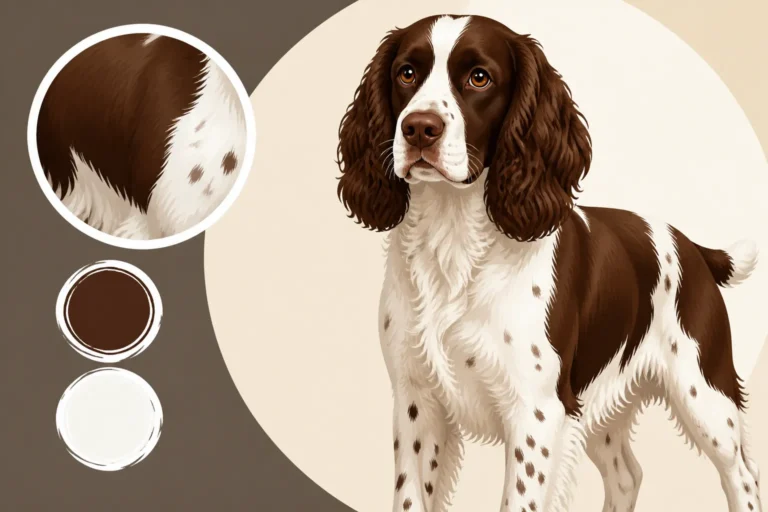
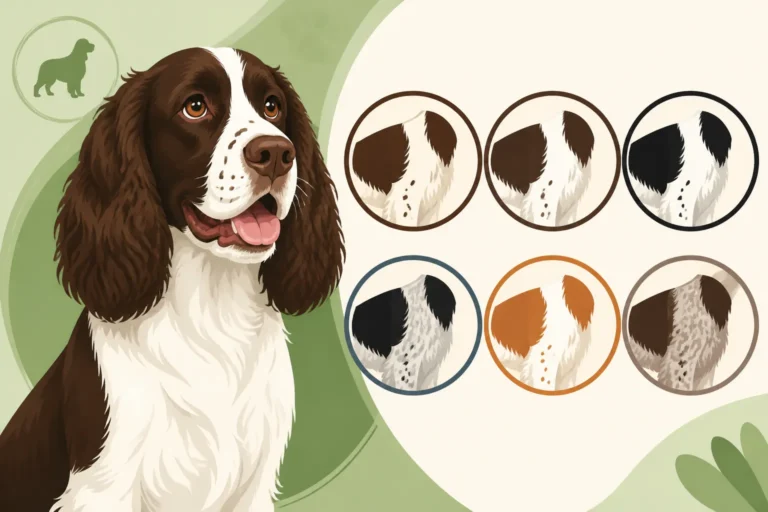
This pursuit of extreme athleticism and prey drive meant that other characteristics, such as a super-soft mouth or close-working biddability, while still important, might sometimes take a backseat to sheer intensity. The dogs were bred to be bold, independent thinkers in the field, capable of making quick decisions and relentlessly pursuing scent. This resulted in a type of Springer Spaniel that, while breathtaking to watch in a working capacity, sometimes presented a more formidable challenge for a pet owner not accustomed to managing such an energetic and single-minded canine. If you are ever curious about the differences in their physical appearance, you can delve into How Different the Two Springer Spaniel Types Look.
The Enduring Divergence: Field vs. Show Lines Today
The legacy of American field trials is evident in the striking differences between modern field-bred and show-bred English Springer Spaniels. It's not just a matter of preference; it's a fundamental split in genetic lines, temperaments, and physical characteristics that has been seventy years in the making. This divergence means that potential owners need to be very clear about what they're looking for in a dog, as choosing the wrong type can lead to frustration for both dog and human.
The field-bred Springer is typically a leaner, more athletic dog with a shorter, less profuse coat and less feathering. Their ears are often set higher and are less heavy. Their energy levels are famously high, and they possess an intense drive to work, sniff, and retrieve. They thrive on having a "job" to do and are often described as being "always on." On the other hand, the show-bred Springer tends to be heavier-boned, with a more substantial, longer coat and more luxuriant feathering, and a generally calmer disposition, though still energetic and playful. They embody the classic "handsome dog" image. For more on this genetic split, consider reading The Seventy Year Gene Pool Divide Inside One Springer Spaniel Breed.
Physical Transformations: The Athlete vs. The Beauty
The physical differences between field and show Springers are probably the most immediately obvious. Imagine a top athlete versus a runway model: both beautiful in their own right, but built for entirely different purposes.
| Feature | Show-Bred Springer Spaniel | Field-Bred Springer Spaniel |
|---|---|---|
| Build | Heavier bone, more substantial body | Lighter bone, more athletic, leaner |
| Coat Length | Longer, more profuse feathering | Shorter, coarser, less feathering |
| Ear Set | Lower set, heavier ear leather | Higher set, lighter ear leather |
| Head Shape | Broader skull, more pronounced stop | Finer head, often more tapered muzzle |
| Tail Docking | Varies by region, sometimes left natural | Often traditionally docked for safety in cover |
| Energy Level | Energetic, but can settle indoors | High-octane, requires significant output |
| Grooming Needs | More intensive, regular brushing/trimming | Less intensive, practical for working |
These physical changes weren't arbitrary. The shorter, tougher coat of a field Springer helps prevent tangles and snags when working through dense bramble and cover, making them more resilient in the field. Their lighter frame allows for greater agility and speed, critical for quartering quickly and making explosive flushes. Conversely, the longer coat of the show Springer is part of its aesthetic appeal in the ring, and while they can still hunt, their build isn't optimized for the relentless demands of competitive field work. This divide means that while a field-bred dog might easily win in a hunting scenario, a show-bred dog might struggle, and vice versa in the conformation ring. You can definitely feel this when you groom them, and looking for specific grooming tools on sites like Chewy for your particular type of Springer is often a good idea.
Temperamental Shifts: The Worker vs. The Companion
Beyond the physical, the temperamental differences are perhaps even more profound, and they directly stem from the intense selection pressures of American field trials. Field-bred Springers typically possess an incredibly high prey drive, boundless energy, and an insatiable desire to work. They are often described as being "always on," needing constant mental and physical stimulation to be truly happy and well-behaved. Their focus can be almost singularly devoted to scent and game, making off-leash reliability a constant training effort. Sometimes, these dogs just cannot be left alone; The Springer Spaniel That Cannot Be Left Alone speaks to this common challenge.
Show-bred Springers, while still energetic and requiring plenty of exercise, generally have a more "off switch." They are typically calmer in the house, more amenable to a pet lifestyle, and often more overtly cuddly or "velcro" dogs. Their drive to hunt is still present, but it's usually less intense and easier to manage for an average family. This isn't to say one is "better" than the other, but rather that they are suited for different homes and lifestyles. A family looking for a hiking companion and a laid-back house dog might find a field-bred Springer overwhelming, while an avid hunter would likely find a show-bred dog lacking the drive needed for serious work. Understanding this split is critical for anyone considering adding a Springer to their home, as exploring A Field Bred Springer Spaniel Is a Different Dog to Live With can illuminate.
The Lasting Legacy and Modern Realities
The influence of American field trials on the English Springer Spaniel is an indelible part of the breed's history and its current reality. What started as a natural response to hunting conditions and competitive instincts has resulted in a fascinating and sometimes challenging duality within a single breed. Today, prospective owners face a choice that goes beyond coat color or gender; they must choose between two distinct types of Springer Spaniel, each with its own set of needs and characteristics.
This enduring legacy continues to shape breeding practices, training philosophies, and even the products owners buy for their dogs, from specialized performance foods often found on Chewy to specific types of training gear. The breed's enthusiasts often engage in robust discussions about the wisdom of this divergence, and whether it has truly served the best interests of the Springer Spaniel as a whole.
The Challenge for Pet Owners
For many pet owners, especially those new to the breed, the sheer drive and energy of a field-bred Springer Spaniel can be a significant surprise, and sometimes, a struggle. These dogs aren't content with a leisurely stroll around the block; they need vigorous exercise, consistent mental stimulation, and often a dedicated "job" to keep them fulfilled. Without an outlet for their innate drive, field-bred Springers can develop undesirable behaviors like excessive barking, destructive chewing, or frantic pacing. Their incredible nose can lead them on adventures far from home if not properly managed, meaning Whether a Springer Spaniel's Recall Can Be Trusted is a constant concern and training priority.
Conversely, a show-bred Springer might be a better fit for a less active family, offering the affectionate, playful nature of the breed without the intense working demands. The challenge lies in ensuring that owners are fully informed about these differences before bringing a puppy home. Reputable breeders will always be transparent about their lines and the typical temperament and drive associated with them, guiding buyers to the right type of dog for their lifestyle.
The Ongoing Debate: Two Breeds or One?
The striking differences between field and show lines have inevitably led to an ongoing debate within the English Springer Spaniel community: should they officially be recognized as two separate breeds? On one side, proponents argue that the physical and temperamental divergence is so profound that maintaining them under a single breed standard is misleading and potentially harmful, as it fails to acknowledge the distinct needs and characteristics of each type. They suggest that formal separation would allow each type to be judged and bred according to standards that truly reflect its purpose and form. This is a topic that many fanciers discuss, and it gets to the heart of questions like Whether the Springer Spaniel Should Be Split Officially.
On the other side, many feel strongly that despite the differences, they are still fundamentally English Springer Spaniels, sharing a common heritage and core characteristics. They worry that a formal split could fragment the breed further, reduce genetic diversity, or diminish the historical significance of their shared ancestry. Regardless of where one stands on this debate, it's clear that the influence of American field trials created a unique situation, forever altering the trajectory of the English Springer Spaniel and presenting a rich, complex tapestry for all who love these remarkable dogs.
Disclaimer
This article is for general informational purposes only and does not constitute professional advice. Laws, prices and regulations vary by location and change over time. Consult a qualified professional for guidance on your specific situation.