Whether a Springer Spaniel Needs Electrolytes After Work
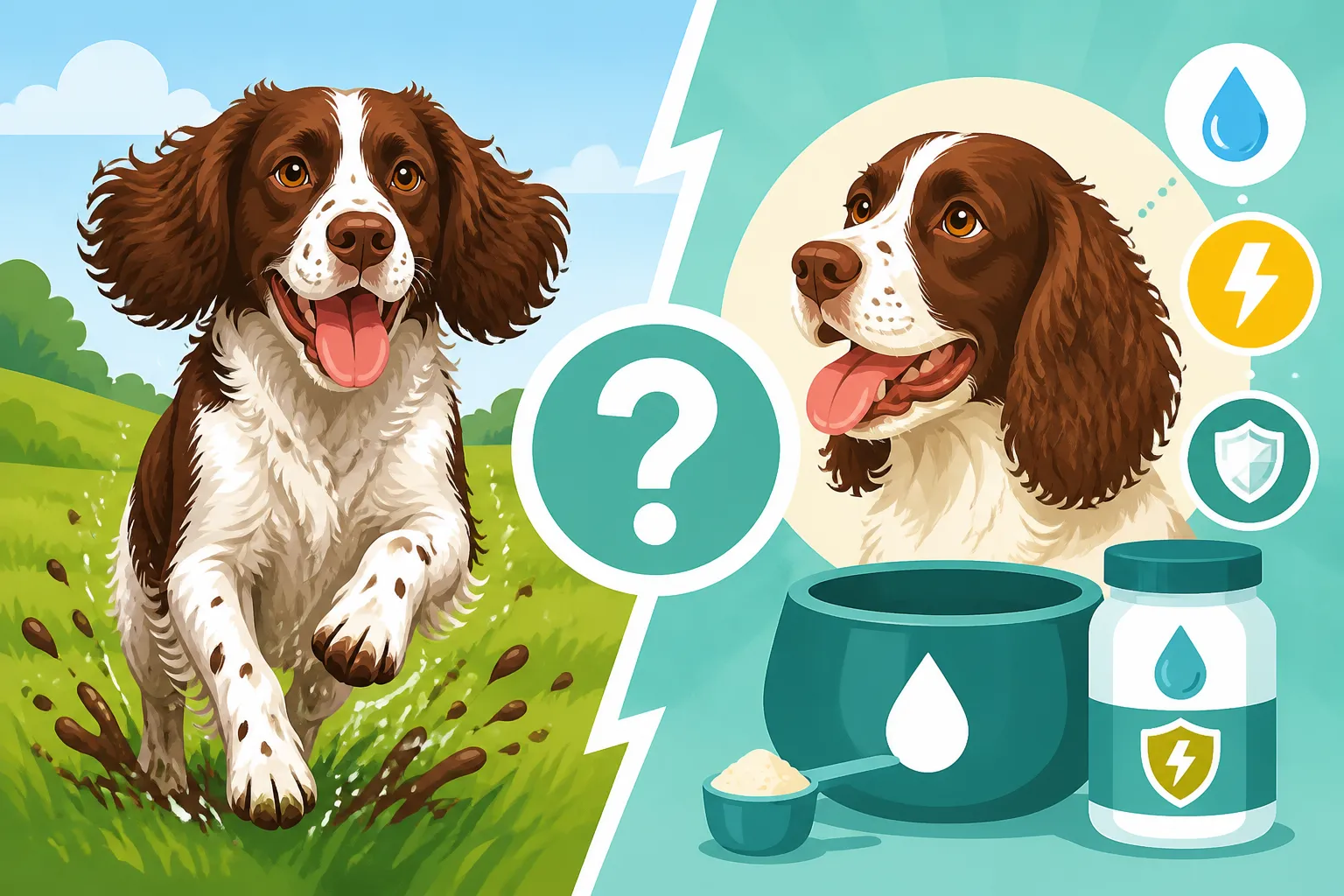
After a vigorous retrieve in a marsh or a long day quartering open fields, many English Springer Spaniel owners look at their panting, exuberant dog and wonder if they need more than just a big bowl of water. It's a valid concern – these dogs are powerhouses of energy and drive, and keeping them properly fueled and hydrated is key to their health and performance. This guide will walk you through understanding when and why your working Springer Spaniel might or might not need electrolyte supplementation, and how to ensure they recover optimally from their strenuous efforts.
Understanding Electrolytes and Their Role in Canine Health
It's easy to think of hydration as simply drinking water, but there's a more complex chemical dance happening behind the scenes, especially when your Springer is giving it their all. Electrolytes are at the heart of this process.
What are Electrolytes and Why Are They Important?
Think of electrolytes as the vital minerals that carry an electrical charge when dissolved in your dog's bodily fluids. We're talking about substances like sodium, potassium, chloride, magnesium, and calcium. These aren't just obscure chemicals; they are fundamental to almost every major bodily function. For instance, they're critical for transmitting nerve impulses, which means they're essential for every single muscle contraction, from your Springer's powerful running stride to the gentle flex of their paw.
Beyond muscle and nerve function, electrolytes play a massive role in maintaining proper fluid balance both inside and outside cells. Without the right balance, cells can either shrivel from dehydration or swell, leading to serious problems. They also help regulate your dog's pH levels, ensuring their body isn't too acidic or too alkaline, which can impact enzyme function and overall health. For an active, high-energy breed like the Springer Spaniel, whose body is constantly working, these microscopic powerhouses are absolutely non-negotiable for peak performance and recovery.
How Working Hard Affects a Springer Spaniel's Electrolyte Balance
Unlike humans, dogs don't "sweat" extensively through their skin to cool down. Their primary cooling mechanism is panting, which is incredibly effective but also means they lose significant amounts of fluid through evaporation from their respiratory tract. While they do have some sweat glands in their paw pads, the main loss of moisture and, consequently, electrolytes comes from this rapid breathing and increased urination as their body processes waste and tries to regulate temperature.
Consider the typical day of a working Springer Spaniel. They're not just jogging; they're quartering back and forth, covering ground at speed, plunging into thick cover, making retrieves, and often, engaging in water work. This kind of sustained, high-intensity activity, especially over several hours, demands a huge amount from their system. Each powerful leap, every frantic tail wag, every sniff of a bird's scent burns energy and causes their internal systems to work harder. In hot, humid conditions, the body works even harder to dissipate heat, increasing panting and thus increasing fluid and electrolyte loss. Imagine your Springer making multiple retrieves across a field on a warm afternoon – the sheer exertion means their body is constantly drawing on its reserves, and electrolytes are being used up and excreted. This is why careful consideration of their hydration needs is so important. The Daily Routine a Springer Spaniel Actually Needs
When a Springer Spaniel Might Benefit from Electrolyte Supplementation
It's tempting to reach for supplements for any perceived edge, but it's crucial to understand when they're genuinely beneficial and when they might be unnecessary.
Recognizing Signs of Dehydration and Electrolyte Imbalance
A well-hydrated dog is a happy, energetic dog. But when a Springer Spaniel is pushing its limits, recognizing the subtle (and not-so-subtle) signs of dehydration and electrolyte imbalance is paramount. Early signs might be a slight dip in their usual boundless energy, a reluctance to continue working, or less enthusiasm for a retrieve. As dehydration progresses, you might notice more obvious symptoms: dry, tacky gums (instead of moist and pink), sunken eyes, or a loss of skin elasticity – if you gently pinch the skin on their back, it should snap back quickly; if it remains tented, they are likely dehydrated.
More serious signs can include muscle weakness or tremors, excessive and prolonged panting even during rest, dark yellow or strong-smelling urine, and in severe cases, collapse. The challenge with a typical Springer Spaniel is their incredible drive; they might try to push through discomfort or fatigue, masking these early signs. As owners, we have to be vigilant, especially after intense activity. While electrolyte supplementation can help prevent these extreme states, these symptoms are red flags that indicate an existing problem, and at this point, immediate veterinary attention might be necessary rather than just adding a supplement. Signs a Springer Spaniel Is Getting Old
Factors That Increase Electrolyte Needs for a Working Springer
Not every walk in the park warrants electrolyte intervention. It’s about assessing the specific demands placed on your dog.
Intense, Prolonged Exercise: This is the primary driver for increased electrolyte needs. If your Springer is engaged in a full day of upland hunting, participating in field trials with multiple runs, or training vigorously for hours on end, their body is constantly working at a high metabolic rate. These activities deplete glycogen stores and push the cardiovascular system, leading to greater fluid and electrolyte loss than a typical leisurely stroll.
Hot, Humid Weather: Environment plays a huge role. Even a moderate amount of exercise on a hot, humid day can significantly increase a Springer's need for fluids and electrolytes. The humidity makes it harder for them to cool through panting, leading to more intense and prolonged panting, and thus, greater fluid loss. Imagine a late summer dove hunt – even if the duration isn't extreme, the heat index can quickly elevate the risk of dehydration and electrolyte imbalance.
Water Work: This might seem counterintuitive, given they are in water, but water retrieves and prolonged swimming are incredibly taxing. Dogs exert significant energy swimming, and while they might lap up some water, they are still actively panting and working hard. If they're retrieving from a cold lake, their body is also working to maintain core temperature. Furthermore, consuming too much non-potable water can sometimes lead to its own issues, rather than properly hydrating them. Water Work and What It Does to a Springer Spaniel's Ears
Stress: Competition stress, travel anxiety, or even the excitement of a new hunting ground can elevate a dog's heart rate and respiration, contributing to fluid loss. A dog experiencing stress might pant more, even when not physically exerting itself, leading to a subtle but continuous drain on their reserves.
Diet: While a high-quality performance diet provides a solid nutritional foundation, even the best kibble or fresh food might not provide enough immediate electrolyte replacement for extreme situations. These diets are designed for daily maintenance, not acute, heavy exertion. Whether a Working Springer Spaniel Needs a Performance Formula
Situations Where Supplementation Might Be Overkill
It’s just as important to understand when electrolytes are not necessary. For the vast majority of pet Springer Spaniels, daily life does not warrant electrolyte supplementation. If your dog enjoys regular walks, plays in the yard, or has short, moderate training sessions in comfortable weather, their needs are typically met by a balanced diet and consistent access to fresh, clean water.
Over-supplementation can actually be detrimental. Giving electrolytes when they aren't needed can disrupt a dog's natural electrolyte balance, potentially leading to issues like gastric upset, vomiting, or diarrhea. In rare cases, an excessive intake of certain electrolytes, particularly sodium, can lead to hypernatremia, which is too much sodium in the blood, and can be very dangerous. It's crucial not to treat electrolytes as a magical performance enhancer for everyday use; they are a tool for specific, demanding circumstances. Always err on the side of caution and prioritize natural hydration.
Practical Approaches to Hydration and Electrolyte Management
Getting hydration right for a working Springer isn't about one magic bullet; it's a comprehensive approach.
The Absolute Best Solution: Fresh Water, Always
I cannot stress this enough: the single most important thing you can do for your Springer Spaniel’s hydration and overall health is to provide constant, unlimited access to fresh, clean water. This isn't just about offering it when they look thirsty; it's about making it available before, during, and after any activity, especially work. Before a hunt or a long training session, offer water and encourage them to drink. During breaks, even short ones, present water. Many handlers use hydration vests or specialized packs to carry enough water for both themselves and their dog when out in the field. Collapsible bowls that clip to a belt or backpack are also indispensable tools.
Sometimes, Springers are so focused on the task at hand that they might ignore water, especially if it’s an unfamiliar source or simply not appealing enough. A trick I've used is to add a tiny splash of low-sodium chicken broth to the water to make it more enticing. Some dogs also enjoy crunching on ice cubes, which offers a slow release of water. Remember, water isn't just about preventing dehydration; it's essential for countless metabolic processes, nutrient transport, and regulating body temperature. It’s the foundation upon which all other hydration strategies are built.
Choosing and Administering Electrolyte Supplements Safely
If you've determined that your Springer's activity level and environmental conditions warrant electrolyte supplementation, the next step is choosing the right product and using it safely. There's a wide range of canine-specific electrolyte supplements available, typically in powder, gel, or liquid forms. When you're looking at options on platforms like Chewy or Amazon, focus on products specifically formulated for dogs. Key ingredients to look for are the primary electrolytes: sodium, potassium, and chloride, often alongside magnesium and calcium. These should be present in ratios appropriate for canine physiology.
It's equally important to scrutinize the ingredient list for unnecessary additives. Avoid products heavy in sugar, artificial colors, or artificial sweeteners, as these can cause gastric upset and offer little benefit. Always, always follow the manufacturer's directions for dosage precisely. Overdosing can be dangerous, as discussed, and underdosing might render the supplement ineffective. Furthermore, if your Springer has any pre-existing health conditions, especially kidney or heart issues, consulting your veterinarian before introducing any new supplement is non-negotiable.
Resist the urge to give your dog human sports drinks. While they contain electrolytes, the sugar content is often far too high for dogs, and they can contain artificial sweeteners like xylitol, which is highly toxic to canines. Stick to products formulated specifically for our four-legged athletes.
Holistic Hydration Strategies for Peak Performance
Electrolyte supplements are just one piece of the puzzle. A truly holistic approach to hydration and performance involves several complementary strategies.
- Acclimatization: If you plan on intense activity in hot weather, gradually expose your Springer to warmer conditions over several days or weeks. This allows their body to adjust and improve its heat-dissipation mechanisms.
- Planned Rest Breaks: Integrate regular, enforced rest breaks into your activity schedule. These aren't just for physical recovery; they give your dog time to cool down and rehydrate in a relaxed environment.
- Nutritional Foundation: A high-quality performance dog food is crucial. These diets are formulated with higher fat and protein content to meet the intense caloric demands of working dogs. They provide the consistent energy your Springer needs to perform without quickly depleting reserves. How Much a Working Springer Spaniel Should Eat
- Moisture-Rich Foods: Consider incorporating moisture-rich additions to their diet. This could be simply adding water to their kibble, or exploring fresh food options from services like Ollie that naturally have higher moisture content. This can contribute to overall hydration. Whether Fresh Food Is Worth It for a Springer Spaniel's Skin
- Monitoring: Regularly check your Springer's urine color (should be pale yellow) and observe their energy levels. A dog that is struggling will show it, even if their drive compels them to keep going.
By combining these strategies, you're building a robust defense against dehydration and optimizing your Springer Spaniel's ability to perform and recover.
When to Consult Your Veterinarian
While most minor hydration concerns can be managed at home with diligent care, there are definitive times when veterinary consultation is not just recommended, but essential.
Persistent Dehydration or Performance Issues
If you've been consistent with providing ample fresh water, implementing electrolyte strategies when appropriate, and still notice your Springer Spaniel frequently exhibiting signs of dehydration, it’s time to call the vet. This also applies if there's a persistent, unexplained drop in their performance or endurance. Perhaps they're becoming lethargic more quickly, or their recovery time is unusually long. These could be indicators of an underlying health issue that’s impacting their ability to hydrate or utilize electrolytes efficiently.
Any uncharacteristic lethargy, weakness, or changes in behavior after exercise should also prompt a call to your vet. Don't assume it's just normal fatigue. Your veterinarian can perform a thorough examination, run blood tests to check electrolyte levels, kidney function, and other vital parameters to rule out medical conditions that could be contributing to these symptoms.
Before Starting Any New Supplement Regimen
It’s always a good idea to chat with your vet before you introduce any new supplement into your Springer’s diet, especially something like electrolytes. This is particularly crucial if your dog has any pre-existing health conditions, such as heart disease, kidney disease, or even conditions like Whether a Springer Spaniel Gets Hypothyroidism, which can affect metabolism and overall health. What might be beneficial for one dog could be detrimental to another.
Your veterinarian can offer personalized advice based on your individual dog's specific needs, including their age, general health status, current diet, typical activity level, and the environment they live and work in. They can guide you on the appropriate type of supplement, the correct dosage, and help you understand potential interactions with any medications your dog might already be taking. Their expertise ensures that any supplementation you choose supports, rather than hinders, your Springer Spaniel's health and well-being.
Hydration and Electrolyte Management Guide
Here's a quick overview to help you decide on the best approach for your Springer Spaniel's hydration and electrolyte needs:
| Activity Level & Conditions | Primary Hydration Strategy | When to Consider Electrolytes | Key Considerations |
|---|---|---|---|
| Low-Moderate Activity | Constant fresh water access | Rarely, unless specific medical conditions apply | Sufficient for daily walks, short play, cool/mild weather. |
| Vigorous Daily Exercise (e.g., long runs, intense training) | Ample water before, during, after activity | Potentially in hot/humid weather, or if showing early fatigue | Monitor water intake closely; consider moisture-rich foods. |
| Intense, Prolonged Work (e.g., multi-hour hunts, field trials, agility) | Maximize water intake at all opportunities | Highly recommended, especially in warm/hot conditions | Critical for sustained performance and rapid recovery. Consult vet for product choice. |
| Stressful Situations (e.g., travel, new environments) | Easy access to water, calming environment | If stress leads to prolonged panting/dehydration | Prioritize reducing stress; water should always be available. |
| Recovery from Illness/Injury | Frequent, small amounts of water | Only under veterinary guidance | Vet may prescribe specific electrolyte solutions or IV fluids. |
Remember, this table is a general guide. Your Springer Spaniel is unique, and observing their individual response to activity and conditions is key. What an Old Springer Spaniel Should Be Fed
Disclaimer
This article is for general informational purposes only and does not constitute professional advice. Laws, prices and regulations vary by location and change over time. Consult a qualified professional for guidance on your specific situation.