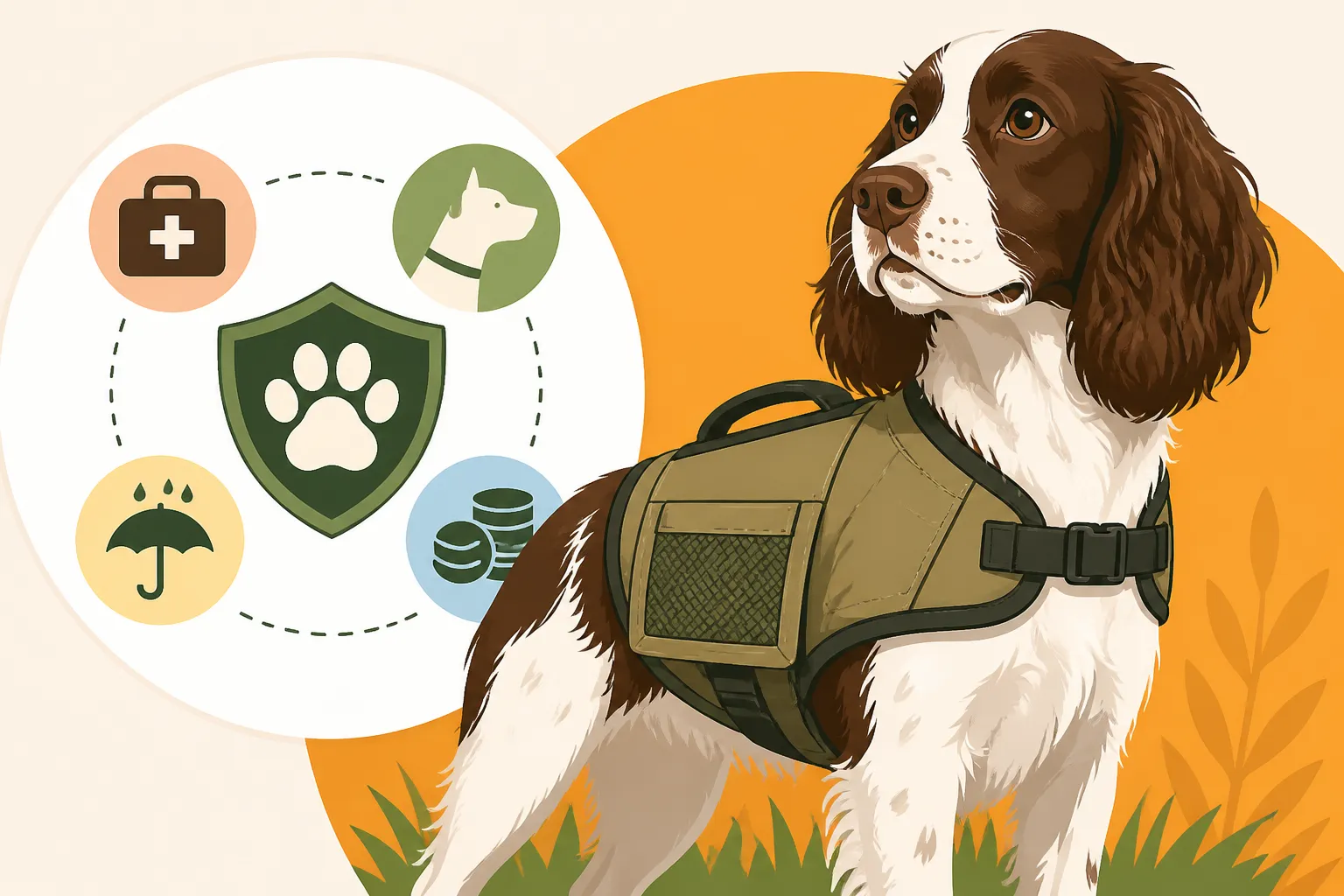
What a Springer Spaniel’s Vest for Cover Costs
If you've ever watched a Springer Spaniel, particularly a field-bred one, tear through dense brush, plunge into icy water, or zig-zag through thorny cover, you know their boundless enthusiasm knows no bounds. This incredible drive, while exhilarating, also puts them at risk. A snagged thorn, a hidden branch, or prolonged exposure to cold can turn a joyful outing into a stressful trip to the vet. This guide is all about understanding why a protective vest is a vital piece of gear for your adventurous Springer and what you can expect to pay for one that truly keeps them safe.
The Essential Role of a Cover Vest for Your Springer Spaniel
Let's face it, our Springers are born to work, to explore, to dive headfirst into whatever scent trail calls their name. Whether they're flushing game birds, retrieving ducks, or simply enjoying a vigorous hike off-leash in varied terrain, their job description often involves pushing through some pretty unforgiving environments. This natural inclination, as wonderful as it is, means they often encounter hazards that their beautiful, yet vulnerable, coats simply aren't designed to withstand. A good cover vest isn't just a nice-to-have accessory; it’s a crucial piece of personal protective equipment for these active dogs.
Why Your Springer Needs Protection in the Field
Imagine your Springer, nose to the ground, tunneling through a thicket of blackberry brambles. You hear the rustle, perhaps a little excited whine, and then they emerge, tail wagging, but with a new scratch on their flank or a burr firmly embedded in their feathering. Now multiply that by an entire hunting season, or even just regular excursions into natural areas. The reality is, while their instincts are sharp, their skin and coat are not impervious.
Thorns from rose bushes or multiflora rose, sharp broken branches underfoot or at chest height, dense marsh grasses that can abrade skin, or even icy water in the dead of winter all pose significant threats. A quick plunge into a freezing pond without proper protection can lead to hypothermia, dampening their enthusiasm and potentially leading to serious health issues. A vest provides a critical layer of defense, shielding their body from direct contact with these elements. Think of it as armor for their adventurous spirit, allowing them to do what they love without undue risk. After all, the cost of a vest pales in comparison to What an Emergency Vet Visit Costs for a Springer Spaniel.
What a Cover Vest Actually Protects Against
A well-designed cover vest is a multi-purpose shield against a myriad of field hazards. It’s not just about one thing; it's about comprehensive protection.
Firstly, it protects against abrasions and punctures. When your Springer barrels through thick cover, branches, thorns, and sharp grasses can easily cause cuts, scrapes, and even deep punctures. These aren't just painful; they can become infected, leading to further complications. A sturdy vest creates a barrier, absorbing the impact and deflecting sharp objects away from their delicate skin. This is especially true for the chest and belly, which are often the most exposed areas when a dog is low to the ground, pushing through brush.
Secondly, it guards against burrs and foxtails. Anyone who owns a long-haired working dog knows the nightmare of burrs. They cling to the fur, form painful mats, and can even work their way into ears or paws. A vest, particularly one made of smooth, resistant material, minimizes the surface area available for these nuisances to attach, saving you hours of tedious brushing and potentially preventing costly veterinary removals of embedded plant material. For more on this, check out Burrs, Ticks and Grass Awns in a Working Springer Spaniel.
Thirdly, for dogs working in cold or wet conditions, a vest offers crucial thermal insulation and water resistance. Springers often find themselves in chilly streams or icy swamps during a retrieve. A neoprene vest, for example, acts like a wetsuit, trapping a layer of warm water against the dog's body, helping to regulate their core temperature and prevent hypothermia. This is especially critical when you consider Water Work and What It Does to a Springer Spaniel's Ears and the overall impact of cold exposure.
Finally, a vest can offer increased visibility. Many vests come in bright, fluorescent colors like blaze orange or yellow. This isn't just a fashion statement; it's a critical safety feature, especially during hunting season. It makes your dog far more visible to you and to other hunters, significantly reducing the risk of accidental injury.
Deciphering the Different Types of Cover Vests and Their Materials
When you start looking at vests for your Springer, you’ll quickly realize there’s a wide world of options out there, each designed with specific conditions and purposes in mind. Understanding the materials and design features is key to making an informed decision that suits your dog’s specific needs and the environments you frequent.
Common Materials and Their Protective Qualities
The material a vest is made from is perhaps the biggest factor in its cost and its protective capabilities. You'll generally find a few main types, each with its own set of advantages:
- Neoprene: Think wetsuit material. Neoprene vests are fantastic for cold weather and water work, which many Springers excel at. They offer excellent insulation, helping to keep your dog warm even when submerged in icy water. The material is also very flexible, allowing for a full range of motion, and can offer a decent level of puncture and abrasion resistance. Neoprene vests are often thicker and come with a slightly higher price tag due to their specialized properties. If you're wondering Whether a Springer Spaniel Needs a Neoprene Vest for Water, the answer is often yes for prolonged cold-water exposure.
- Cordura or Heavy-Duty Nylon: These are synthetic fabrics known for their exceptional durability, abrasion resistance, and tear strength. They're often used in outdoor gear and tactical equipment. Vests made from Cordura or heavy-duty nylon are excellent for protecting against thorns, briars, and sharp brush. They tend to be lighter than neoprene and are ideal for warmer weather conditions where insulation isn't the primary concern. The denier (a measure of fiber density) of the fabric will indicate its toughness – higher denier means tougher, and usually, more expensive.
- Canvas or Duck Cloth: These are more traditional, rugged cotton fabrics. While very tough and reasonably resistant to snags and punctures, they aren't waterproof and can become heavy when wet. They're often seen in more basic, no-frills vests, offering good protection at a generally lower price point. However, they may not stand up to the most extreme abuse as well as their synthetic counterparts.
- Hybrid Designs: Many modern vests combine materials to leverage the best of each. For example, a vest might feature a neoprene chest panel for warmth and buoyancy, combined with Cordura sides for superior abrasion resistance. These hybrid designs aim for optimal performance across various conditions and will often be at the higher end of the price spectrum.
Design Features That Impact Functionality and Price
Beyond just the material, various design elements contribute to a vest's effectiveness and, consequently, its cost. These aren't just aesthetics; they're functional components that enhance safety, comfort, and usability.
- Adjustable Straps and Fit: A vest is only effective if it fits properly. Poorly fitting vests can chafe, restrict movement, or simply not provide protection where it's needed. High-quality vests feature multiple adjustable straps, often with sturdy buckles and broad hook-and-loop fasteners, to ensure a snug, comfortable fit for various dog body shapes. Precision in sizing and adjustability adds to the manufacturing complexity and thus the cost. You want a vest that allows your Springer to quarter and retrieve freely without feeling constrained.
- Reinforced Panels: Some vests incorporate extra layers of material or padding in high-impact areas like the chest, belly, and sides. These reinforced panels provide enhanced protection against punctures and abrasions, especially crucial when navigating dense cover or sharp objects. This specialized reinforcement is often found in higher-end vests.
- High-Visibility Colors and Reflective Strips: As mentioned, visibility is a huge safety factor. Vests in blaze orange, fluorescent green, or yellow dramatically increase how easily your dog can be seen in thick brush, low light, or overcast conditions. Many vests also include reflective strips, which are invaluable for early morning, late evening, or night-time excursions, reflecting light from flashlights or vehicle headlights. These features are often standard, but the quality and amount of reflective material can vary.
- D-Rings and Grab Handles: A sturdy D-ring for leash attachment can be a handy feature, especially if you need to quickly clip your dog. Integrated grab handles on the back of the vest allow you to easily lift your dog over obstacles, out of water, or to control them in tight situations. These seem like small additions, but they speak to thoughtful design and practical utility for a working dog.
- Buoyancy: While neoprene offers some natural buoyancy, some vests incorporate additional flotation panels, turning them into a hybrid cover vest and life jacket. This is a fantastic feature for Springers who spend a lot of time doing water retrieves, providing an extra layer of safety and reducing fatigue. Naturally, adding this feature increases the complexity and cost of the vest. When shopping for these kinds of items, online retailers like Chewy often have a wide selection with detailed product descriptions to help you compare features.
Factors That Influence the Cost of a Springer Spaniel Cover Vest
So, you're ready to invest in a vest for your Springer Spaniel. But as you start looking, you'll notice a significant price range. Why does one vest cost twice as much as another, and is the extra expense truly justified? Understanding the underlying factors can help you decide where to best allocate your budget.
Material Quality and Construction
This is arguably the most significant driver of cost. A vest isn't just a piece of fabric; it's a carefully constructed garment designed for rugged use.
- Premium Fabrics: High-denier Cordura, specialized puncture-resistant fabrics (sometimes including layers like Kevlar for extreme protection, though less common for general cover vests), or thick, high-grade neoprene are simply more expensive raw materials. They offer superior durability, tear resistance, and comfort, but that quality comes at a price. A vest made with cheaper, thinner nylon might feel okay initially, but it won't stand up to repeated assaults from thorns and branches in the same way a heavier-duty material will.
- Stitching and Seams: Look closely at the construction. Double-stitching, reinforced seams, and bar-tacking at stress points (where straps attach, for example) are indicators of quality. These construction techniques take more time and skill to implement but drastically improve the vest's longevity and integrity. A vest that rips at the seams after a few outings is no bargain, no matter how cheap it was.
- Hardware Quality: The buckles, D-rings, and zippers (if any) on a vest also contribute to its cost and durability. Cheap plastic buckles can crack in cold weather or under stress, rendering the vest useless. High-quality metal hardware or durable, cold-weather-resistant polymers add to the manufacturing cost but ensure the vest stays securely on your dog, even during intense activity.
Brand Recognition and Specialized Features
Just like with any product, the brand behind the vest can influence its price, often for good reason.
- Reputation for Durability: Established brands in the gundog or outdoor gear market often have a reputation built on years of research, development, and extensive field testing. They invest in better materials and construction, and they often stand behind their products with warranties. You're paying not just for the vest, but for the assurance that it has been proven effective by other serious users. These brands are often favored for their reliability.
- Innovative Design and Specialized Protection: Some vests offer features that go beyond basic protection. For instance, some are designed with specific snake bite resistant panels, which can significantly increase the cost due to the specialized materials and construction required. Others might have integrated pockets for GPS trackers, extra padding for impact absorption, or ergonomic cuts designed for specific dog anatomies or working styles. These specialized features solve particular problems and cater to niche needs, justifying a higher price point. If you have a Springer that's regularly in areas with venomous snakes, a snake-proof vest could be an invaluable, albeit more expensive, investment.
Sizing and Fit
While not always a direct cost factor in the way materials are, the importance of a correct fit cannot be overstated, and sometimes achieving that perfect fit might lead you to a slightly higher-priced option.
- Breed-Specific Design: Springers have a distinct build – athletic, deep-chested, and often with a tapered waist. Some vest manufacturers offer designs specifically tailored to the anatomy of sporting breeds, ensuring better coverage, less chafing, and unrestricted movement. Generic "small, medium, large" vests might not fit a Springer as well as one designed with their body type in mind.
- Adjustability vs. Customization: Highly adjustable vests allow for a more precise fit across a range of dog sizes within a breed, which can drive up costs slightly due to more complex stitching and hardware. On the very high end, some brands might even offer custom-made vests, which, while expensive, provide an absolutely perfect fit for unique body types or specific needs. A vest that truly fits well won't impede your dog's natural gait or cause discomfort during long hours of work.
Here’s a quick overview of how these factors might influence pricing:
| Vest Type/Material | Primary Protection | Typical Price Range (Estimates Only) | Best For |
|---|---|---|---|
| Basic Nylon/Canvas | Scrapes, light brush, visibility | Lower end | Casual walks, light cover, general visibility |
| Heavy-Duty Nylon/Cordura | Thorns, briars, punctures, abrasions | Mid-range to Upper Mid-range | Dense brush, hunting, heavy field work |
| Neoprene (Thick) | Cold water, insulation, buoyancy | Upper Mid-range | Waterfowl hunting, cold weather, deep water retrieves |
| Hybrid (Neoprene/Cordura) | Comprehensive protection, warmth | Mid-range to Higher end | Varied conditions, demanding work, all-around use |
| Specialized (e.g., Snake) | Specific threats, extreme durability | Higher end | High-risk environments, specific job requirements |
Note: Prices vary widely based on brand, features, and retailer. Always check current pricing directly from manufacturers or reputable stores like Chewy.
The True Investment: Beyond the Initial Price Tag
When you're looking at the cost of a cover vest for your Springer Spaniel, it's easy to focus solely on the sticker price. However, the real value of a quality vest extends far beyond that initial purchase. It's an investment in your dog's safety, health, and ultimately, your peace of mind.
Balancing Cost with Durability and Protection
It's a classic dilemma: do you go for the cheaper option and save a few dollars now, or do you invest in something more expensive that promises greater durability and protection? For a working Springer, the answer almost always leans towards the latter. A flimsy vest that rips on its first encounter with a thorny thicket or loses its reflective coating after a couple of washes is not a saving. In fact, it's a wasted expense, as you'll likely have to replace it sooner rather than later.
Think about the potential costs a good vest prevents. A deep cut from a sharp branch could mean a costly vet visit, stitches, antibiotics, and recovery time. An embedded burr that's too deep to remove yourself might require sedation and professional extraction. Prolonged exposure to cold water without proper insulation can lead to hypothermia, which is a medical emergency. While these are worst-case scenarios, they highlight the protective value of a robust vest. A vest that costs a bit more upfront but genuinely protects your dog can save you significant money in veterinary bills and untold worry. Companies like Healthy Paws offer pet insurance, and while a vest doesn't replace insurance, it certainly reduces the incidents that might require a claim. The point is, prevention often costs less than treatment.
Long-Term Savings and Maintenance
A high-quality cover vest, properly maintained, can last for many seasons. This longevity means you're not constantly buying replacements, which adds up over time. Consider these aspects of long-term value:
- Reduced Replacement Costs: If a premium vest lasts five years while a cheap one lasts only one, the seemingly more expensive vest might actually be cheaper in the long run. It's about calculating the "cost per season" or "cost per year."
- Ease of Maintenance: Quality materials are often easier to clean and maintain. Many high-tech fabrics shed dirt and water more effectively, and they dry faster. Simple rinsing after each outing, a gentle wash when needed, and storing it properly can significantly extend its lifespan. Whether a Working Springer Spaniel Needs a Performance Formula of food is also part of this holistic approach to care; a well-nourished dog is a resilient dog, ready for its gear.
- Protecting Your Investment in Your Dog: Your Springer Spaniel is more than just a dog; they're a partner, a family member, and often a dedicated working companion. Their well-being is paramount. Providing them with the right gear ensures they can continue to pursue their passions safely. This investment also acknowledges the demanding life a working Springer leads. Fueling that active lifestyle with quality nutrition, perhaps from brands like Ollie, also contributes to their overall resilience and ability to handle the rigors of the field.
Ultimately, choosing a cover vest for your Springer Spaniel isn't just about finding the cheapest option. It's about weighing the initial cost against the protective qualities, durability, and long-term value it provides for your active, enthusiastic companion.
Disclaimer
This article is for general informational purposes only and does not constitute professional advice. Laws, prices and regulations vary by location and change over time. Consult a qualified professional for guidance on your specific situation.