Whether a Springer Spaniel Chases Deer
It’s a heart-stopping moment for any English Springer Spaniel owner: you’re out enjoying a walk, perhaps in a quiet park or along a wooded trail, when suddenly your beloved companion catches a scent, locks onto a fleeting white tail, and is off like a shot, deaf to your frantic calls. The sheer power of instinct can turn your well-behaved Springer into a blur, leaving you in a panic, wondering if they’ll ever come back or what dangers they might encounter. This guide will walk you through why Springers are so prone to chasing deer, the very real risks involved, and practical strategies to prevent and manage this deeply ingrained behavior.
The Instinctive Drive: Why Springer Spaniels Are Wired to Chase
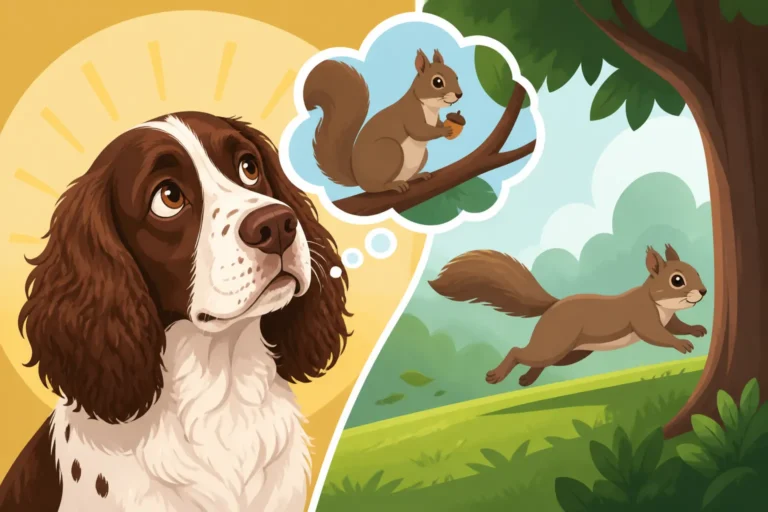
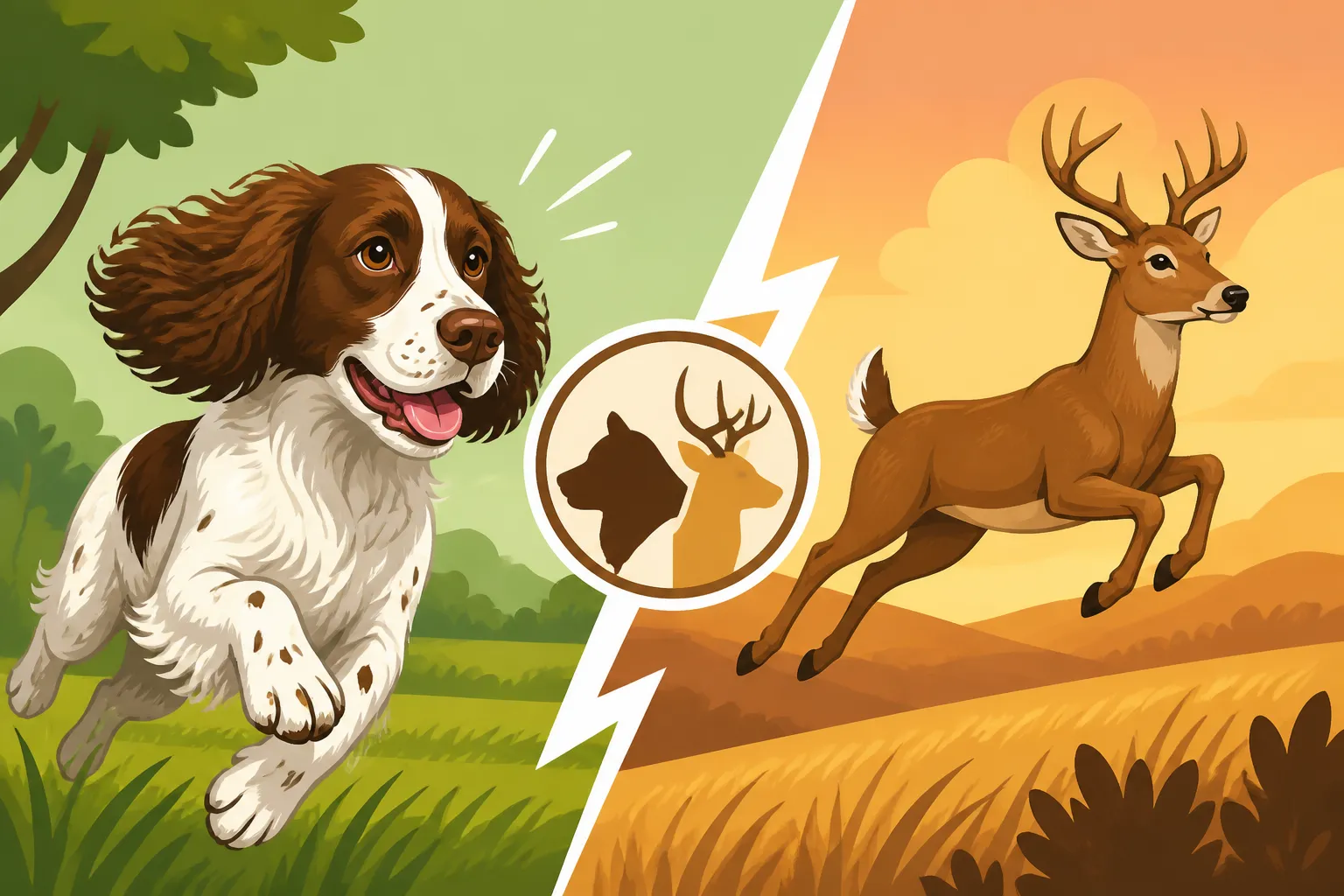
Let’s be honest, seeing a Springer Spaniel tear through the underbrush, nose to the ground, is a sight to behold. It's majestic, really. But when that focus is on a deer, it immediately shifts from admirable to alarming. The truth is, Springer Spaniels were literally bred for this kind of intense, scent-driven pursuit. They are gundogs, designed to "spring" game, often birds, from cover. Deer, with their scent, movement, and flight response, trigger that ancient wiring in a powerful way.
The Hunter's Heritage in Every Stride
Your Springer isn't being "naughty" when they chase a deer; they are simply fulfilling a deeply ingrained genetic program that has been passed down through generations. These dogs were developed to work independently, albeit within a certain range, to find and flush game. They have exceptional noses, incredible stamina, and a quick reaction time. When a deer bounds across their path, or even when they pick up a fresh scent trail, it’s not just an interesting distraction – it’s a siren call to their very core. They see the movement, register the scent, and their brain says, "Go! This is what you were made for!" It's a primal urge, almost irresistible for many. This is especially true for field-bred Springers, whose drive might be even more pronounced due to selective breeding for working ability. You might be interested in How a Field Bred Springer Spaniel Differs in Drive to understand this better.
Scent-Driven Over Sight-Driven
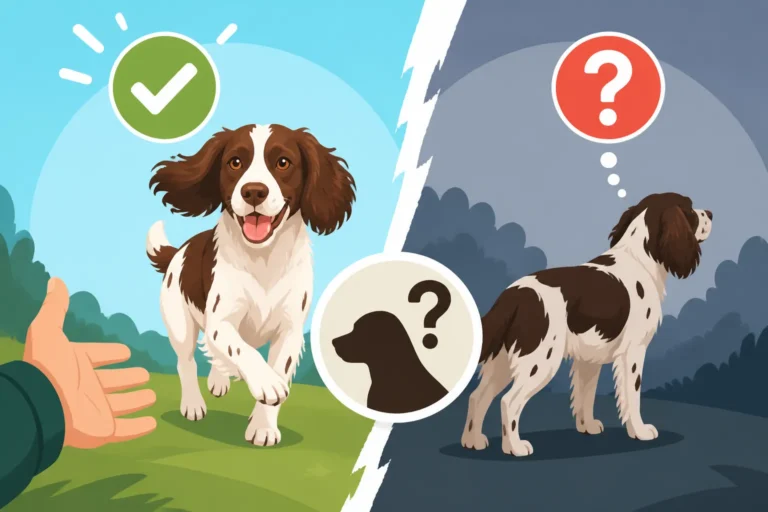
While deer provide both sight and scent triggers, for many Springers, it's the scent that truly overrides everything else. You might think your dog has amazing recall in an open field, but add a strong, fresh deer scent, and it's a whole new ballgame. Imagine walking your Springer on a leash, and they suddenly put their nose to the ground, pulling you along a scent trail you can't even perceive. That's their world. Their nose is their superpower, and deer leave a very compelling "story" on the ground. Once they latch onto that story, they enter a state of intense focus, often oblivious to your voice, even if you’re shouting yourself hoarse. This is why even a well-trained dog can seem to "switch off" when a deer is involved. Their ears often become secondary to their nose, and a high-value scent can make them seemingly ignore every command they've ever learned. For more on this, check out Why a Springer Spaniel Puts Its Nose to the Ground and Vanishes.
The Real Dangers: More Than Just a Lost Dog
While the immediate panic of a vanishing dog is terrifying enough, the act of a Springer Spaniel chasing deer carries a multitude of serious risks, both for your dog and potentially for others. It’s not just an inconvenience; it can be genuinely life-threatening.
Road Hazards and Disorientation
The most immediate and terrifying danger is that your Springer, consumed by the chase, will run headlong into traffic. They aren't looking for cars; they're looking for the deer. A busy road, a quiet country lane, or even a driveway can become a death trap in a split second. Beyond traffic, there's the risk of getting lost or disoriented. Deer can lead a dog miles from where they started, into unfamiliar territory. Forests, dense brush, or even complex urban areas can quickly disorient a dog who is normally great at finding their way home. They might jump fences, cross property lines, or even fall into ditches or bodies of water they wouldn't normally approach. A lost dog is a vulnerable dog, exposed to the elements, other animals, and dangerous human interactions. A GPS collar can be a lifesaver in these scenarios, and you can find many good options on platforms like Amazon. For more on this, consider Whether a Springer Spaniel Needs a GPS Collar.
Wildlife Encounters and Legal Ramifications
When your Springer chases a deer, they aren't just bothering a peaceful animal; they are actively engaging in a predatory act, even if they don't intend to harm the deer. This can lead to serious consequences. For starters, a deer, especially a doe with fawns or a buck, can turn and defend itself. A swift kick from a deer can cause severe injury or even death to a dog. Furthermore, chasing deer can lead your Springer into encounters with other wildlife, such as coyotes, wolves, or even bears in some regions, which can also result in dangerous confrontations.
On the legal side, many areas have strict laws regarding dogs harassing wildlife. You could face fines, or your dog could even be seized. Farmers or landowners might have the right to protect their livestock or property from dogs perceived as a threat. This isn't just about deer; the strong prey drive that makes them chase deer could extend to other animals, leading to similar issues. It’s a responsibility we take on as dog owners to ensure our pets are not a menace to wildlife or property.
| Risk Category | Specific Dangers for Your Springer Spaniel | Potential Consequences for Owner |
|---|---|---|
| Physical Safety | Traffic accidents, falls, injuries from deer kicks | Veterinary bills, emotional distress, loss of pet |
| Environmental | Getting lost, exposure to harsh weather, encounters with other predators (coyotes) | Prolonged search efforts, distress |
| Legal/Ethical | Harassing wildlife, trespassing on private property | Fines, legal action, dog seizure, damaged reputation |
| Training Backlash | Reinforcement of undesirable behavior, erosion of recall training | Further difficulty in off-leash training, constant anxiety |
Proactive Measures: Training and Management to Prevent Deer Chasing
Preventing deer chasing is a multi-faceted approach that combines diligent training with smart management strategies. You can’t simply "train out" a deep-seated instinct, but you can certainly teach your Springer to defer to you and make better choices, even in the face of strong temptations.
Mastering Recall and Impulse Control
The single most important skill your Springer needs is a rock-solid recall. This means they drop everything and come back to you, no matter what. This isn't just about practicing in your living room; it needs to be proofed in increasingly distracting environments. Start in a quiet area with high-value treats and gradually introduce more distractions. Work on calling them away from exciting toys, other dogs, and then eventually, scents. The goal is for "come" to be the most rewarding thing they can do. Consider a specialized online course, such as those offered by BAXTER & Bella, which often break down complex behaviors like recall into manageable steps, focusing on positive reinforcement and building a strong foundation.
Alongside recall, impulse control is crucial. Teach your dog "leave it" and "wait" with food and toys, then generalize it to other exciting things. These commands teach your Springer to disengage from something desirable until you give permission. This builds the mental muscle they need to resist the urge to chase. Consistency is key here. Every time you allow them to ignore a command, you weaken its power. You want to make sure your Springer believes that listening to you always leads to something better. A Whether a Springer Spaniel's Recall Can Be Trusted resource could provide more detailed techniques.
Leash Management and Long Lines
Until your Springer's recall is absolutely infallible in the face of high prey drive, they should be on a leash or a long line in any area where deer might be present. A 20-foot or 30-foot long line, available readily on Amazon, gives them a sense of freedom to explore scents but keeps you in control. It allows you to practice recall at a distance while still being able to physically intervene if they ignore your command.
It's also essential to be hyper-vigilant. Scan your environment constantly. Look for deer signs, tracks, or even just areas where deer are known to frequent. If you spot a deer before your Springer does, you have a critical advantage. You can then redirect their attention with a high-value treat, engage them in a game, or simply change direction. Always err on the side of caution. It's far better to keep them on leash when you're unsure than to regret letting them off. This proactive approach is a cornerstone of responsible dog ownership, especially with a breed as driven as a Springer. The Daily Routine a Springer Spaniel Actually Needs can help integrate these practices.
Reining It In: What to Do When the Chase Happens
Even with the best training and management, a Springer Spaniel's instincts are powerful, and sometimes, a chase will happen. Knowing how to react in the moment, and more importantly, how to follow up, can make a significant difference.
Emergency Recall and Intervention
If your Springer takes off after a deer, your immediate goal is to get them back safely. This is where your emergency recall command comes into play – a special, super-high-value word or whistle command you only use in critical situations, backed by the absolute best treats or toys. If you've been consistent, this might be your best bet. Shout it once, clearly and with urgency. Don't repeat it endlessly, as it dilutes its power.
If they're still in sight and within range, you might try to cut off their path or use a loud, unusual noise to break their focus – a sharp clap, a whistle blast, or even yelling their name in a specific, unique tone. However, be cautious not to chase them, as this often just makes it a fun game for them and can push them further away. If you have a training e-collar, and have properly introduced and conditioned it, this is a situation where it might be used as a last resort to gain their attention. But remember, an e-collar is a communication tool, not a punishment device, and should only be used by experienced handlers who understand proper conditioning. For more nuanced advice on this, you can refer to Whether an Electronic Collar Belongs on a Springer Spaniel.
Post-Chase Protocols and Prevention Reinforcement
Once your Springer eventually returns (and they usually do, albeit sometimes after a lengthy adventure), avoid punishment. They won't connect your anger to the chase; they'll only associate it with your return. Instead, calmly leash them, reward them for returning, and then calmly assess the situation. Your primary reaction should be relief and gentle re-engagement, not scolding.
The critical work begins after the chase. Analyze what went wrong: Was your recall not strong enough? Were you not paying enough attention? Was the environment too stimulating? This incident is a clear signal that you need to re-evaluate your training and management plan. Double down on impulse control, recall practice, and leash work in high-distraction areas. This might mean going back to basics with a long line in open fields or working with a professional gundog trainer who understands prey drive in breeds like Springers. They can offer tailored strategies and help you build a more reliable connection with your dog, even when instinct kicks in. Consistent practice, even when it feels redundant, is the only way to build that trust.
Disclaimer
This article is for general informational purposes only and does not constitute professional advice. Laws, prices and regulations vary by location and change over time. Consult a qualified professional for guidance on your specific situation.