How Many Ear Infections a Springer Spaniel Averages a Year
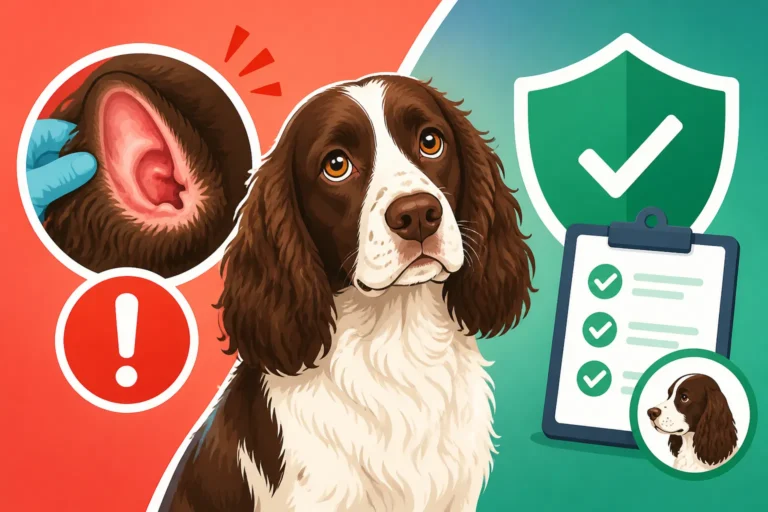
If you're a Springer Spaniel owner, you know the frustration: those adorable, floppy ears are magnets for trouble. It often feels like you're constantly battling an infection, and you might be wondering just how common this is and if your experience is normal. This guide will dive deep into why these wonderful dogs are so prone to ear issues, what you can realistically expect in terms of frequency, and how to best manage these recurring nuisances.
Why Springer Spaniels Are Prone to Chronic Ear Issues
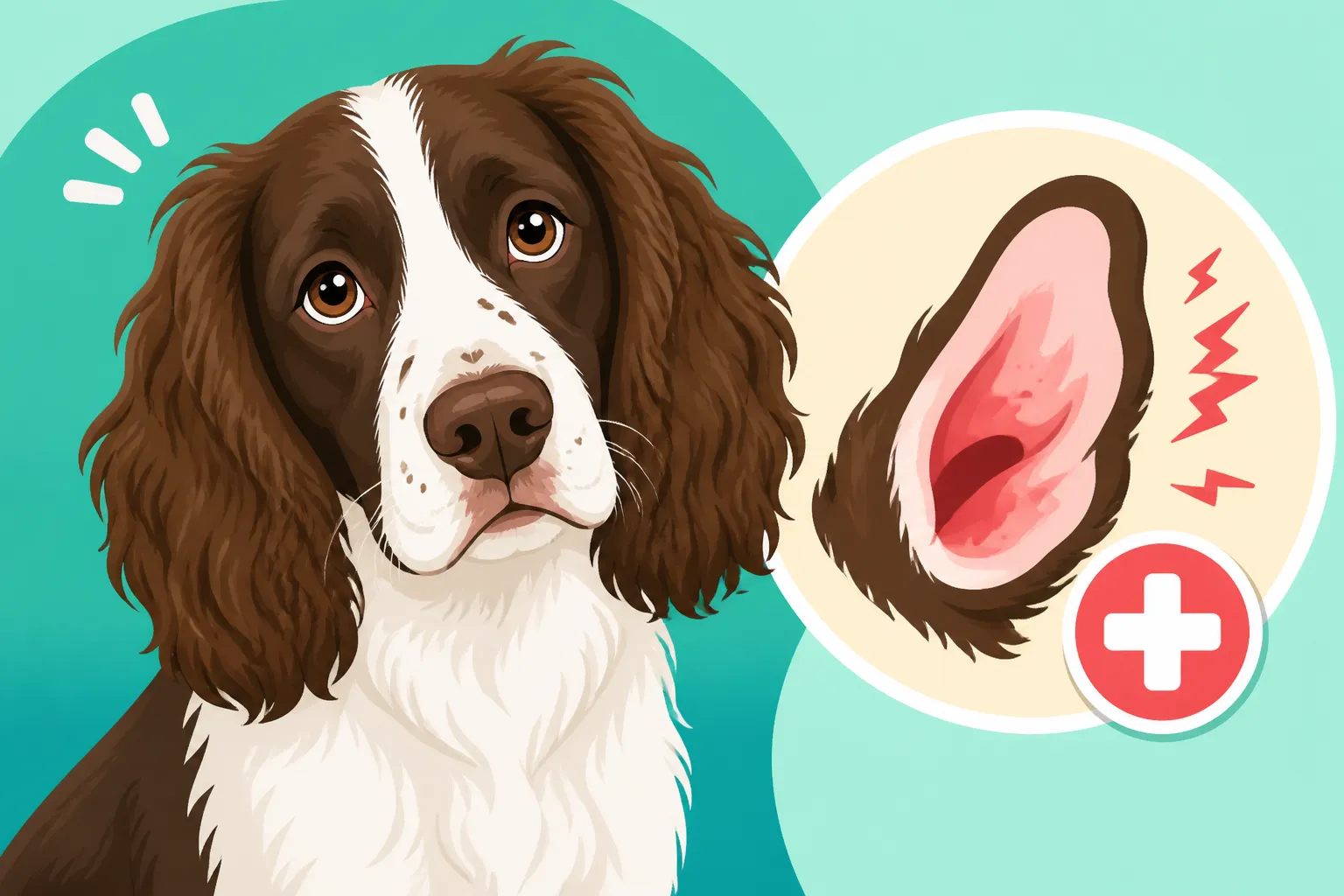
Let's be honest, those long, luxurious ears are one of the most endearing traits of a Springer Spaniel. But from a health perspective, they're a bit of a design flaw. Unlike breeds with pricked ears that allow for plenty of air circulation, a Springer's ears hang down, creating a warm, dark, and often moist environment. This is pretty much a five-star hotel for yeast and bacteria to set up shop. It's not just their shape, though; there are several factors that stack the deck against a Springer Spaniel's ear health.
The Anatomy of a Springer's Ear Canal
The shape of a Springer Spaniel's ear canal itself contributes significantly to their predisposition to infections. Their ear canals are L-shaped, meaning they have a vertical canal and then a horizontal canal. This bend makes it incredibly difficult for debris, moisture, and wax to drain naturally. Imagine trying to drain water from a bent pipe – it just sits there. This design, coupled with the heavy, floppy ear leather that covers the opening, effectively seals off the canal from fresh air. The reduced airflow and trapped moisture create an ideal breeding ground for microbial overgrowth. It's a constant uphill battle, and it's why many owners feel like their dog's ears are Why a Springer Spaniel's Ears Are Never Quite Healthy.
Furthermore, many Springer Spaniels, especially those with thicker coats, have hair growing inside their ear canals. This hair can trap even more debris and wax, creating additional blockages and further reducing ventilation. Some owners and groomers opt to pluck this hair, but this can also cause irritation and microscopic trauma, which, paradoxically, can open the door to more infections if not done carefully or if the dog has sensitive skin. It’s a delicate balance trying to keep things clean without causing more problems.
Lifestyle Factors That Contribute to Ear Infections
Beyond their inherent anatomy, a Springer Spaniel's active lifestyle often exacerbates their ear problems. These are dogs bred to work in the field, often plunging through dense undergrowth, swimming in ponds and rivers, and generally getting into all sorts of mucky situations. Each of these activities can introduce new irritants or moisture into those already vulnerable ear canals.
Think about a hot summer day after a long swim in the lake. While other dogs might shake their heads and have their ears dry out relatively quickly, a Springer's floppy ears hold that moisture in. This damp warmth is prime real estate for bacteria and yeast. Even just running through tall, dewy grass can be enough to get those canals moist. Then there's the debris – seeds, burrs, grass awns – that can easily find their way into the ear canal, causing irritation or even perforating the eardrum. It’s a constant worry for working dog owners, but even a pet Springer who enjoys splashing in puddles or the occasional dip can face these issues. Drying a Springer Spaniel's Ears After Swimming is a crucial part of prevention.
Underlying Health Conditions: The Allergy Connection
While anatomy and lifestyle certainly play a huge role, a significant number of Springer Spaniels suffer from recurring ear infections due to underlying allergies. It's a heartbreaking cycle: the dog gets an infection, it's treated, only for another one to pop up a few weeks or months later. Often, owners focus solely on treating the infection itself, without realizing that the dog's body is creating the perfect inflammatory environment for those infections to thrive.
These allergies can be environmental, like pollen, dust mites, or molds, or they can be food-related. When a Springer Spaniel has allergies, their skin barrier is compromised, leading to inflammation and excessive wax production in the ears, among other symptoms like itchy paws or skin rashes. This inflamed, waxy ear canal is, once again, a perfect breeding ground. It's estimated that How Often Allergies Drive a Springer Spaniel's Ear Disease is quite high. If your Springer seems to get ear infections constantly, your vet might suggest investigating allergies as the root cause, which can involve diet trials or dermatology referrals. Sometimes, simply switching to a different food from brands like Ollie or specialized veterinary diets available through Chewy can make a world of difference for dogs with food sensitivities.
The Reality of Recurring Ear Infections: What Owners Can Expect
So, how many ear infections can a Springer Spaniel owner actually expect in a year? The truth is, there's no single "average" number, because it varies wildly based on individual genetics, lifestyle, and how proactive an owner is. However, it's safe to say that for many, it's not a matter of if but when an infection will strike, and how often it will recur.
The Frustrating Cycle of Treatment and Recurrence
Many Springer Spaniel owners report dealing with ear infections several times a year. For some, it might be two or three mild infections that clear up with a week of ear drops. For others, it can be a constant battle, with one infection barely clearing before another flares up, sometimes affecting both ears simultaneously. This can mean four, five, or even more infections within a single year. It’s incredibly disheartening, not to mention expensive and time-consuming.
You'll likely become an expert at spotting the subtle signs: a little more head shaking than usual, a scratch at the ear, a slight odor, or a change in the color of the ear wax. You might find yourself reaching for the ear cleaner multiple times a week, just trying to keep things under control. The frustration often stems from feeling like you're doing everything right, but the problem just keeps coming back. This frequent recurrence is why many owners eventually look into What Treating a Springer Spaniel's Ear Infection Costs over the long term, and realize it really adds up.
| Stage of Ear Issue | Frequency | Common Signs | Typical Owner Response |
|---|---|---|---|
| Normal Maintenance | Weekly to Bi-weekly | Clean, minimal wax, no odor | Routine cleaning with appropriate solution |
| Minor Irritation | 2-3 times/year | Slight redness, increased wax, mild scratching | Increased cleaning, close monitoring, possible OTC drops |
| Mild Infection | 1-3 times/year | Redness, odor, dark discharge, head shaking | Vet visit, prescribed medicated ear drops |
| Moderate to Severe Infection | 1-2 times/year | Significant pain, swelling, yellow/green discharge, strong odor, lethargy | Urgent vet visit, strong antibiotics/antifungals, pain meds |
| Chronic Recurring Infection | 3+ times/year | Persistent symptoms, thickening of ear canal, resistance to treatment | Dermatology referral, allergy workup, long-term management |
The Financial Strain of Chronic Ear Issues
Let's talk about the elephant in the room: the cost. Each vet visit for an ear infection typically involves an exam fee, possibly an ear cytology (looking at a sample under a microscope to identify bacteria or yeast), and then the cost of medicated ear drops or oral antibiotics. These costs can quickly accumulate, especially if your dog is experiencing multiple infections per year. What a Springer Spaniel's Ear Cytology Costs alone can be a significant part of the bill.
If allergies are suspected, add in the cost of specialized diets, allergy testing, or ongoing allergy medications. In severe, chronic cases where the ear canal becomes severely scarred and narrowed, surgery might even be recommended, which is a major expense. Many owners quickly learn that What Chronic Ear Disease Costs a Springer Spaniel Owner is substantial over the dog's lifetime. This is where pet insurance, like plans offered by Healthy Paws, can become a real lifeline, though it's important to understand policy details, especially around Whether a Springer Spaniel's Ear Disease Becomes Pre Existing.
Managing and Preventing Ear Infections in Springer Spaniels
While you can't change your Springer's ear anatomy, you can absolutely be proactive in managing and preventing ear infections. It’s all about consistency, vigilance, and knowing when to call in the professionals.
Establishing a Regular Ear Cleaning Routine
A consistent ear cleaning routine is your first line of defense. For most Springer Spaniels, especially those prone to infections, a weekly or bi-weekly cleaning is a good baseline. However, if your dog is particularly active in water or prone to wax buildup, you might need to clean more frequently, perhaps even every few days. The goal isn't just to clean away visible dirt but to create an environment that's less hospitable to microbes.
You'll want to use a veterinary-approved ear cleaner. Your vet can recommend one that's suitable for your dog's specific needs – some are designed for waxy ears, others for general maintenance. Avoid using harsh chemicals, alcohol-based solutions, or home remedies like vinegar unless specifically advised by your vet, as these can irritate the delicate ear canal lining. When cleaning, gently squeeze the solution into the ear canal until it's full, massage the base of the ear for 20-30 seconds to help break up debris, then allow your dog to shake their head. Finally, wipe away any expelled solution and debris from the outer ear with a cotton ball or soft cloth. Never use cotton swabs deep inside the ear canal, as this can push debris further in or damage the eardrum. For more detailed advice, check out How Often a Drop Eared Springer Spaniel Needs Cleaning. You can often find a good selection of ear cleaners and other pet essentials on Chewy.
Drying Ears After Water Exposure
For a water-loving Springer Spaniel, drying the ears thoroughly after any water exposure is paramount. Whether it's a swim in the pool, a dip in the lake, or even a rainy walk, those ears need attention. Simply wiping the outer flap isn't enough; you need to address the inner canal.
After your Springer enjoys some water time, gently fold back their ear flap and use a soft towel or a cotton ball to absorb as much moisture as you can from the visible part of the ear canal. You can also use a specialized ear-drying solution, which often contains agents that help evaporate moisture and acidify the ear canal, making it less appealing for yeast and bacteria. Again, your vet can recommend a safe and effective product. Make this a part of your post-swim ritual, just like checking for burrs or ticks. It might seem like a small step, but it can significantly reduce the incidence of moisture-related infections.
Addressing Underlying Allergies
If you suspect allergies are driving your Springer's recurring ear infections, working with your vet or a veterinary dermatologist is crucial. Simply treating infection after infection without addressing the root cause is like patching a leaky roof without fixing the hole – the problem will just keep coming back.
Diagnosis can involve elimination diet trials for food allergies (which can take 8-12 weeks and require strict adherence), or intradermal skin testing or blood tests for environmental allergies. Once identified, management might include:
- Dietary changes: Switching to a novel protein or hydrolyzed protein diet.
- Antihistamines or steroids: To manage flare-ups and reduce inflammation.
- Allergy injections (immunotherapy): Tailored vaccines that gradually desensitize your dog to specific environmental allergens.
- Specialized shampoos and topical treatments: To support skin health and manage itching.
It's a process, and it requires patience, but finding the right allergy management plan can drastically reduce the frequency and severity of ear infections. Brands like Ollie offer fresh food options which some owners find beneficial for dogs with sensitivities, and Chewy carries a wide range of limited-ingredient and prescription diets.
When to Seek Veterinary Help and What to Expect
While diligent home care can go a long way, knowing when to bring your Springer Spaniel to the vet is vital. Don't try to "wait it out" or self-diagnose severe infections; they can be incredibly painful and, if left untreated, can lead to serious complications.
Recognizing the Signs That Warrant a Vet Visit
It's easy to get complacent with ear issues, especially if your dog has had many before. However, certain signs should always prompt a visit to your veterinarian:
- Increased pain or sensitivity: Your dog flinches, cries, or pulls away when you touch their ear.
- Severe redness and swelling: The ear flap or inside the canal looks significantly inflamed.
- Persistent head shaking or ear scratching: More than usual, or if it seems compulsive.
- Foul odor: A strong, yeasty, or pus-like smell emanating from the ear.
- Abnormal discharge: Yellow, green, or thick, dark discharge. Signs a Springer Spaniel Has an Ear Infection can vary, but these are key indicators.
- Changes in behavior: Lethargy, loss of appetite, or general irritability due to discomfort.
- Changes in ear canal appearance: The ear canal appears narrowed or thickened.
- Ineffectiveness of previous treatments: If an infection returns quickly after treatment or doesn't respond to drops.
The Veterinary Diagnostic and Treatment Process
When you take your Springer Spaniel to the vet for an ear infection, they will perform a thorough examination. This usually includes looking into the ear canal with an otoscope to assess the eardrum and the extent of the infection. They will almost certainly take a swab of the ear discharge for a cytology, which means examining the sample under a microscope to identify whether yeast, bacteria (and what type), or both are present. This step is crucial because different microbes require different medications. Sometimes, if the infection is particularly severe or chronic, a culture and sensitivity test might be done to determine the exact bacteria and which antibiotics will be most effective.
Treatment typically involves:
- Thorough ear cleaning at the clinic: Often done under sedation if the ear is very painful.
- Medicated ear drops: These usually contain a combination of antibiotics, antifungals, and anti-inflammatories. You'll likely need to administer these at home for a week or two. What Medicated Ear Drops Cost for a Springer Spaniel will depend on the specific medication and duration.
- Oral medications: In some cases, oral antibiotics or anti-inflammatory drugs might be prescribed, especially if the infection is deep-seated or if the dog is very painful.
- Pain management: Your vet might prescribe pain relief to keep your dog comfortable during recovery.
It's incredibly important to follow your vet's instructions precisely and complete the entire course of medication, even if the ear looks better after a few days. Stopping early can lead to a resurgence of the infection and create resistant strains of bacteria. A follow-up visit is often recommended to ensure the infection has fully cleared.
Addressing Complications and Advanced Treatments
In cases of severe, chronic, or recurrent ear infections, complications can arise. The ear canal can become so inflamed and scarred that it permanently narrows, making it impossible for medications to reach the affected areas and for air to circulate. This is called End-Stage Ear Disease. If medical management repeatedly fails, or if the dog is in constant pain, your vet might discuss more aggressive options.
One such option is a Total Ear Canal Ablation (TECA). This surgical procedure involves removing the entire ear canal, leaving only the external ear flap. While it sounds drastic, it can be a life-changing solution for dogs suffering from debilitating chronic infections, as it eliminates the source of the problem. This is a specialized surgery and certainly comes with a significant cost. What Ear Surgery Costs a Springer Spaniel Owner is an important consideration for many. Again, having pet insurance like Healthy Paws can help cover a portion of these unexpected, high-cost procedures.
The journey with a Springer Spaniel's ears can be challenging, but with proper care and veterinary partnership, you can keep your beloved companion comfortable and happy.
Disclaimer
This article is for general informational purposes only and does not constitute professional advice. Laws, prices and regulations vary by location and change over time. Consult a qualified professional for guidance on your specific situation.