What Hand Stripping a Springer Spaniel Costs
For many English Springer Spaniel owners, especially those with the glorious, flowing coats of the show-bred lines, maintaining that signature look can feel like a full-time job. You might adore their beautiful feathering and rich colors, but you also know the struggles of keeping mats at bay and that dead undercoat from turning their luxurious locks dull and unruly. This guide aims to pull back the curtain on one of the most effective, yet often misunderstood, grooming techniques: hand stripping, and what it truly costs, both in time and money.
What Exactly Is Hand Stripping and Why Do Springer Spaniels Need It?
When you first hear "hand stripping," it might sound a bit intense, perhaps even painful. Rest assured, when done correctly, it’s anything but! It’s an art form of grooming that is absolutely essential for maintaining the correct coat texture and health of many double-coated breeds, including our beloved English Springer Spaniels, particularly those bred for the show ring. Without it, their coats can lose their vibrant color, become soft, and even lead to skin issues.
The Unique Double Coat of a Springer Spaniel Show Type
Our Springers, especially the show lines, are blessed with a magnificent double coat. This isn't just one type of hair; it's a clever combination designed for protection and beauty. They have a harsh, weather-resistant outer coat that provides a natural barrier against the elements, protecting them whether they're flushing game in dense cover or simply prancing through your backyard on a misty morning. Beneath that lies a softer, dense undercoat, which acts as insulation, keeping them warm in winter and helping to regulate their temperature in summer.
This dual-layer system is precisely why hand stripping is so crucial. Unlike breeds with single coats, the Springer’s outer guard hairs have a distinct growth cycle. They grow to a certain length, mature, and then die, eventually loosening in the follicle. If these dead hairs aren't removed, they essentially get stuck, preventing new, healthy, harsh guard hairs from growing in. This leads to a soft, woolly, dull coat that no longer offers proper protection or displays the breed's characteristic rich colors and textures.
When you clip a Springer Spaniel's coat with clippers, you’re cutting both the harsh outer coat and the soft undercoat to the same length. This seems like an easy fix, but what often happens is that the soft undercoat grows back faster and softer, dominating the outer coat. Over time, the coat becomes increasingly soft, loses its vibrant color, and can even develop skin problems because the natural shedding process is interrupted, and air cannot circulate properly through the dense, dead undercoat. It essentially ruins the natural texture and function of that beautiful coat.
The Purpose and Process of Hand Stripping
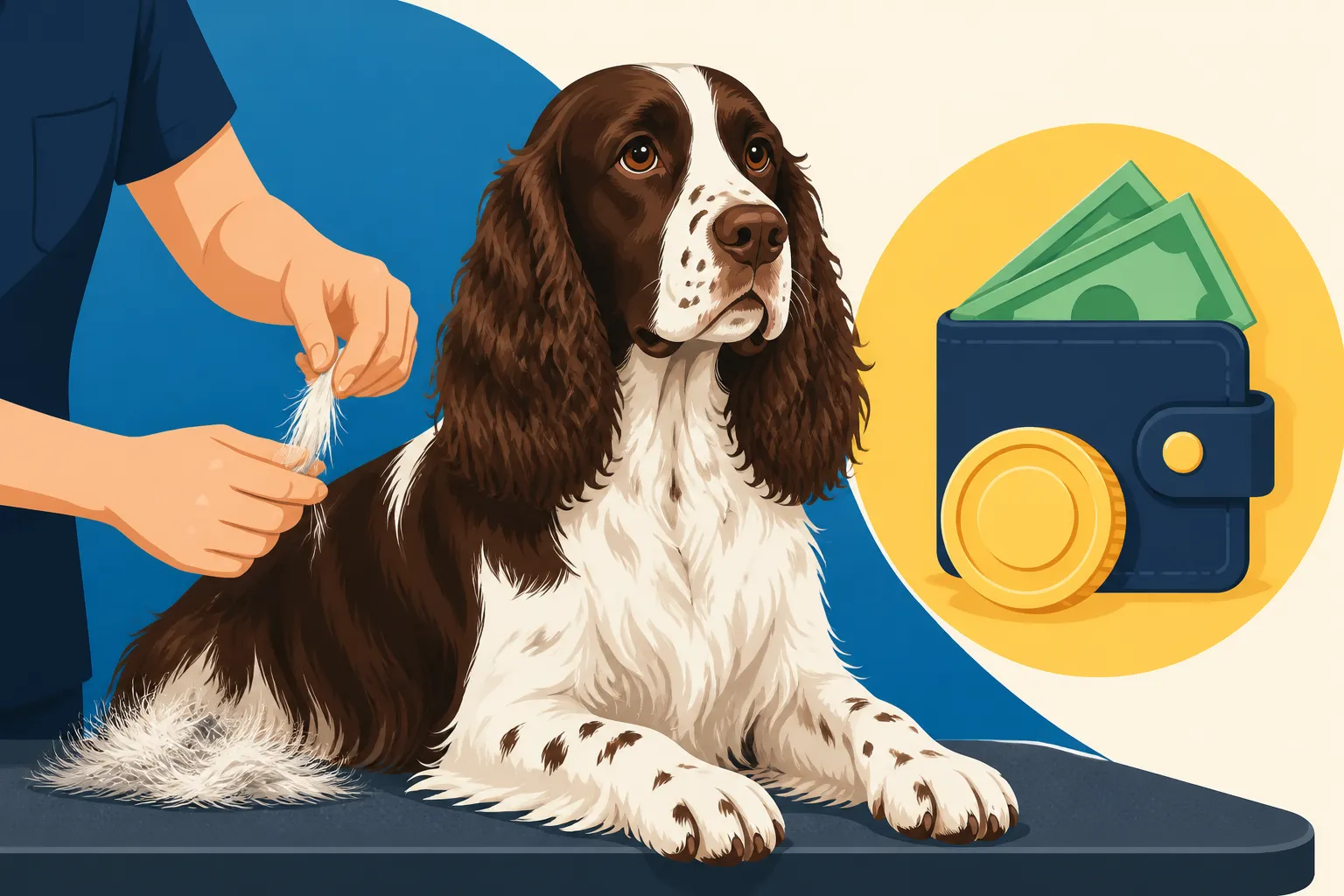
Hand stripping is the meticulous, manual removal of these dead, loose outer guard hairs from the follicle. It’s done using special stripping knives or even just fingers, gently plucking out the hair that is ready to come out. Think of it like a controlled, assisted shedding process. Because the hair being removed is already dead, it doesn't hurt the dog when done correctly. If a groomer pulls hair that isn't ready, your dog will let them know!
The primary purpose of hand stripping is to preserve the natural harsh texture, color, and protective qualities of the Springer Spaniel's outer coat. By removing the dead hair, you make way for a new, healthy outer coat to grow in, maintaining that crisp, rich appearance that is so admired in the breed standard. This technique helps define muscle structure and highlights the elegant lines of a well-bred Springer, making it indispensable for show dogs and many discerning pet owners who appreciate the traditional look.
The process itself is quite detailed. It's not a quick shave. A skilled groomer will work section by section, carefully assessing the coat, feeling for the texture, and identifying the dead hair that needs to be plucked. It takes a keen eye and a gentle touch, as well as a thorough understanding of the breed's coat characteristics. This isn't something you can rush; it requires patience from both the groomer and the dog. Regular stripping helps keep the coat "rolled," meaning there's always a new layer coming in, maintaining a consistent, healthy texture.
The Time and Skill Investment Involved
It probably goes without saying, but hand stripping is incredibly labor-intensive. Imagine carefully plucking thousands of individual hairs, one small clump at a time, over your entire dog's body. It's not a job for the faint of heart, or for someone who is short on time. A full hand strip on a well-coated Springer Spaniel can take anywhere from three to six hours, sometimes even longer, depending on the dog's size, coat condition, and cooperation level. This considerable time commitment is a major factor in why the cost is higher than a typical clip.
Beyond the sheer time, there's a significant skill component. A professional hand stripper isn't just pulling hair; they are sculpting the coat, shaping it to enhance the dog's conformation, and ensuring the health of the skin underneath. They know how much hair to take, where to blend, and how to avoid irritating the skin. This expertise comes from years of practice, often apprenticeship, and a deep understanding of canine anatomy and coat types. A novice could easily pull live hair, irritate the skin, or create an uneven, patchy look.
For a true show dog, maintaining the proper coat through hand stripping is non-negotiable. It's an investment in their overall presentation and health. Even for pet owners, choosing to hand strip rather than clip can mean a healthier, more vibrant coat and fewer skin issues in the long run. The groomer is essentially an artist, using their hands and specialized tools to reveal the natural beauty of your Springer. This high level of expertise and dedicated time is precisely why you'll see a premium price tag for this service.
Factors Influencing the Cost of Hand Stripping a Springer Spaniel
When you start looking into hand stripping for your Springer, you'll quickly notice that prices aren't uniform. Just like with any specialized service, several variables come into play that can significantly impact the final bill. Understanding these factors will help you prepare your budget and make an informed decision about your dog's grooming needs.
Geographic Location and Local Market Rates
One of the biggest factors influencing the cost of hand stripping is where you live. Grooming prices, like many service costs, are often tied to the local economy. In major metropolitan areas with a higher cost of living, you can expect to pay significantly more for hand stripping than you would in a smaller town or rural community. Think about the difference in prices for a haircut for yourself in New York City versus a small town in Iowa; dog grooming is no different.
For instance, a specialized groomer in a bustling city known for dog shows or a high concentration of purebred enthusiasts might charge a premium due to high demand and overhead costs. Conversely, a skilled groomer operating out of a home-based salon in a more rural setting might offer more competitive rates. It’s always a good idea to call around to a few different establishments in your area to get a sense of the average rates. Don't be shy about asking for an estimate, but also be prepared for a range, as factors beyond location play a role.
The availability of specialized groomers also plays a part. Hand stripping is a niche skill, and not every groomer offers it, or offers it to the same standard. If there are only a handful of qualified hand strippers in your region, their prices will naturally reflect that scarcity and their specialized expertise. This can sometimes mean traveling a bit further to find a groomer who fits your budget and skill expectations.
The Groomer's Experience and Specialization
Just as you wouldn't trust a novice to perform intricate surgery, you wouldn't want someone inexperienced attempting to hand strip your beloved Springer's coat. The groomer's level of experience, their reputation, and their specific expertise with breeds like English Springer Spaniels are huge drivers of cost. A master groomer who has spent years perfecting their technique and regularly works with show dogs will undoubtedly charge more than someone new to the trade.
Many top hand strippers are highly sought after, perhaps even traveling to clients or teaching workshops. They understand the nuances of the breed standard and how to achieve that perfect, healthy coat. They can also often give you invaluable advice on at-home coat care. This level of expertise is particularly important for Springer Spaniels, whose coats, if not managed correctly, can quickly become an unruly mess, especially that famous feathering. It's why many owners prioritize finding a groomer who truly understands The Show Springer Spaniel Coat That Adds a Groomer to Your Budget.
It’s worth noting that some groomers might specialize in particular breeds or types of grooming, and a groomer with specific Springer Spaniel stripping experience will be more efficient and achieve better results. They will know the proper patterns and areas of the coat to strip, and how to "roll" the coat for continuous optimal growth. When interviewing groomers, don't hesitate to ask about their experience with Springer Spaniels, look at their portfolio if they have one, and ask for references. The peace of mind that comes with a skilled professional is often worth the extra investment.
Your Springer Spaniel's Coat Condition and Temperament
Your dog himself has a significant impact on the price. Let's be honest, some Springers are born with more coat than others, and some are just naturally more cooperative on the grooming table. A Springer with an exceptionally dense coat or one that has been neglected and is heavily matted will require considerably more time and effort to hand strip. Mats have to be carefully worked out before stripping can even begin, which adds both time and potential discomfort for your dog, hence increasing the cost.
Similarly, a dog with a difficult temperament—one that is anxious, squirmy, or even aggressive on the grooming table—will also take longer to groom. Groomers prioritize safety and comfort for both themselves and your pet, so they will take extra time to work patiently and gently with a challenging dog. This extended time translates directly to a higher fee. It's why early socialization and positive reinforcement training, even for simple handling, can save you money in the long run. If your dog is particularly anxious, discuss this with your groomer beforehand; some may charge an additional handling fee or require a veterinarian's involvement for sedation in extreme cases.
Think about it from the groomer's perspective: it's a physically demanding job. Standing for hours, working with intricate details, and potentially dealing with a wiggly or unhappy dog is taxing. A well-maintained coat, free of mats, and a cooperative dog make their job easier and faster, which in turn can keep your costs down. This highlights the importance of regular brushing and basic coat maintenance between professional grooming appointments. Even a simple daily brush with a good slicker brush from a retailer like Chewy can make a world of difference.
Frequency of Stripping and Maintenance Schedule
The regularity of your Springer Spaniel's hand stripping appointments also plays a role in the cost. If your dog is on a consistent, well-planned maintenance schedule, each session will likely be less expensive than if you only bring them in once or twice a year for a major overhaul. Regular "rolling" of the coat, where only a portion of the dead hair is removed at each visit, ensures the coat never gets too overgrown or matted.
For instance, if you bring your Springer in every 6-8 weeks for a light strip and tidy-up, the groomer is working with a coat that is in good condition. They're simply maintaining the existing work, which takes less time. However, if you wait six months to a year, the coat will be significantly thicker, potentially matted, and will require a full, extensive strip. This longer, more intensive session will naturally be priced higher. It's often more cost-effective in the long run to establish a regular grooming schedule, perhaps even a package deal with your chosen groomer, than to constantly play catch-up.
Discussing a maintenance plan with your groomer is crucial. They can advise you on the optimal frequency for your individual dog's coat type and lifestyle. For show dogs, the schedule might be even more rigorous to ensure they are always in peak condition. For pet owners, a slightly longer interval might be acceptable, but consistency is still key to managing the coat and preventing excessive costs from prolonged neglect. Remember, a healthy coat is a happy coat, and regular care, whether through stripping or simply diligent brushing at home, is part of responsible Springer Spaniel ownership.
Understanding the Price Structure: Hourly vs. Flat Rate and What's Included
When you're trying to budget for hand stripping, it's helpful to understand how groomers typically structure their fees. This isn't always a one-size-fits-all situation, and different groomers might approach pricing in various ways. Knowing the difference between hourly and flat rates, and what's generally included, can help you compare services more effectively.
Hourly Rates vs. Flat Fees
Many professional groomers, especially those specializing in labor-intensive services like hand stripping, opt for an hourly rate. This makes a lot of sense for hand stripping because the time involved can vary so widely based on the dog's coat condition, size, and temperament. An hourly rate ensures the groomer is fairly compensated for their time, whether your Springer's coat is pristine and takes three hours or is a matted challenge that requires five.
If a groomer charges hourly, they will usually give you an estimated range based on their experience with similar dogs. For example, they might quote "$X per hour, with an estimated time of 3-5 hours." This approach can be beneficial if your dog has a well-maintained coat and is cooperative, potentially leading to a lower overall cost if they finish faster than the maximum estimate. However, it can also lead to a higher bill if unforeseen issues arise or your dog is particularly challenging.
On the other hand, some groomers may offer a flat fee for hand stripping a Springer Spaniel. This might seem more predictable, as you know the exact cost upfront. However, groomers offering flat fees often build in a buffer for potential challenges, so the price might be on the higher side to account for worst-case scenarios. If your dog has an easy coat, an hourly rate might be more economical. It’s always worth asking about the pricing structure and clarifying what factors might cause the price to increase, even with a flat fee. For example, severe matting or extremely difficult behavior could still incur extra charges.
What a Typical Hand Stripping Session Includes
A professional hand stripping session is usually more than just plucking hair. It's a comprehensive grooming experience designed to send your Springer Spaniel home looking and feeling their best. While specifics can vary, a typical session generally includes several key components:
- Preparation (Pre-strip bath and drying): Many groomers will give your Springer a bath before stripping, using specialized shampoos and conditioners designed to clean the coat without softening it too much. They'll then carefully dry the dog, often by hand, ensuring the coat is ready for stripping. However, some groomers prefer to strip a completely dry, even slightly dirty coat, as it can offer better grip for the hair. Always clarify their process.
- The Actual Hand Stripping: This is the main event, where the dead guard hairs are meticulously removed, often over several hours. The groomer will work to achieve the correct coat texture and a natural, even look.
- Detail Work and Tidy-Up: Once the main stripping is complete, the groomer will often use thinning shears or clippers in certain areas (like the throat, skull, or sanitary areas) to neaten up the look and create a seamless transition. They'll also trim the feathering on the legs, chest, and belly to the desired length.
- Nail Trim: Keeping your Springer's nails short is crucial for their comfort and paw health. This is almost always included.
- Ear Cleaning: Springer Spaniels are prone to ear issues due to their long, drop ears that trap moisture. Proper ear cleaning, often with a gentle ear solution, is a vital part of any grooming session to prevent infections. This is especially important considering Why a Springer Spaniel's Ears Are Never Quite Healthy.
- Paw Pad Trim: Hair between the paw pads can collect debris, lead to matting, and even cause slippage. Trimming this hair is usually part of the standard service.
It's a good idea to get a written or verbal breakdown of what's included in your groomer's quoted price. This prevents misunderstandings and ensures you know exactly what you're paying for.
| Service Component | Typically Included? | Notes |
|---|---|---|
| Hand Stripping | Yes | The core service of removing dead guard hairs. |
| Pre-Strip Bath & Drying | Often | Some groomers prefer to strip on a dry, slightly dirty coat for better grip; confirm their preference. |
| Nail Trim | Yes | Essential for paw health and comfort. |
| Ear Cleaning | Yes | Crucial for Springer Spaniels to prevent infections in their drop ears. |
| Paw Pad Trim | Yes | Keeps feet tidy and prevents matting/slippage. |
| Sanitary Trim | Yes | Necessary for hygiene. |
| Feathering Trim/Tidy-up | Yes | Shaping and evening out longer hairs on legs, chest, and belly with scissors or thinning shears. |
| De-matting | Often as an Add-on | If extensive, expect an extra charge due to the time and effort required. |
| Specialized Shampoos | Sometimes as an Add-on | Hypoallergenic, medicated, or specialty brightening shampoos might incur an extra cost. |
| Express Service | Often as an Add-on | If you need your dog groomed outside regular hours or need them done very quickly, expect a premium. |
| Special Handling | Often as an Add-on | For extremely anxious or aggressive dogs that require significant extra time or a second person. |
Potential Hidden Costs or Add-ons
While a standard hand stripping package usually covers the basics, there are a few situations that can lead to additional charges. Being aware of these can help you avoid surprises on your bill.
De-matting Fees: This is probably the most common add-on. If your Springer Spaniel arrives with significant matting, the groomer will need to spend considerable extra time carefully detangling or, in severe cases, safely shaving out the mats. This is not only time-consuming but can also be uncomfortable or even painful for your dog if not done gently. Most groomers charge an hourly de-matting fee on top of the stripping cost. This is a strong incentive to brush your dog regularly at home to keep their coat tangle-free.
Specialized Products: If your dog has specific skin sensitivities, allergies, or a veterinary-prescribed shampoo, the groomer might need to use specific products. While some basic specialty shampoos might be included, highly specific medicated or premium conditioning treatments might incur an additional cost. Always discuss any skin concerns or product requirements with your groomer in advance.
Difficult Dog Fees: As mentioned earlier, if your Springer is particularly anxious, fearful, or uncooperative, the groomer may charge an additional fee for "special handling." This compensates them for the extra time, patience, and techniques required to ensure a safe and less stressful experience for your dog. In extreme cases, if a dog is truly unmanageable or poses a risk, the groomer might decline the service or recommend a vet-supervised groom with sedation.
Rush or Off-Hours Appointments: If you need an appointment on short notice, outside of regular business hours, or require your dog to be picked up exceptionally quickly, some groomers might offer an "express" or "after-hours" service for an additional charge. These hidden costs aren't always negative, but it's crucial to clarify them upfront so there are no surprises when it's time to pay.
Cost Comparison: Hand Stripping vs. Clipping for a Springer Spaniel
When considering grooming options for your English Springer Spaniel, especially a show-bred line, you're essentially faced with two main paths: hand stripping or clipping. While hand stripping is generally more expensive upfront, understanding the long-term implications for your dog's coat and your wallet is key to making the best decision.
The Long-Term Aesthetic and Health Impact
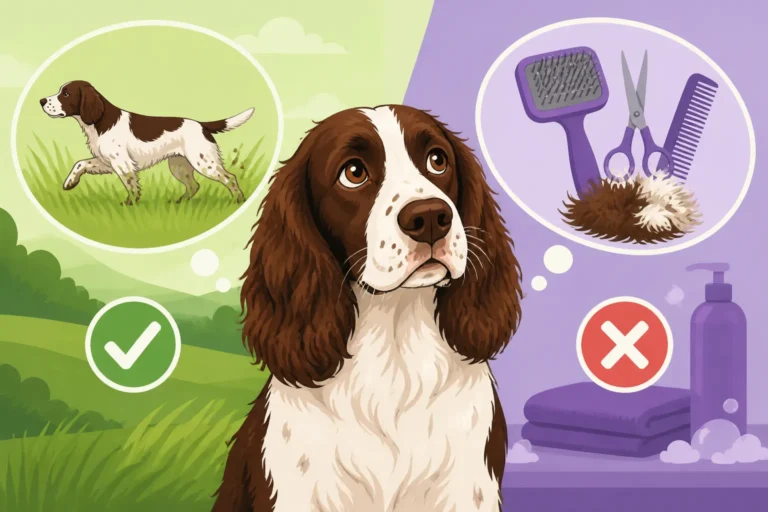
The most significant difference between hand stripping and clipping lies in their impact on your Springer Spaniel's coat. Hand stripping, as we've discussed, preserves the natural harsh texture, vibrant color, and water-resistant qualities of the outer coat. It encourages the growth of new, healthy guard hairs, maintaining the coat as it was naturally intended. This is vital for maintaining the distinctive look and protective function that makes a Springer a Springer. You'll notice the coat feels much coarser and sheds less, as the dead hair is manually removed before it falls out naturally around your house. If you're tired of seeing How Much a Springer Spaniel Sheds Into a House, stripping can help.
Clipping, while faster and initially cheaper, essentially cuts all the hairs—both the harsh outer coat and the soft undercoat—to the same length. Over time, this can fundamentally alter the coat's structure. The soft undercoat tends to grow back faster and thicker, often becoming dominant. The once harsh outer coat softens, loses its rich pigmentation, and can become dull and woolly. It also loses much of its natural weather resistance. Many owners notice their Springer's coat changes color or texture after repeated clipping, becoming much softer and often paler. For example, a black and white Springer might develop a duller, greyish tint to the black areas.
Beyond aesthetics, there are health implications. A stripped coat allows for better air circulation to the skin, potentially reducing the risk of skin irritations or hot spots, which can sometimes occur under a dense, clipped coat that traps moisture and dead hair. While clipping can be a practical choice for some pet owners who prioritize ease of maintenance over traditional appearance, especially for very old or infirm dogs, it's important to be aware of these long-term changes. For a truly healthy and breed-appropriate coat, hand stripping is the superior option, especially for How a Show Springer Spaniel's Coat Differs.
Financial Implications Over a Year
Let's talk numbers, but remember, these are conceptual shapes of costs, not specific figures. The initial cost of a single hand stripping session will almost always be higher than a single clipping session. A full hand strip could easily cost two to three times as much as a basic clip, sometimes even more, due to the time and skill involved.
However, consider the frequency. A hand-stripped coat, especially one that is "rolled" regularly, may not need full, intensive stripping as often as a clipped coat needs clipping to stay tidy. A clipped Springer Spaniel might need grooming every 4-6 weeks to prevent matting and maintain a reasonable length. A hand-stripped Springer, particularly if you maintain some of the feathering and perform light touch-ups at home, might only need professional stripping every 8-12 weeks for main body work, with shorter tidy-up sessions in between. So, while each stripping session is more expensive, you might actually have fewer full professional appointments over the course of a year.
Let's look at a hypothetical annual comparison:
| Grooming Method | Cost per Session (Conceptual) | Frequency per Year (Approx.) | Annual Cost (Conceptual) |
|---|---|---|---|
| Full Hand Strip | High (e.e. $XXX – $XXXX) | 4-6 times | High |
| Maintenance Strip | Medium (e.g. $XX – $XXX) | 6-8 times | Medium-High |
| Full Body Clip | Low (e.g. $X – $XX) | 8-12 times | Medium |
(Note: The 'High', 'Medium', 'Low' are relative to each other, illustrating the cost shape, not actual dollar amounts.)
As you can see, the "full hand strip" can add up if done very frequently, but a "maintenance strip" schedule might be more comparable to clipping over a year, once the initial investment in establishing a stripped coat is made. Additionally, if you perform home maintenance like regular brushing and careful trimming of feathering, you might extend the time between professional visits. Tools like quality thinning shears, which you can find on Chewy, are an investment that pays off in reduced groomer visits. These types of tools can be a significant upfront expense, as What Thinning Shears Cost a Springer Spaniel Owner can vary widely, but they are essential for at-home maintenance.
Is DIY Hand Stripping a Viable Option?
For the adventurous and dedicated Springer Spaniel owner, performing hand stripping at home can seem like an attractive way to save money. And yes, it is possible. However, it's crucial to be realistic about the learning curve, time commitment, and the tools required.
First, the learning curve is steep. Hand stripping is not intuitive. You need to understand coat growth patterns, how to use stripping knives correctly without cutting the hair or irritating the skin, and how to blend areas smoothly. Many experienced owners start by learning from a professional groomer, perhaps taking a class or shadowing them. There are plenty of online resources, but hands-on guidance is invaluable. The risk of doing it incorrectly is real: you could pull live hair (which hurts!), cause skin irritation, or end up with a patchy, uneven coat.
Second, the time commitment is substantial. Even for an experienced owner, hand stripping a Springer Spaniel can take hours. Are you prepared to dedicate 3-5 hours every few weeks or months to this task? If you have a busy schedule, this might be harder than you anticipate. You might find that the time saved by doing it yourself is quickly absorbed by the hours spent grooming.
Third, you'll need specialized tools. This isn't just a brush and some clippers. You'll need a good quality set of stripping knives (fine, medium, and coarse), a non-slip grooming table, possibly a grooming arm, and various combs and brushes. These tools represent an upfront investment. Retailers like Chewy offer a wide range of grooming supplies, but choosing the right stripping knives takes some research. What Clippers for a Springer Spaniel Cost might be a simpler initial purchase, but it won't achieve the same coat quality.
So, when does DIY hand stripping make sense? It's often a viable option for owners who:
- Are passionate about grooming and willing to dedicate the time to learn and practice.
- Have a dog that is cooperative and enjoys the attention.
- Are not aiming for top-level show quality, but want to maintain a healthier coat than clipping provides.
- Have already had their dog professionally stripped once or twice to establish the coat, making subsequent maintenance easier.
For most pet owners, a combination of professional stripping and diligent at-home brushing/tidying is the most practical and effective approach.
Budgeting for Your Springer Spaniel's Grooming Needs
Owning a Springer Spaniel, especially one from show lines, means embracing a certain level of grooming commitment. It's not just about aesthetics; it's about their health and comfort. Budgeting effectively for this aspect of their care is crucial for responsible ownership.
Incorporating Grooming into Your Overall Dog Budget
Think of grooming as an essential part of your dog's routine healthcare, right alongside vaccinations, quality food, and regular vet check-ups. It's not an optional luxury, particularly for breeds with coats like the Springer Spaniel that require specific care. Neglecting grooming can lead to painful matting, skin infections, ear problems, and discomfort, which will inevitably lead to more expensive veterinary bills down the line.
When creating your annual budget for your Springer, make sure to allocate a dedicated fund for grooming. This should include the cost of professional hand stripping (or clipping, if that's your choice), as well as supplies for at-home maintenance. Consider the full scope of What a Full Groom on a Show Springer Spaniel Costs over the year. Don't forget other regular expenses like What Ear Cleaner Costs a Springer Spaniel Owner Yearly or specialized shampoos, which can often be found conveniently through online retailers.
It's also wise to set aside an emergency fund or consider pet insurance like Healthy Paws. While pet insurance typically doesn't cover routine grooming, it can be invaluable if grooming-related issues, such as a severe ear infection (a common Springer ailment) or a difficult skin condition, escalate into a medical problem requiring veterinary attention. A healthy coat and skin are often indicators of overall health, and neglecting one can impact the other. High-quality dog food, such as that offered by Ollie, can also contribute to a healthier coat and skin, potentially reducing issues that make grooming more challenging.
Finding a Reputable and Affordable Groomer
Finding the right groomer for hand stripping your Springer Spaniel is paramount. You want someone skilled, trustworthy, and who genuinely cares for your dog. "Affordable" doesn't always mean "cheapest"; it means good value for money and consistent quality.
Here's how to go about it:
- Ask for Recommendations: Start by asking other Springer Spaniel owners, local breed clubs, your veterinarian, or reputable breeders for their recommendations. Word-of-mouth is often the best way to find excellent groomers.
- Check Reviews and Portfolios: Look online for reviews (Google, Yelp, Facebook). Many groomers also have websites or social media pages where they showcase their work. Look specifically for photos of Springer Spaniels or similar double-coated breeds.
- Interview Groomers: Don't be afraid to call or visit a few groomers. Ask about their experience with hand stripping Springer Spaniels, their process, their pricing structure, and what's included. Ask to see their facilities. A good groomer will be happy to answer your questions and transparent about their services.
- Consider a Trial Session: For an adult dog, you might start with a smaller, less costly service, like a bath and tidy-up, to see how your dog interacts with the groomer and how you feel about their work. For puppies, early positive experiences with a gentle groomer are crucial.
Remember, the relationship with your groomer is a partnership in maintaining your dog's well-being. A great groomer will communicate with you, offer advice, and prioritize your dog's comfort and safety.
Maximizing Value and Saving Money
While hand stripping is an investment, there are ways to maximize its value and potentially save some money in the long run without compromising your Springer's coat quality.
- Consistent Home Care: This is probably the biggest money-saver. Regular brushing (daily or every other day) prevents mats, removes loose hair, and keeps your Springer's coat in good condition between professional appointments. The less time your groomer spends de-matting or working through neglected hair, the less you pay. Invest in good quality brushes and combs from Chewy and learn how to use them effectively on your Springer's specific coat type, paying special attention to the longer feathering on their legs and belly.
- Stick to a Schedule: As discussed, regular maintenance stripping is almost always less expensive than waiting until the coat is completely overgrown. Work with your groomer to establish a consistent schedule that works for both your dog and your budget, and then stick to it. Some groomers offer discounted rates or loyalty programs for frequent clients.
- Learn Basic Trimming: While a full hand strip is best left to the professionals, you can learn to do some basic trimming of the feathering on your Springer's feet, ears, and sanitary areas using thinning shears. This helps keep them neat and can extend the time between full professional grooms. There are many resources online for Whether a Springer Spaniel Owner Can Groom at Home for these touch-up tasks.
- Address Health Issues Promptly: Skin allergies or ear infections can make grooming incredibly difficult and painful for your dog, often leading to extra charges or delaying services. If your Springer is prone to these issues, work with your vet to manage them proactively. For instance, ensuring your dog is on a high-quality diet, perhaps like those offered by Ollie, can contribute to healthier skin and coat from the inside out. Similarly, addressing chronic ear issues promptly helps prevent them from escalating and impacting grooming sessions. If you have pet insurance like Healthy Paws, make sure you understand what veterinary care related to skin and ear conditions might be covered.
By being proactive, maintaining a good home care routine, and building a strong relationship with a skilled groomer, you can ensure your English Springer Spaniel always looks their best while managing the costs effectively.
Disclaimer
This article is for general informational purposes only and does not constitute professional advice. Laws, prices and regulations vary by location and change over time. Consult a qualified professional for guidance on your specific situation.