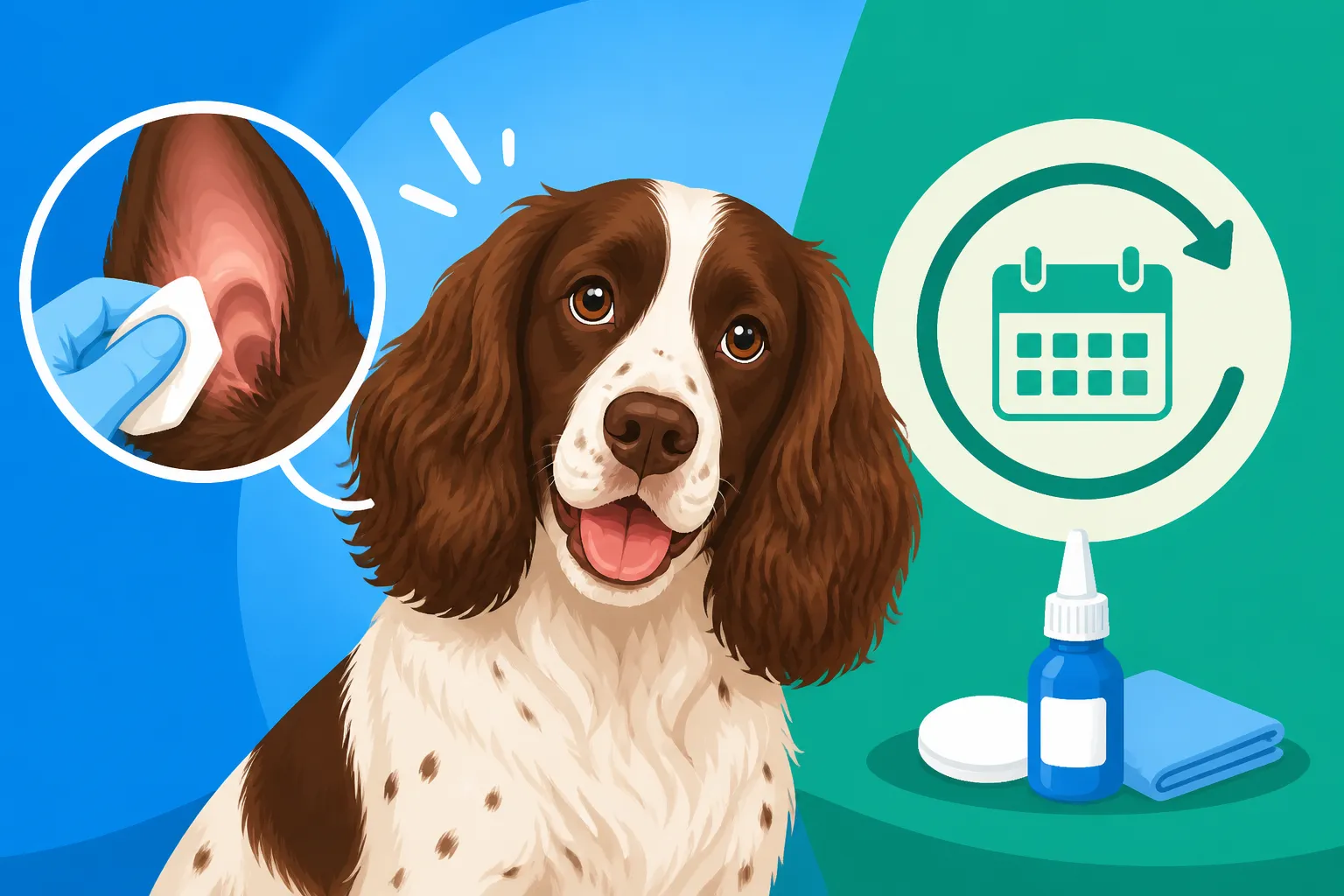
How Often a Springer Spaniel Owner Pays for Ear Treatment
If you own a Springer Spaniel, you've probably already experienced that sinking feeling when your beloved companion starts shaking their head, scratching at an ear, or that tell-tale odor hits you. Ear infections are, unfortunately, an all-too-common part of life with these wonderful dogs, and trying to figure out how often you'll be heading to the vet for treatment can be a real headache, both literally for your pup and figuratively for your wallet. This guide is here to walk you through the reality of managing your Springer's ear health, from understanding why they're so prone to issues to anticipating the frequency and cost of necessary veterinary care.
Why Springer Spaniels Are Prone to Ear Issues
It’s not just bad luck; there are several inherent characteristics of the English Springer Spaniel that make them prime candidates for ear infections. Knowing these factors is the first step in understanding why your dog might face recurring issues and why proactive care is so crucial. It’s a frustrating reality for many owners, but one that is deeply rooted in their very design.
The Drop-Ear Conundrum
The long, floppy ears that give Springer Spaniels their endearing look are also their Achilles' heel when it comes to ear health. Unlike dogs with pricked, upright ears that allow for excellent air circulation, a Springer's ears hang down, effectively sealing off the ear canal. This creates a warm, dark, and often humid environment that is absolutely ideal for bacteria and yeast to flourish. Think of it like a miniature greenhouse for microbes, constantly trapping moisture and preventing proper drying.
This lack of ventilation means that any moisture that enters the ear, whether from bathing, swimming, or even just humidity in the air, can linger for extended periods. It becomes a persistent challenge to keep the ear canal dry and healthy, making the battle against infection an ongoing one. This anatomical predisposition means you're often fighting an uphill battle, which can be disheartening when you're doing your best to keep them healthy.
Hair Growth and Moisture Trapping
Beyond the physical structure of the ear flap itself, many Springer Spaniels also have a significant amount of hair growing inside their ear canals. While this hair might seem harmless, it acts like a miniature dam, further impeding airflow and creating more surfaces for moisture and debris to cling to. This dense internal hair can trap ear wax, dirt, and any foreign bodies, like grass seeds, close to the eardrum, leading to irritation and infection.
The combination of the drop ear and internal hair means that even diligent cleaning can be a challenge, as it's hard to get solutions deep enough to clear debris while also ensuring the canal dries completely. This is why many vets will discuss whether plucking ear hair is a good option for your individual dog, though it's not a universal recommendation and needs careful consideration.
Allergies as a Root Cause
What many owners don't realize is that ear infections in Springer Spaniels are often not just isolated incidents but a symptom of a larger underlying problem: allergies. Just like people, dogs can suffer from environmental allergies (atopy) to things like pollen, dust mites, or molds, or from food allergies. When a Springer Spaniel experiences an allergic reaction, it can manifest as inflammation and itching in the skin, and one of the most common places for this to show up is, you guessed it, the ears.
This allergic inflammation makes the ear canal itchy, prompting your dog to scratch, which can further damage the delicate skin and introduce more bacteria. It also changes the environment within the ear, making it more hospitable for yeast and bacteria to grow. If your Springer seems to get recurrent ear infections, especially without obvious external moisture exposure, it's highly likely that allergies are playing a significant role. This underlying cause means that simply treating the infection won't stop the cycle; you need to address the allergy. You can read more about how often allergies drive a Springer Spaniel's ear disease to get a fuller picture of this common issue.
The Typical Frequency of Ear Infections
The frequency with which a Springer Spaniel owner pays for ear treatment can vary wildly from dog to dog. While some lucky Springers might only experience one or two infections in their lifetime, others can be plagued by chronic, recurring issues that require ongoing veterinary attention. Understanding these patterns can help you anticipate what might be in store for your own furry friend.
First-Time Infections vs. Recurrent Issues
For a young Springer Spaniel, a first-time ear infection might be an isolated event, perhaps triggered by an unfortunate swim in a murky pond or a period of high humidity. These often respond well to a single course of medication and diligent home care. However, the true frustration for many Springer owners comes with the recurrence of ear infections. It’s not uncommon for a Springer to experience several infections a year, especially if underlying causes aren’t identified and managed.
A "recurrent" infection typically means a new infection occurring shortly after the previous one was seemingly resolved, or multiple infections within a year. For some dogs, this can mean a trip to the vet every few months, sometimes even more frequently during peak allergy seasons or after water exposure. This pattern can be incredibly taxing on both your time and your budget, not to mention your dog's comfort.
Seasonal Triggers and Lifestyle Factors
Just like human allergies, environmental allergies in dogs often have seasonal patterns. Many Springer Spaniel owners notice a significant uptick in ear issues during spring and fall when pollen counts are high, or in summer when humidity is at its peak and swimming is more frequent. If your Springer loves to swim, this can be a major lifestyle factor contributing to their ear problems. The water, even clean water, changes the pH balance in the ear and introduces moisture that is then trapped by those floppy ears.
Even something as simple as a long walk through tall grass can introduce foreign material into the ear canal, leading to irritation and subsequent infection. It’s a constant battle of balancing their natural desires – like plunging into a lake after a bird – with the anatomical realities of their ears. This means that if your lifestyle involves a lot of outdoor adventures or water work, you might be facing a higher frequency of ear treatments.
Impact of Underlying Conditions
As mentioned, allergies are a huge driver of recurrent ear infections. If your Springer has undiagnosed or poorly managed allergies, you can expect to be at the vet for ear treatments quite regularly. Other underlying conditions can also contribute. Hypothyroidism, while less common as a direct cause, can sometimes impact skin and ear health, making infections harder to clear. Autoimmune diseases can also play a role, although this is rarer.
The frustrating truth is that unless the root cause is identified and addressed, you'll likely be stuck in a cycle of treating symptoms rather than solving the problem. This is why when a Springer Spaniel's ear infection recurs, your vet will often dig deeper, suggesting diagnostics that go beyond simply looking in the ear canal and prescribing drops.
Understanding the Cost of Ear Treatment
The financial aspect of managing ear infections in a Springer Spaniel can certainly add up, especially if they become a chronic issue. It’s not just the initial vet visit, but a whole host of related expenses that can impact your budget. Understanding these costs helps you prepare for the reality of owning a Springer with sensitive ears.
Initial Vet Visits and Diagnostics
An initial vet visit for an ear infection typically involves an examination, where the vet will look into the ear canal with an otoscope. They'll also usually perform an ear cytology, taking a swab from the ear and examining it under a microscope to identify whether the infection is bacterial, yeast, or both. This helps them prescribe the correct medication.
If the infection is stubborn, or if there's a concern about a foreign body or a ruptured eardrum, further diagnostics like an ear flush under sedation, X-rays, or even a deep culture might be necessary. Each of these steps adds to the cost, and for a chronic case, these diagnostics might be repeated periodically to monitor progress or identify new issues. For comparison, you might want to look at what a Springer Spaniel's ear cytology costs.
Medications and Follow-Up Care
Once diagnosed, your Springer will likely be sent home with ear drops or an oral antibiotic/antifungal medication. Often, these medications are not inexpensive, particularly if they are specialized formulations. Many ear infections require a two-week course of treatment, sometimes longer. The challenge doesn't always end there; follow-up visits are often recommended to ensure the infection has completely cleared. Skipping these can lead to a quickly recurring infection, meaning you're back to square one and paying for more treatment.
For dogs with chronic issues, managing the ear infection might involve long-term maintenance drops or regular cleaning solutions. You might also find yourself purchasing special ear cleaning products or drying solutions, which can add up over a year. Retailers like Chewy often carry a wide range of these products, which can be convenient for ongoing supply.
Specialist Referrals and Chronic Cases
When ear infections become truly chronic and don't respond to standard treatments, your veterinarian might recommend a referral to a veterinary dermatologist. These specialists have advanced training and diagnostic tools to get to the bottom of persistent ear problems, often running more extensive allergy tests or performing advanced imaging. A specialist consultation and subsequent specialized treatments can be significantly more expensive than regular vet visits.
In some severe, chronic cases where the ear canal has become irreversibly damaged, surgery, such as a Total Ear Canal Ablation (TECA), might be considered as a last resort. This is a major surgery and comes with a substantial cost, although for some dogs, it provides immense relief from constant pain and infection. It's a tough decision, but one that some owners face when everything else has failed. You can learn more about whether a Springer Spaniel needs ear surgery or what ear surgery costs on a Springer Spaniel if you're facing this difficult prospect.
| Type of Ear Issue | Typical Frequency of Treatment | Estimated Cost Shape | Notes |
|---|---|---|---|
| Mild, isolated infection | Once every 1-2 years | Low to Moderate | Responds well to initial treatment; often due to external moisture. |
| Recurrent infections | 2-4 times a year, often seasonal | Moderate to High | Often indicates underlying allergies or inadequate initial treatment. Requires ongoing management. |
| Chronic, severe infections | Ongoing, monthly management; flares | High, potentially very high | Often involves specialist care, advanced diagnostics, and potentially surgery; requires dedicated long-term plan. |
| Prevention & Maintenance | Weekly/Bi-weekly cleaning | Low (product cost only) | Regular cleaning and drying can significantly reduce infection rates. |
Proactive Care to Reduce Treatment Frequency
While Springer Spaniels are inherently prone to ear issues, there's a lot you can do as an owner to minimize the frequency of infections and reduce those dreaded vet visits. Proactive care is truly your best defense, and it can make a world of difference in your dog's comfort and your peace of mind.
Routine Cleaning and Drying
This is perhaps the most critical step in preventing ear infections. Regularly cleaning your Springer’s ears with a vet-approved ear cleaning solution helps remove wax, dirt, and debris before they can cause problems. How often? For some Springers, once a week is enough; for others, especially those prone to issues or who swim frequently, twice a week might be necessary. After every bath or swim, it is absolutely essential to thoroughly dry your Springer's ears. Gently blot the accessible parts with a soft cloth or cotton ball. There are also specific drying solutions formulated for dog ears that can help evaporate moisture and prevent bacterial growth.
Making ear cleaning a positive routine from a young age can help your dog tolerate it better. Use treats and praise, and make it a calm, gentle process. Remember, never use cotton swabs deep inside the ear canal, as this can push debris further in or damage the eardrum. Stick to the parts you can see and easily reach. Check out which ear cleaner suits a Springer Spaniel for specific product recommendations.
Dietary Management and Allergy Control
If allergies are the root cause of your Springer’s recurrent ear infections, managing those allergies is paramount. This might involve working with your vet to identify specific allergens through elimination diets or allergy testing. For food allergies, a limited ingredient diet or a novel protein diet can make a huge difference. Exploring fresh food options like Ollie, which are often highly digestible and formulated with specific ingredients, might also be a route to consider if your vet recommends a dietary change.
For environmental allergies, treatment might involve antihistamines, anti-itch medications like Apoquel, or even allergy injections (immunotherapy) tailored to your dog’s specific allergens. Addressing the underlying allergy directly can dramatically reduce the inflammation and itchiness in the ears, thereby reducing the frequency of secondary infections. It’s a long-term commitment but often yields the best results for chronic sufferers. You can also dive deeper into whether diet changes a Springer Spaniel's ear infections.
Grooming for Ear Health
Proper grooming of your Springer Spaniel’s ears isn't just for aesthetics; it's a vital part of health management. Regularly trimming the hair around the ear canal entrance can improve airflow, as can very carefully thinning out excessive hair deeper inside if recommended by your vet. While some owners pluck ear hair, this can sometimes cause micro-traumas to the skin, which can actually increase the risk of infection, so it’s always best to discuss this with your vet or a professional groomer who knows your dog.
Keeping the rest of their coat clean and free of mats, especially around the neck and head, also contributes to overall skin health, which can indirectly impact the ears. Ensure their ear leathers are kept clean and free of matted fur, as mats can pull on the skin and create irritation. A professional groomer who understands the unique needs of Springer Spaniel ears can be an invaluable asset in your ear health routine.
When to Seek Veterinary Help
It can be tempting to try and treat a minor ear issue at home, especially if your Springer has had infections before. However, knowing when to call the vet is crucial to preventing minor problems from escalating into severe, painful, and more costly chronic conditions. Don't play guessing games with your dog's health.
Recognizing Early Warning Signs
The sooner you catch an ear infection, the easier and quicker it is to treat. Be vigilant for the subtle signs that something is amiss. These include increased head shaking, persistent ear scratching (sometimes with a hind leg, sometimes rubbing against furniture), a noticeable odor emanating from the ear, redness or swelling around the ear canal, discharge (which can be brown, black, yellow, or greenish), or pain when the ear is touched. Your dog might also hold their head tilted, or seem generally lethargic or withdrawn if they are in discomfort.
A change in behavior, such as reluctance to play or being unusually irritable, can also be a sign of ear pain. If you notice any of these signs, even if they seem mild, it’s time to schedule a vet appointment. Don't wait until the infection is advanced and clearly visible, as it will be more difficult to treat and more painful for your Springer. Learning the signs a Springer Spaniel has an ear infection can empower you to act quickly.
Avoiding Self-Diagnosis and Treatment
While you might be familiar with your dog’s past ear infections, every infection can be different. What looks like a yeast infection might actually be bacterial, or a foreign body could be lodged deep in the canal. Using old ear drops or home remedies without a proper diagnosis can do more harm than good. You might be using the wrong medication, delaying effective treatment, and potentially worsening the condition or creating antibiotic resistance.
Over-the-counter human ear drops or home solutions not specifically formulated for dogs can be irritating or even toxic. It's truly best to let your veterinarian examine the ear, perform a cytology, and prescribe the appropriate treatment. They can also check for potential issues like a ruptured eardrum, which would make certain ear drops extremely dangerous.
The Importance of Timely Intervention
Delaying veterinary care for an ear infection can have serious consequences. What starts as a simple infection can quickly become chronic, requiring more aggressive and expensive treatments. Untreated infections can spread deeper into the ear, potentially leading to middle or inner ear infections, which are much harder to resolve and can impact your dog's balance and even cause deafness. Chronic inflammation can also lead to permanent changes in the ear canal, such as narrowing and thickening, making future infections even more likely and difficult to manage.
Timely intervention means a faster recovery, less pain for your dog, and ultimately, a lower financial burden in the long run. It's an investment in your Springer's immediate comfort and long-term health. Don't underestimate the severity of seemingly minor ear issues; they rarely resolve on their own and almost always require professional help.
Long-Term Management and Prevention
For many Springer Spaniel owners, ear health isn't a "fix it once and forget it" situation. It requires a comprehensive, long-term strategy to minimize recurrence and keep your dog comfortable. This often means a partnership with your vet and an understanding of the ongoing commitments involved.
Working with Your Vet for a Plan
If your Springer Spaniel experiences recurrent ear infections, it’s time to sit down with your veterinarian and develop a robust, long-term management plan. This plan should go beyond just treating the current infection and delve into identifying and controlling the underlying causes. It might involve allergy testing, dietary trials, or even a referral to a veterinary dermatologist for a more in-depth investigation.
Your vet can help you tailor a preventative routine, advising on the best ear cleaners, drying agents, and the optimal frequency for your specific dog. They might recommend specific medications for managing allergies or inflammation, even when no active infection is present. This collaborative approach ensures that you're not just reacting to problems but actively working to prevent them, improving your Springer's overall quality of life.
Considering Pet Insurance
The costs associated with frequent vet visits, diagnostics, medications, and potentially specialist care for chronic ear infections can be substantial. This is where pet insurance can be a real game-changer. Having a good pet insurance plan, like those offered by Healthy Paws, can certainly soften the financial blow of managing chronic conditions. While most plans won't cover pre-existing conditions, if you enroll your Springer as a puppy, any ear issues that develop later could be covered, making those recurring treatment costs much more manageable.
It's crucial to research different plans and understand what they cover, especially regarding chronic conditions and specialist referrals. Pet insurance can provide peace of mind, allowing you to make medical decisions based on what’s best for your dog rather than solely on what you can afford out-of-pocket. You can explore what insuring a Springer Spaniel runs to see how this fits into your budget.
Lifestyle Adjustments for Ear Health
Beyond medical treatments and preventative cleaning, simple lifestyle adjustments can play a significant role in reducing ear infection frequency. If your Springer loves to swim, consider investing in dog-specific ear plugs (though these aren't always tolerated or fully effective) or, more practically, ensuring vigorous drying immediately after water exposure. If tall grass or dusty environments seem to trigger issues, try to adjust your walking routes or keep the hair around their ears trimmed shorter to prevent debris from entering.
Being mindful of their environment and promptly addressing any potential irritants can significantly impact ear health. Remember, a happy, healthy Springer Spaniel is one whose ears aren't constantly bothering them, allowing them to focus on what they do best: being your joyful, devoted companion.
Disclaimer
This article is for general informational purposes only and does not constitute professional advice. Laws, prices and regulations vary by location and change over time. Consult a qualified professional for guidance on your specific situation.