What a Gonioscopy Costs on a Springer Spaniel
It’s a truly frightening moment when your beloved English Springer Spaniel starts showing signs of eye trouble. Maybe you’ve noticed a cloudiness, excessive blinking, or your dog seems to be bumping into things more often. When your vet recommends a gonioscopy, it can feel like a sudden leap into the unknown, both medically and financially. This guide will help you understand exactly what a gonioscopy involves for your Springer, why it’s so important, and what factors contribute to the overall cost, so you can feel more prepared and less overwhelmed.
Understanding the Gonioscopy Procedure for Your Springer Spaniel
When your veterinarian suggests a gonioscopy, it’s not just a fancy word; it’s a crucial diagnostic tool specifically designed to examine the drainage angle of your dog's eye. Think of it as looking deep into the plumbing system of the eye. For a breed like the Springer Spaniel, which can be prone to certain eye conditions, this procedure offers invaluable insight that a regular eye exam simply can't provide.
What is a Gonioscopy and How is it Performed?
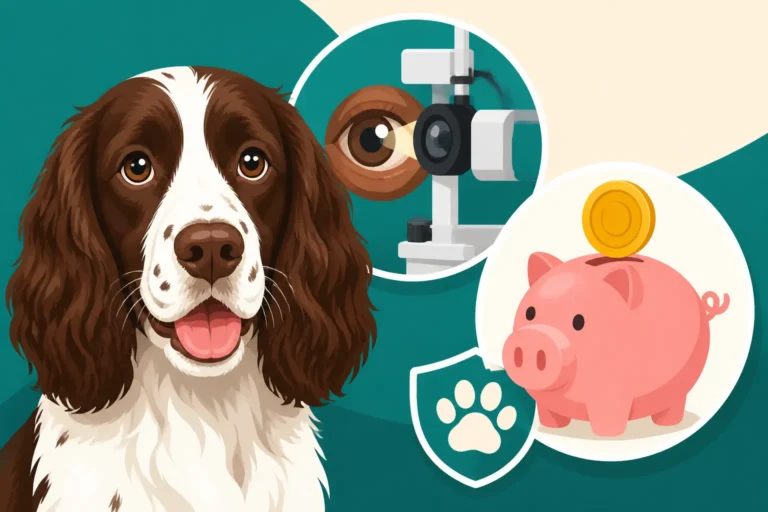
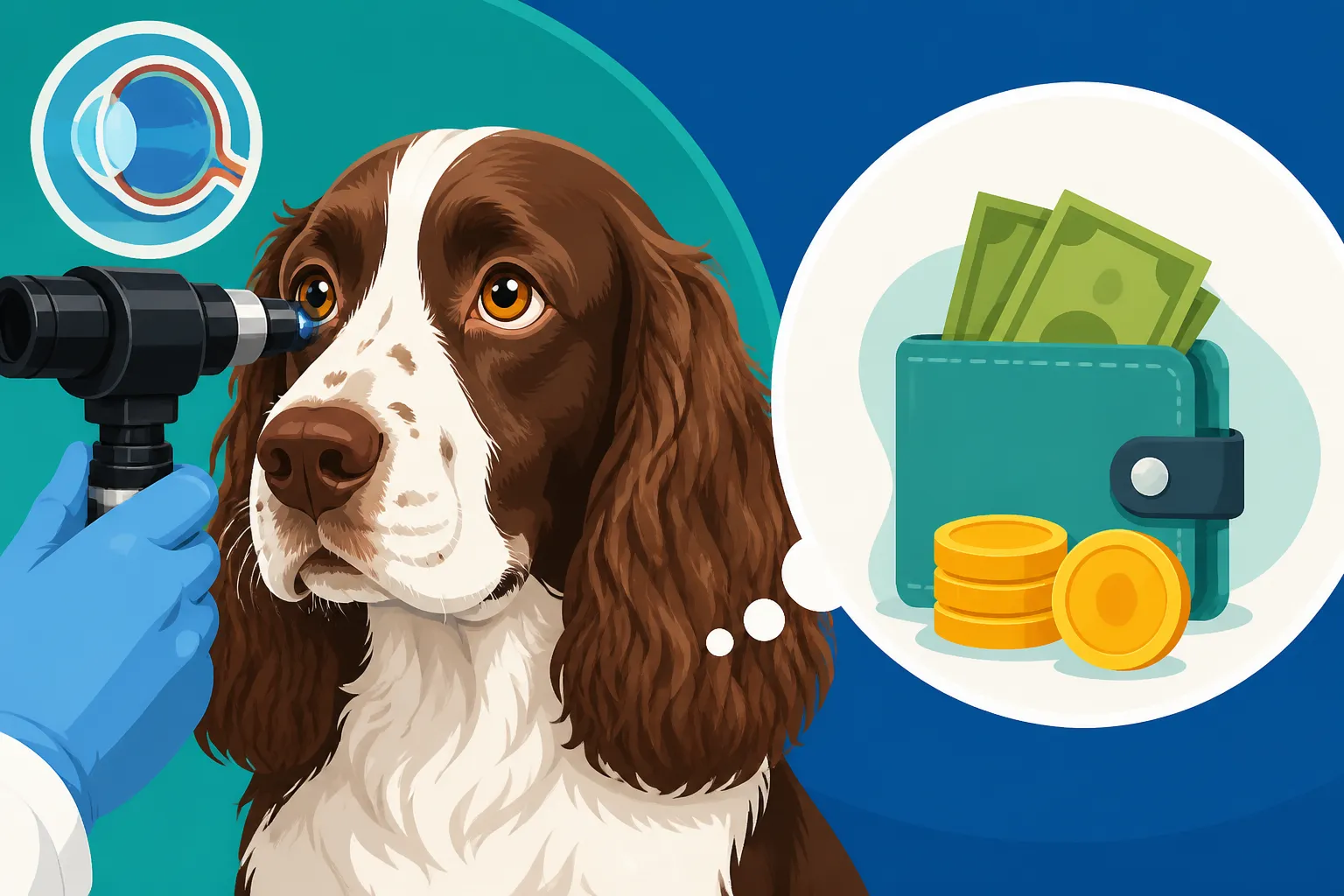
A gonioscopy is a non-invasive diagnostic procedure that uses a special contact lens (called a goniolens) placed directly on the surface of your Springer Spaniel's cornea. This lens has mirrors or prisms that allow the veterinary ophthalmologist to visualize the iridocorneal angle, which is the area where fluid drains from the eye. It's essentially where the iris (the colored part of the eye) meets the cornea (the clear front surface).
Before the procedure, your Springer will typically receive local anesthetic eye drops to numb the eye and ensure comfort, along with a sedative if necessary to help them relax and hold still. This isn't usually a painful procedure, but staying calm and still is key for accurate results. The vet will then gently place the goniolens on the eye, illuminating the area with a slit lamp biomicroscope – essentially a powerful microscope with a focused light source. They'll carefully examine the structures, looking for abnormalities like narrow angles, blockages, or other issues that could impede fluid drainage.
The Role of Sedation and Anesthesia
While a gonioscopy itself is not surgical, the need for your Springer Spaniel to remain perfectly still for a thorough examination often necessitates some form of sedation or even light anesthesia. The level of sedation required can vary significantly from one dog to another. A very calm, compliant Springer might only need mild sedation, while a more anxious or energetic dog could require a deeper level to prevent movement and ensure the ophthalmologist can get a clear, unobstructed view.
The decision for sedation or anesthesia isn't taken lightly. Your vet will consider your dog's temperament, overall health, and any pre-existing conditions. Of course, adding sedation or anesthesia also adds to the overall cost, as it involves additional monitoring, staff time, and medications. This is a critical safety measure, ensuring not only the accuracy of the diagnostic but also your dog’s well-being during the procedure. It’s a moment where you really appreciate the care veterinary professionals take to ensure everything goes smoothly.
Why Your Springer Spaniel Might Need a Gonioscopy: Glaucoma Concerns
For many Springer Spaniel owners, the word "glaucoma" sends a shiver down the spine. It's a serious, painful condition that can lead to irreversible blindness, and unfortunately, our beloved Springers are genetically predisposed to a specific type called primary glaucoma. This is where a gonioscopy becomes an absolutely indispensable tool.
Diagnosing Primary Glaucoma
Primary glaucoma, unlike secondary glaucoma (which arises from another eye disease like inflammation or injury), is inherited and happens when the drainage angle of the eye is malformed or doesn't function correctly, leading to a buildup of fluid and increased pressure within the eye. This increased pressure damages the optic nerve, resulting in vision loss and significant pain.
The challenge with primary glaucoma in Springer Spaniels is that it often presents subtly at first, making early detection difficult without specialized tools. A gonioscopy allows the veterinary ophthalmologist to directly examine this crucial drainage angle. They can determine if the angle is open, narrow, or completely closed, and if there are any other structural abnormalities. This examination helps them classify the type of glaucoma, which is vital for effective treatment planning. It’s like knowing the exact blockage in a pipe rather than just seeing water overflowing. Without this insight, treatment is often a shot in the dark. You can learn more about How Primary Glaucoma Blinds a Springer Spaniel in our detailed article.
Screening for Predisposition and Breeding Considerations
Beyond diagnosing an active case, gonioscopy is also a vital screening tool for breeders and owners concerned about their Springer Spaniel's genetic predisposition. Knowing whether a dog has narrow or abnormal drainage angles before glaucoma symptoms appear allows for proactive management. This is especially important for breeds like ours, where the condition is inherited.
Breeders committed to the health of the breed often perform gonioscopies on their breeding stock to ensure they are not passing on the genes for primary glaucoma. This practice helps reduce the incidence of the disease in future generations, providing healthier puppies to loving homes. If you're considering buying a puppy, it's perfectly reasonable to ask about the parents' gonioscopy results as part of the health clearances. Understanding Whether a Springer Spaniel With Narrow Drainage Angles Should Be Bred is a key part of responsible ownership and breeding. This test is often part of The Four Eye Diseases a Springer Spaniel Breeder Screens For.
The Cost Components of a Gonioscopy for a Springer Spaniel
Let's talk about the elephant in the room: the cost. It’s natural to feel a knot in your stomach when faced with specialized veterinary procedures, and a gonioscopy is no exception. While I can't give you exact figures, I can break down the various components that contribute to the overall expense, giving you a clearer picture of what you're paying for.
Initial Consultation and General Vet Fees
Before your Springer Spaniel even gets near a goniolens, there's usually an initial consultation. This isn't just a quick chat; it's a thorough examination by a general veterinarian to assess your dog's overall health and the specific eye symptoms they're exhibiting. They'll perform a basic eye exam, measure intraocular pressure (IOP) with a tonometer, and discuss your dog's history. This initial visit helps determine if a gonioscopy is indeed the next appropriate step and often involves a referral to a veterinary ophthalmologist.
The cost of this initial consultation can vary depending on your geographic location (urban centers often have higher fees than rural areas), the clinic's overhead, and the duration and complexity of the exam. Sometimes, even if you’re referred directly to a specialist, there will be a consultation fee with the ophthalmologist before the procedure itself. These initial fees lay the groundwork for understanding your Springer's specific needs.
Specialist Fees and Geographic Location
This is where a significant portion of the cost comes into play. A gonioscopy is almost exclusively performed by a board-certified veterinary ophthalmologist. These specialists have undergone extensive additional training beyond veterinary school, dedicating years to mastering the intricacies of animal eye health. Their expertise, specialized equipment, and limited availability command higher fees than a general practitioner.
Just like with human medicine, the cost for specialist services can fluctuate wildly based on where you live. Veterinary ophthalmology clinics in major metropolitan areas or regions with a high cost of living will typically charge more than those in less densely populated areas. The demand for their specialized services also plays a role. If there's only one veterinary ophthalmologist for hundreds of miles, their fees might reflect that unique expertise and accessibility. It's a tough reality, but something to be aware of when budgeting.
Sedation, Anesthesia, and Monitoring
As we discussed, most Springer Spaniels will require some form of sedation or light anesthesia to ensure the gonioscopy can be performed accurately and safely. This isn't a simple dose of medication; it involves a whole team and careful monitoring. You're paying for the pre-anesthetic blood work (to ensure your dog is a good candidate for sedation), the anesthetic drugs themselves, the time of a veterinary technician dedicated to monitoring vital signs (heart rate, respiration, oxygen saturation, temperature) throughout the procedure, and recovery care.
The depth and duration of sedation will impact this cost. If your dog needs more extensive monitoring or takes longer to recover, those factors will be reflected in the bill. This component is essential for your Springer's safety and well-being, and it’s an area where quality care truly matters.
Additional Diagnostic Tests and Follow-up Care
A gonioscopy rarely happens in isolation. It's often part of a broader diagnostic workup for potential eye issues. This might include other tests performed on the same day, such as additional intraocular pressure measurements, tear production tests (Schirmer tear test), fluorescein staining (to check for corneal ulcers), or even electroretinography (ERG) to assess retinal function. Each of these tests adds to the overall cost but provides a more complete picture of your Springer Spaniel's eye health.
Furthermore, the gonioscopy is a diagnostic tool, not a cure. If it reveals an issue like primary glaucoma, there will undoubtedly be subsequent costs for treatment, which could involve daily eye drops, oral medications, or even surgical interventions. Expecting these follow-up costs is crucial for long-term financial planning. This initial diagnostic is just the first step in a potential journey of managing your Springer's eye health.
Navigating the Gonioscopy Process: What to Expect and How to Prepare
Having your Springer Spaniel undergo any veterinary procedure can be stressful, but being prepared can make a huge difference. Knowing what to expect on the day of the gonioscopy and understanding how to manage the aftermath will help both you and your dog navigate the process more smoothly.
The Day of the Procedure
On the day of your Springer's gonioscopy, you'll typically be asked to fast your dog for a certain period before the appointment, especially if sedation or anesthesia is anticipated. Your vet or the ophthalmologist's office will give you specific instructions. When you arrive, there might be some paperwork to complete, consenting to the procedure and any sedation. The veterinary team will conduct a pre-procedure check, which may include another quick physical exam and reviewing any recent blood work.
Once your Springer is sedated, they will be taken to a specialized room for the examination. The procedure itself is usually relatively quick, often lasting only 15 to 30 minutes, depending on the dog’s cooperation and the complexity of the findings. After the gonioscopy, your dog will be monitored as they recover from the sedation. This recovery period can range from an hour to several hours, and your Springer might be a little groggy or disoriented for the rest of the day. They'll keep a close eye on your dog, ensuring they wake up safely and without complications.
Post-Procedure Care and Potential Side Effects
Once your Springer Spaniel is awake and deemed stable, you'll be able to take them home. It's important to provide a quiet, comfortable space for them to rest and fully recover from the sedation. They might be a bit unsteady on their feet, so limit stairs and rough play. Your vet will provide detailed post-care instructions, which might include specific eye drops if there was any irritation or if treatment for a condition like glaucoma has begun.
Temporary side effects from the procedure itself are usually minimal. Some dogs might experience mild redness or irritation in the eye for a short period due to the contact lens. More commonly, the grogginess from sedation is the main lingering effect. It's essential to follow all medication instructions and keep an eye on your Springer for any unusual swelling, increased redness, discharge, or signs of pain. Always contact your vet or the ophthalmologist if you have concerns. You might find items like gentle eye wipes or a "cone of shame" helpful in your Chewy order for post-op care, especially if your dog tends to paw at their face.
Making Sense of the Bill: Insurance and Financial Planning for Eye Care
When the bill for a specialized diagnostic like a gonioscopy arrives, it can feel like a punch to the gut. The costs, as we've explored, can add up quickly. But there are ways to prepare and manage these expenses, from pet insurance to understanding payment options.
Pet Insurance: A Lifeline for Unexpected Costs
Pet insurance can be an absolute game-changer when faced with unexpected veterinary bills, especially for breed-specific conditions like glaucoma in Springer Spaniels. Most comprehensive pet insurance policies will cover a significant portion of diagnostic procedures like a gonioscopy, provided the condition isn't pre-existing (meaning it was diagnosed before you enrolled or during your waiting period).
When you have pet insurance, you typically pay the vet bill upfront, then submit a claim for reimbursement. The amount you get back depends on your policy's deductible, reimbursement percentage (e.g., 70%, 80%, or 90% of the covered costs), and annual limits. Companies like Healthy Paws offer various plans that can help alleviate the financial burden of specialized care. While it won't cover a pre-existing condition, having a policy in place before a diagnosis like glaucoma can save you thousands over your Springer's lifetime, especially since Primary Glaucoma and the Springer Spaniel That Loses an Eye is a real risk.
Payment Plans and Financial Assistance Options
If you don't have pet insurance or if your policy doesn't cover a particular expense, it's worth discussing payment options with your veterinary clinic or ophthalmologist's office. Many clinics understand that specialized care can be costly and may offer internal payment plans, allowing you to pay the bill over several installments.
Additionally, there are third-party financing options available, such as veterinary credit cards, which offer deferred interest periods. While these require careful management, they can provide immediate financial relief. For those facing extreme financial hardship, some charitable organizations or breed-specific rescues may offer grants or assistance for life-saving or sight-saving procedures. It's always worth asking your vet team what resources they are aware of, as they often have connections to support networks. Being proactive and open about your financial concerns with your veterinary provider is the best first step.
Long-Term Management and Budgeting for Springer Spaniel Health
Owning a Springer Spaniel, as wonderful as it is, comes with the responsibility of anticipating their unique health needs. Beyond a gonioscopy, our breed is prone to other conditions like hip dysplasia and ear infections. Factoring regular veterinary check-ups, potential preventative screenings, and an emergency fund into your overall budget is just good practice.
A gonioscopy, while a significant expense, is often a gateway to understanding and managing conditions that impact your Springer's quality of life. Thinking long-term about your dog’s health, including ongoing medication costs if glaucoma is diagnosed, will allow you to provide the best possible care without undue financial stress. Regular eye exams, discussed in What a Springer Spaniel Eye Exam Costs, are a sensible preventative measure. Even general wellness, supported by quality nutrition, can contribute to fewer unexpected vet visits, though it won't prevent genetic conditions directly.
Table: Factors Influencing Gonioscopy Cost
| Cost Factor | Description | Impact on Cost |
|---|---|---|
| Geographic Location | Urban areas vs. rural areas, cost of living, regional demand for specialists. | Higher in cities/high cost of living areas. |
| Clinic Type | General veterinary practice (initial exam) vs. Board-certified Veterinary Ophthalmologist. | Specialist clinics are significantly higher. |
| Sedation/Anesthesia | Level of sedation needed, pre-anesthetic blood work, monitoring, recovery. | Varies based on dog's temperament and health; adds considerable cost. |
| Additional Diagnostics | Other eye tests (IOP, tear test, ERG) performed concurrently or as part of the workup. | Each additional test adds to the total. |
| Emergency vs. Planned | Procedure performed urgently vs. scheduled in advance. | Emergency services often incur higher fees. |
| Follow-up Care | Medications, rechecks, or further treatments based on gonioscopy results. | Not part of initial gonioscopy cost, but crucial to budget for post-diagnosis. |
Disclaimer
This article is for general informational purposes only and does not constitute professional advice. Laws, prices and regulations vary by location and change over time. Consult a qualified professional for guidance on your specific situation.