Whether Swimming Causes a Springer Spaniel’s Ear Trouble
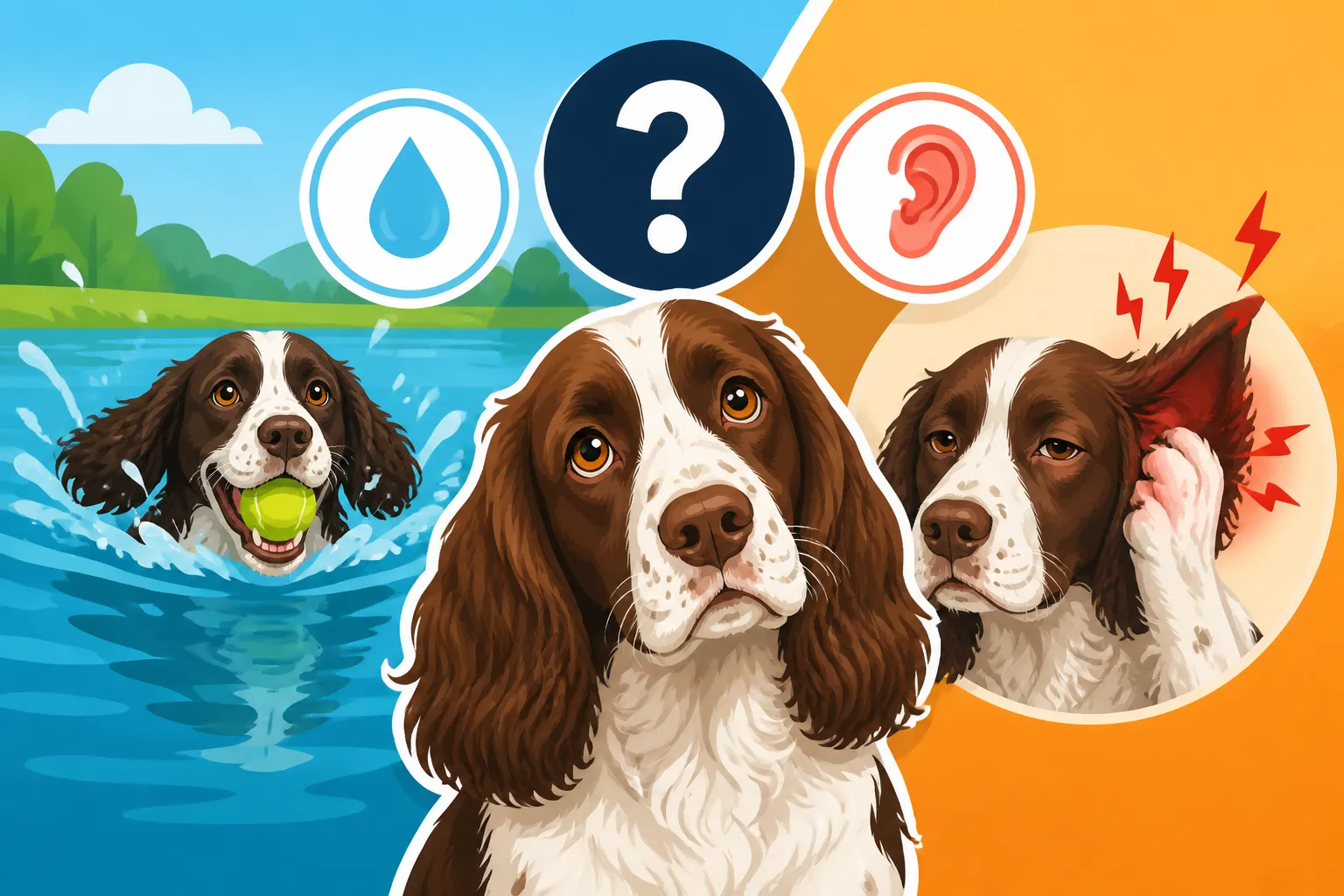
It’s a tale as old as time for any Springer Spaniel owner: you’ve got a dog that absolutely adores water, dives in with unbridled joy, and then… the dreaded ear infection sets in. That constant head shaking, the scratching, the tell-tale odor – it’s enough to make any dog parent wince. This guide is here to walk you through exactly why swimming can be such a minefield for your water-loving Springer's ears and, more importantly, what you can do about it to keep those floppy ears healthy and happy.
The Unique Vulnerability of Springer Spaniel Ears
Let's face it, a Springer Spaniel's ears are one of their most charming features. Those long, pendulous flaps framed with gorgeous feathering just beg to be stroked. But what makes them so endearing also makes them inherently prone to problems, especially when water is involved. It's not just a coincidence; it's a matter of canine anatomy.
Anatomy That Traps Moisture
Unlike breeds with upright ears, your Springer Spaniel's long, heavy ear flaps hang down, effectively sealing off the ear canal from much-needed air circulation. Think of it like a warm, moist cave. This design is fantastic for protecting their inner ear from debris when they're working through thick cover, but it creates a perfect breeding ground for trouble. The ear canal itself isn't a straight shot; it takes a sharp turn, forming an "L" shape. This makes it incredibly easy for water, debris, and even just humidity to get trapped deep inside, where it can’t easily drain out or evaporate.
When your Springer plunges into a pond or even just enjoys a good swim in the local creek, water rushes into that ear canal. Because of the L-shape and the heavy ear flap, that water often just sits there. It creates a persistently damp environment, raising the humidity and temperature inside the ear. This isn't just uncomfortable; it's an open invitation for opportunistic bacteria and yeasts, which naturally live in small numbers in healthy ears, to multiply rapidly. This is precisely why a Springer Spaniel's ears are never quite healthy if proper care isn't taken.
The Problem with Prolonged Dampness
The warm, moist environment created by trapped water is the ideal habitat for the proliferation of microorganisms. Yeast, particularly Malassezia, thrives in such conditions, leading to that distinct, often cheesy smell associated with ear infections. Bacteria, like Staphylococcus or Pseudomonas, also seize the opportunity to grow unchecked. This overgrowth leads to inflammation, itching, and pain, which manifests as your dog shaking its head, scratching furiously, or rubbing its ears against furniture.
It’s a frustrating cycle. The itching makes them scratch, which further irritates the delicate skin lining the ear canal and can even cause micro-abrasions, providing an easier entry point for infection. If left unaddressed, this chronic inflammation can lead to a thickening of the ear canal tissues, narrowing the passage, which only makes future infections even more likely and difficult to treat. This is a common issue, and many owners wonder How Often a Springer Spaniel Gets Ear Infections because it seems like a constant battle.
How Swimming Directly Contributes to Ear Infections
While a love for water is practically a breed trait for English Springer Spaniels, it undeniably exacerbates their natural ear vulnerabilities. It's not just the water itself, but what that water can carry and how it interacts with the ear environment.
Water Quality and Contaminants
Not all water is created equal when it comes to your dog's ears. A dip in a chlorinated swimming pool might irritate the sensitive skin of the ear, but a swim in a murky pond, lake, or even a slow-moving river carries far greater risks. These natural bodies of water are teeming with bacteria, algae, fungi, and other microscopic organisms that are not meant to be introduced into an ear canal. Think about all the things that end up in natural water sources – runoff from farms, decaying organic matter, animal waste.
When your Springer Spaniel happily paddles through these waters, they are essentially introducing a cocktail of potential pathogens directly into their ear canal. These foreign invaders, combined with the ideal warm, moist conditions created by the trapped water, set the stage for a nasty infection. The cleaner the water, the lower the risk, but even clean water can still leave behind the dampness that encourages naturally occurring flora to overgrow.
Irritation from Chemicals and Debris
Even if your Springer is sticking to a well-maintained swimming pool, the chemicals used to keep the water clean, primarily chlorine, can be irritating. Just as chlorine can dry out human skin and hair, it can strip away the natural protective oils and disrupt the delicate pH balance within your dog's ear canal. This leaves the skin more susceptible to inflammation and makes it easier for bacteria or yeast to take hold.
Beyond chemicals, any kind of debris can cause trouble. Tiny bits of plant matter, sand, dirt, or even just microscopic particles from the water itself can become lodged in the ear canal. These foreign bodies can cause direct irritation, scratching the delicate lining and creating entry points for infection. They can also provide a surface for bacteria and yeast to cling to and proliferate. When coupled with the constant dampness from swimming, these irritants create a perfect storm for ear problems.
Proactive Steps to Safeguard Your Springer's Ears
Understanding the risks is the first step, but preventing ear infections in your water-loving Springer Spaniel is all about consistent, proactive care. It means establishing a routine that addresses their unique ear anatomy and their passion for swimming.
Post-Swim Ear Drying Routine
This is, hands down, the most critical step after any water exposure. You need to thoroughly dry your Springer Spaniel's ears every single time they get wet. Don't just towel off the outside; you need to address the moisture inside the ear canal.
First, use a soft, absorbent towel to gently dry the outer ear flap and the visible parts of the ear canal. Then, consider using a specialized ear drying solution. Many excellent veterinary-approved solutions are designed to gently acidify the ear canal and promote drying without irritation. Products containing witch hazel, boric acid, or isopropyl alcohol (in appropriate, diluted formulations) can be effective. Simply apply the recommended amount into each ear, massage the base of the ear for 20-30 seconds to help the solution reach deep into the canal, and then let your dog shake its head. You can then use a cotton ball or a soft cloth wrapped around your finger (never a Q-tip, which can push debris further in) to gently wipe away any excess solution and loosened debris. For more in-depth guidance, check out whether a Springer Spaniel Needs a Drying Solution After Water. Consistency is key here; make it part of your post-swim ritual.
Regular Ear Cleaning and Maintenance
Even if your Springer hasn't been swimming, regular ear cleaning is vital, especially for breeds prone to ear issues. Aim for a weekly check and cleaning, or more often if your dog is particularly active or has a history of ear problems. Choose a gentle, pH-balanced ear cleaner specifically formulated for dogs. Your veterinarian can recommend a good brand or an appropriate frequency for your individual dog.
During cleaning, always follow the product instructions. Generally, you'll squirt a generous amount of cleaner into the ear canal until it's full, gently massage the base of the ear to break up wax and debris, and then allow your dog to shake their head. After the shaking, use a fresh cotton ball or gauze to wipe away the loosened gunk from the outer ear and the folds of the ear flap. Never insert anything deep into the ear canal. Regular cleaning helps remove excess wax, dirt, and any lingering moisture before it becomes a problem. Some owners also wonder whether plucking ear hair helps a Springer Spaniel; while it can improve air circulation, it can also cause irritation if not done correctly, so always discuss this with your vet or professional groomer.
The Role of Diet and Allergy Management
It might seem counterintuitive, but what your Springer eats can have a profound impact on their ear health. Many chronic ear infections, especially those that seem to recur despite diligent cleaning, are actually secondary to underlying allergies – either environmental (like pollen or dust mites) or food-related.
If your Springer Spaniel suffers from persistent ear issues, talk to your vet about exploring possible allergies. They might suggest a prescription limited ingredient diet trial to rule out food sensitivities or discuss allergy testing for environmental triggers. Managing these underlying allergies, through diet changes, medication like Apoquel or Cytopoint, or immunotherapy, can significantly reduce inflammation throughout the body, including in the ears. This, in turn, makes their ears less susceptible to infections and can help break the cycle of recurring problems. It’s worth investigating whether diet changes a Springer Spaniel's ear infections if you're struggling with chronic issues. Pet insurance providers like Healthy Paws can be a real lifeline here, as they often cover diagnostics and ongoing treatments for chronic conditions like allergies that lead to ear trouble, helping manage the often significant costs associated with long-term veterinary care.
Recognizing and Treating Ear Infections
Even with the most diligent preventative care, ear infections can sometimes still sneak up on your Springer Spaniel. Knowing what to look for and when to seek veterinary attention is crucial for prompt and effective treatment.
Common Signs and Symptoms
The first step in addressing an ear infection is recognizing that something is amiss. Your Springer Spaniel, like most dogs, will often try to hide discomfort, but ear infections are hard to conceal. Keep an eye out for these tell-tale signs:
- Excessive Head Shaking: This is often the most obvious sign, as your dog tries to dislodge the irritating fluid or debris in their ear.
- Constant Ear Scratching: They might paw at their ears, rub their head against furniture, or scoot along the carpet to relieve the itch.
- Redness or Swelling: Upon lifting the ear flap, you might see that the inside of the ear is noticeably redder or even swollen compared to normal.
- Foul Odor: A distinct, often pungent or yeasty smell emanating from the ear is a strong indicator of infection.
- Discharge: You might observe brownish, yellowish, or black waxy discharge, sometimes pus-like, within the ear canal.
- Pain or Sensitivity: Your dog may whine, flinch, or even snap if you try to touch their ear.
- Changes in Behavior: Lethargy, loss of appetite, or an unusual irritability can sometimes accompany the discomfort of an ear infection.
If you notice any of these signs a Springer Spaniel has an ear infection, it's time to contact your veterinarian. Don't try to self-diagnose or treat with home remedies, as this can make the problem worse or delay appropriate treatment.
When to Seek Veterinary Intervention
As soon as you spot any of the symptoms mentioned above, it's best to schedule a vet appointment. Early intervention is key to preventing the infection from becoming more severe, painful, and harder to treat. A mild infection caught early might only require a few days of ear drops, whereas a chronic or severe one could lead to more intensive treatment, including oral antibiotics or anti-fungals, and potentially even pain medication.
Your vet will perform an otoscopic exam, using a special instrument to look deep into the ear canal. They will likely take a swab for cytology, examining it under a microscope to identify whether yeast, bacteria, or both are present, and sometimes even determine the specific type of bacteria. This helps them choose the most effective medication. In some cases, a bacterial culture and sensitivity test might be necessary if the infection is recurrent or not responding to standard treatments. This test identifies the exact bacteria and which antibiotics will kill it most effectively. Knowing what treating a Springer Spaniel's ear infection costs can also help you understand the value of pet insurance, like Healthy Paws, which can significantly offset these unexpected vet bills.
Treatment Options and Long-Term Management
Treatment for ear infections typically involves medicated ear drops or ointments that contain antibiotics, antifungals, and/or anti-inflammatory drugs. Your vet might also prescribe oral medications if the infection is severe, if your dog is in significant pain, or if it's a deep-seated infection. It’s absolutely critical to follow the veterinarian’s instructions precisely, completing the full course of medication even if the ear looks better after a few days. Stopping early is a common reason why a Springer Spaniel's ear infection recurs.
For chronic or recurring ear infections, your vet may recommend further diagnostics to uncover underlying causes, such as allergies, thyroid issues, or even anatomical abnormalities like a narrowed ear canal. Sometimes, long-term management might include regular prophylactic cleaning with specific solutions, ongoing allergy treatment, or even dietary changes. In very severe, chronic cases where medical management fails and the dog is in constant pain, surgery, such as a Total Ear Canal Ablation (TECA), might be considered, which involves removing the diseased ear canal. This is an extreme measure, but can offer immense relief when all other options are exhausted. You can learn more about whether a Springer Spaniel Needs Ear Surgery for these situations.
Here’s a quick overview of how different water activities compare in terms of ear risk and preventative actions:
| Water Activity | Ear Infection Risk Level | Recommended Prevention Strategy |
|---|---|---|
| Swimming Pool (Chlorinated) | Medium | Immediately after: Thoroughly dry outer ear. Use a gentle, pH-balanced drying solution. |
| Lake/Pond/River | High | Immediately after: Aggressively dry outer ear. Use an antiseptic ear drying solution. Inspect for debris. Consider limiting exposure if chronic issues persist. |
| Ocean/Saltwater | Medium | Immediately after: Rinse ears with fresh water to remove salt residue, then dry thoroughly with a drying solution. Salt can be irritating if left to dry. |
| Bath Time at Home | Low | During: Place cotton balls loosely in ear canals (remove immediately after). After: Dry outer ear, ensure no water pooled. |
| Rainy Weather/Wet Grass | Low to Medium | After prolonged exposure: Check ears for dampness. If very wet, use a drying solution. |
Remember, your Springer Spaniel’s zest for life often includes a splash in any available water. With a bit of vigilance and consistent care, you can help them enjoy their watery adventures without constantly battling ear infections. It’s all about being prepared and knowing when to get your vet involved.
Disclaimer
The information provided in this article is for general informational purposes only and is not a substitute for professional veterinary advice. Always consult with a qualified veterinarian regarding any medical concerns or before making any decisions about your pet's health and treatment.