Whether a Springer Spaniel’s Ear Infection Recurs
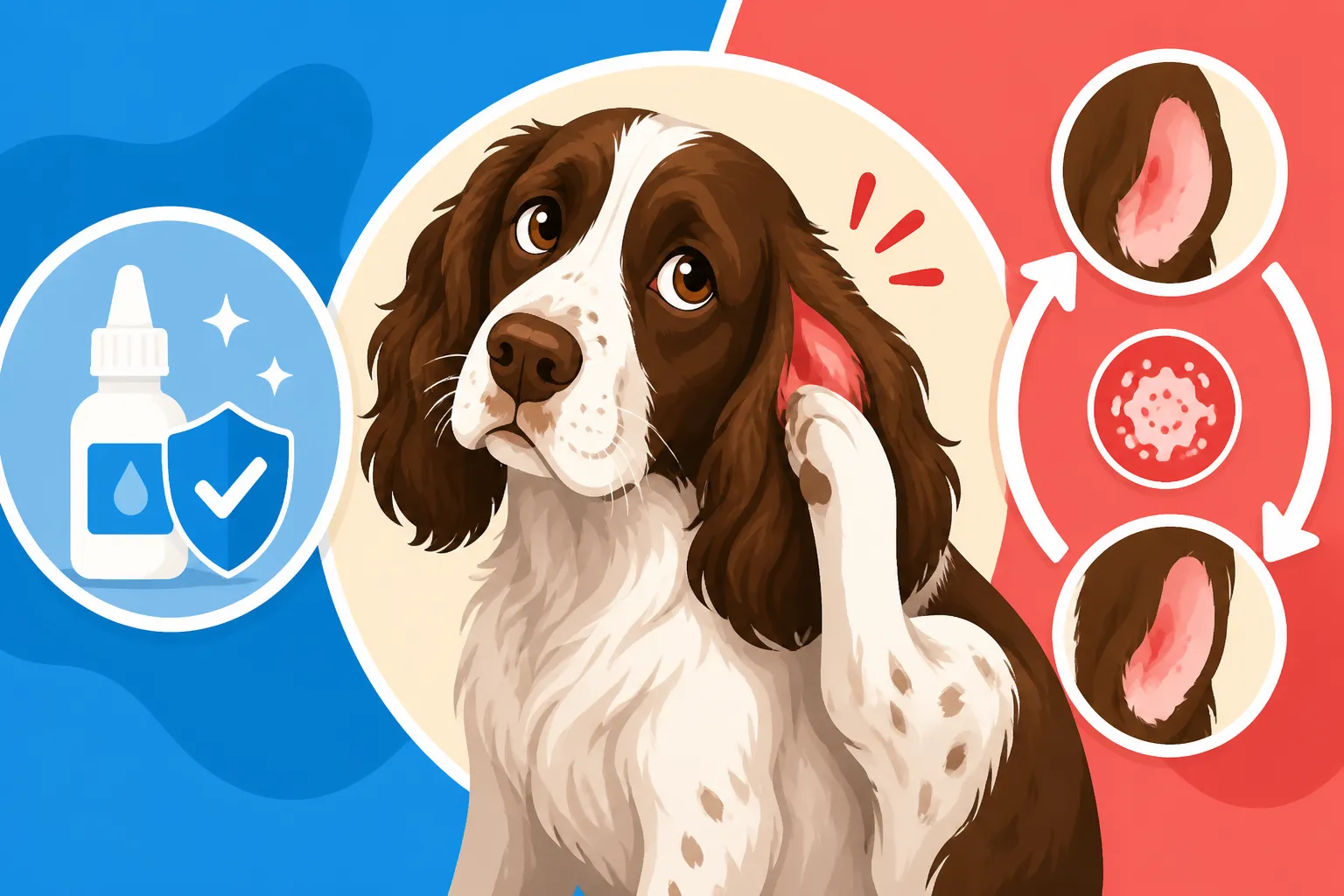
If you're a Springer Spaniel owner, chances are you've already experienced the exasperating cycle of ear infections. It's a tale as old as time: you treat the infection, your beloved spaniel gets relief, only for the tell-tale head shaking and pawing to return weeks or months later. This guide is here to walk you through why these infections keep coming back and, more importantly, what you can do to finally break that frustrating pattern.
The Frustrating Cycle of Recurrent Ear Infections in Springer Spaniels
It’s truly disheartening when you’ve done everything right, followed the vet’s instructions to the letter, and yet your Springer Spaniel is back to scratching at their ears within a few short months. This isn't just bad luck; it's often a direct consequence of their unique anatomy and a host of underlying factors that make these wonderful dogs incredibly prone to ear trouble. Understanding these elements is the first step toward effective long-term management.
Why Springer Spaniel Ears Are a Breeding Ground for Trouble
Let's face it, those beautiful, long, floppy ears are part of what makes our Springer Spaniels so endearing. But for their ears, it's a double-edged sword. The ear canal in a Springer Spaniel, like many drop-eared breeds, is long and often has a narrow opening. This creates a dark, warm, and humid environment, which is exactly what yeast and bacteria thrive on. Think of it like a warm, damp cave – perfect for microbial growth, and completely the opposite of what a healthy ear needs.
Beyond the physical shape, the sheer amount of hair inside and around the ear canal also contributes significantly. This hair traps debris, moisture, and reduces air circulation even further, acting like a warm blanket over an already problematic area. It's no wonder many Springer Spaniel owners lament that their dog's ears are never quite healthy, feeling like an endless battle against gunk and discomfort. This anatomical predisposition is why understanding preventative care is so crucial from the get-go.
Common Triggers That Bring Back the Itch
Even after an infection has been cleared, several common scenarios can quickly set the stage for a relapse. One of the biggest culprits is water. Whether it's a joyful splash in the lake, a swim in the backyard pool, or even just a particularly enthusiastic bath, water can get trapped deep within the ear canal. For a Springer Spaniel, who often lives for water retrieves and playing, this is a constant challenge. Drying a Springer Spaniel's ears after swimming is often overlooked but absolutely essential. Without proper drying, that trapped moisture rapidly becomes a breeding ground for opportunistic pathogens.
Another frequent trigger is inadequate cleaning. We all lead busy lives, and sometimes ear cleaning might slip down the priority list. However, for a breed so prone to ear issues, inconsistent or improper cleaning allows wax, dead skin cells, and microscopic debris to build up, forming a nutrient-rich buffet for yeast and bacteria. Over-cleaning with harsh products, or not using the correct type of ear cleaner for a Springer Spaniel, can also irritate the delicate skin lining the ear canal, inadvertently making it more susceptible to infection. It’s a delicate balance to strike.
The Hidden Contributors: Allergies and Systemic Issues
Sometimes, the ear infection isn't just about what's in the ear, but what's going on inside the dog. One of the most common and often overlooked reasons a Springer Spaniel's ear infection is allergy driven. Just like people, dogs can suffer from environmental allergies (atopy) to things like pollen, dust mites, or molds, or food allergies to certain proteins (like chicken or beef). When a dog has allergies, their immune system overreacts, causing inflammation throughout the body, including the skin lining the ear canals.
This inflammation changes the microenvironment of the ear, making it itchier, redder, and more hospitable for yeast and bacteria to take hold. It becomes a vicious cycle: allergies cause inflammation, which leads to infection, which causes more discomfort, and so on. Other systemic issues, such as hypothyroidism or certain autoimmune conditions, can also weaken the skin's natural defenses, making recurrent infections more likely. A vet might suggest screening for these broader health problems if ear infections are a relentless, unyielding struggle.
Spotting the Return: Early Signs and Vigilant Monitoring
One of the biggest frustrations with recurring ear infections is that they often creep up quietly, only becoming overtly obvious when your dog is already miserable. Learning to spot the subtle cues can make a huge difference, allowing you to intervene early before the infection fully takes hold and requires more aggressive treatment. It's about becoming an expert in your own dog's "normal."
Behavioral Changes That Signal Trouble
Your Springer Spaniel is generally a happy, energetic companion, and any deviation from that baseline can be a red flag. The most obvious sign of an impending ear infection is increased scratching or pawing at the affected ear. You might notice them rubbing their head along furniture or the carpet, trying to relieve the deep itch. Perhaps they start tilting their head persistently to one side, or they seem reluctant to have their head touched, especially near the ears.
Beyond direct ear manipulation, pay attention to their overall demeanor. Are they a bit more withdrawn? Less enthusiastic about walks or play? A dog in discomfort might seem lethargic, grumpy, or even snap if you accidentally touch a sore spot. While these signs can point to various issues, if combined with even minor ear discomfort, it's worth a closer look. Early recognition of these subtle shifts is key to tackling the problem head-on.
Visual and Olfactory Clues You Can't Ignore
Once you suspect something is amiss, a quick visual and olfactory inspection can confirm your suspicions. Gently lift your Springer's ear flap and take a good look inside. Is the skin redder than usual? Is there any swelling? You might see a discharge – it could be dark and waxy (often indicative of yeast), yellowish and pus-like (bacterial), or a combination of both. Compare it to the healthy ear, if only one is affected.
The smell is another undeniable giveaway. A healthy ear should have a very faint, almost neutral smell. If you detect a strong, yeasty, or foul odor, it's a clear indicator of bacterial or fungal overgrowth. Don't be shy about getting your nose right in there; it's one of the most reliable diagnostic tools you have at home! This is often one of the first signs many owners notice, even before their dog starts vigorously scratching, and it means it's time to call the vet.
Making At-Home Ear Checks a Regular Habit
To truly get ahead of recurrent infections, consistent at-home ear checks are non-negotiable for a Springer Spaniel owner. Aim for a quick inspection a few times a week, especially after any activity involving water. Make it a positive experience with treats and praise, so your dog associates it with good things, not discomfort. This routine will not only help you catch issues early but also allow you to develop a baseline understanding of what your dog's healthy ears look and smell like.
Beyond visual and olfactory checks, you might consider keeping a log of when infections occur, what symptoms you observed, and what treatments were prescribed. This detailed history can be invaluable for your veterinarian to identify patterns and refine treatment plans. Sometimes, just being more diligent about routinely checking can help you identify the Signs a Springer Spaniel Has an Ear Infection much faster, leading to quicker intervention and less suffering for your furry friend.
Strategies to Break the Recurrence Pattern
Breaking the cycle of recurring ear infections requires a multi-pronged approach that goes beyond just treating the symptoms when they flare up. It's about prevention, consistent care, and a dedicated partnership with your veterinarian to uncover and manage any underlying causes. This shift from reactive treatment to proactive management is where you'll find real lasting relief for your Springer Spaniel.
Mastering Proactive Ear Hygiene
The cornerstone of preventing recurrent ear infections in Springer Spaniels is a rigorous and consistent ear hygiene routine. This starts with regularly cleaning their ears, even when they appear healthy. But it's not just about cleaning; it's about doing it correctly and with the right products. Ask your vet which ear cleaner suits a Springer Spaniel best, as some are specifically formulated to dry the canal or combat yeast, while others are gentle for maintenance.
Another critical step, especially for water-loving Springers, is thoroughly drying their ears after any exposure to moisture. This means gently blotting the outer ear and opening with a soft cloth or cotton ball, and in some cases, using a drying solution specifically recommended by your vet. Some owners even use a low-setting hairdryer (held far away!) to ensure the ear canal is completely dry. Remember, the goal is to eliminate that warm, damp environment that microbes love so much. Regularly trimming any excessive hair around the ear canal can also help improve air circulation, though be careful not to pluck ear hair unless advised by your vet, as this can sometimes cause irritation.
Partnering with Your Veterinarian for a Targeted Plan
When infections keep coming back, it's crucial to work closely with your veterinarian. They can perform a thorough examination, including an otoscopic inspection deep into the ear canal, and take samples for cytology. A simple ear cytology can identify whether yeast, bacteria, or both are present, and guide the choice of medication. If the infection is particularly stubborn, they might suggest a culture and sensitivity test, which tells them exactly which bacteria are present and which antibiotics will be most effective against them. This targeted approach is far more effective than just guessing or repeating previous treatments that might not be working anymore.
Your vet can also help you understand how often a drop eared Springer Spaniel needs cleaning and customize a preventative schedule based on your dog's specific needs and history. If the infections are very severe or cause significant pain, discussing pain management options is also vital to ensure your dog’s comfort during treatment. Don't hesitate to ask questions and discuss all aspects of your dog's ear health during your appointments. This partnership is vital.
Addressing Diet and Environmental Allergens
If your Springer Spaniel is plagued by chronic ear infections, especially if they also have itchy skin, paw licking, or digestive upset, allergies are a very strong suspect. Many owners find that whether a Springer Spaniel's ear infection is allergy driven determines the success of long-term management. Your vet might suggest an elimination diet to rule out food allergies, which involves feeding a novel protein or hydrolyzed protein diet for several weeks to see if symptoms improve. This can be a challenging process, but the results can be life-changing for your dog.
For environmental allergies, options range from antihistamines and supplements to prescription medications like Apoquel or Cytopoint injections, which target the itch pathway. In some severe cases, a referral to a veterinary dermatologist might be recommended. They can conduct specific allergy testing to identify triggers and even formulate allergen-specific immunotherapy (allergy shots) to desensitize your dog over time. You might also consider whether diet changes a Springer Spaniel's ear infections by switching to a limited ingredient diet or a fresh food diet under vet guidance. Addressing these underlying allergic responses is often the missing piece of the puzzle for breaking the cycle of recurrent ear infections.
When Persistent Infections Demand Advanced Solutions
For some Springer Spaniels, despite diligent care and veterinary partnership, ear infections remain a relentless foe. This can be incredibly frustrating and emotionally draining for owners. In these persistent cases, it's time to consider more advanced diagnostic tools and, sometimes, more invasive treatments to provide lasting relief. This is where pet insurance, like Healthy Paws, can be a real lifesaver, helping to cover the often significant costs associated with specialized care.
Deep Dive Diagnostics: Beyond the Swab
When routine cytology and medications aren't cutting it, your vet may recommend more in-depth diagnostics. This could include sedated ear exams with an otoscope to get a clearer view of the deep ear canal and eardrum, checking for polyps, foreign bodies, or other structural abnormalities that might be contributing to the problem. What a Springer Spaniel's ear cytology costs is usually relatively minor, but these more advanced procedures can certainly add up.
Advanced imaging, such as CT scans or MRIs, might be necessary to assess the middle ear and inner ear structures, especially if there's concern about infection spreading beyond the external ear canal. These imaging techniques can reveal hidden issues like middle ear infections (otitis media) that can't be seen with a regular otoscope. A referral to a veterinary dermatologist or an internal medicine specialist might also be beneficial, as they have specialized knowledge and equipment to diagnose and manage complex ear conditions. This kind of detective work is crucial when you're dealing with a chronic issue that impacts your dog's quality of life.
| Symptom | Mild Concern | Moderate Concern | High Concern (Vet Visit Recommended) |
|---|---|---|---|
| Head Shaking | Occasional, light shakes | Frequent, noticeable shakes | Violent, persistent head shaking |
| Ear Scratching | Intermittent, gentle pawing | Frequent, vigorous scratching | Pawing/rubbing to the point of redness/soreness |
| Ear Odor | Faint, slightly "doggy" smell | Noticeable, somewhat yeasty smell | Strong, foul, cheesy, or sweet odor |
| Discharge | Very minimal, light wax | Visible dark or yellowish wax | Heavy, pus-like, green, or bloody discharge |
| Redness/Swelling | Slight pinkness inside ear | Visible redness or mild swelling | Bright red, hot, swollen ear canal |
| Pain Response | Tolerates ear touch | Pulls away, flinches when ear is touched | Cries out, snaps, or guards ear |
| Changes in Behavior | Slightly quieter | Noticeably lethargic or irritable | Refuses food, withdrawn, signs of fever |
Exploring Surgical Options for Chronic Cases
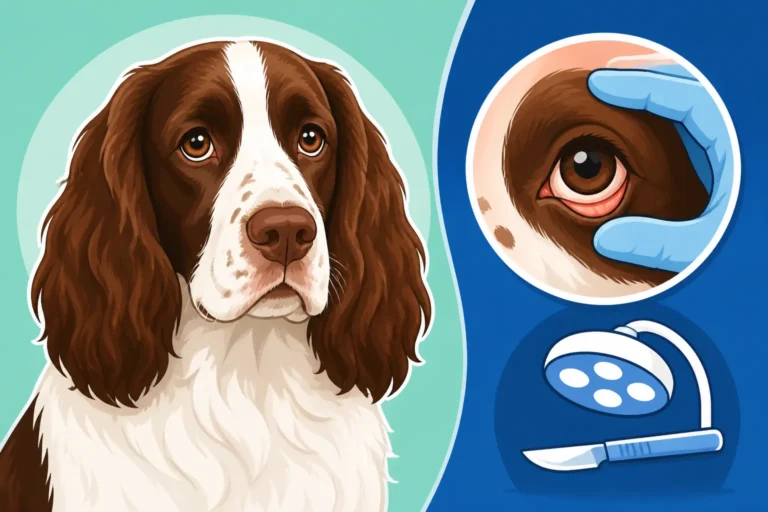
For Springer Spaniels suffering from severe, chronic, and unresponsive ear infections, surgery can sometimes be the only path to long-term relief and improved quality of life. One common procedure is a Total Ear Canal Ablation (TECA) with Bulla Osteotomy. This major surgery involves removing the entire diseased ear canal and opening the middle ear cavity (bulla) to remove any infected tissue. While it results in deafness in the affected ear, it eliminates the source of chronic pain and infection.
The decision to pursue such a drastic surgery is never taken lightly and is usually reserved for cases where medical management has completely failed, and the dog is in constant pain or suffering from recurring, debilitating infections. It's a complex procedure that requires a skilled veterinary surgeon, and recovery can be extensive. Knowing whether a Springer Spaniel needs a Total Ear Canal Ablation is a conversation you'll have with your vet after exhausting all other options. It’s a huge decision for any owner, and understanding what ear surgery costs on a Springer Spaniel is a major factor, which is another area where a comprehensive pet insurance plan like Healthy Paws can provide crucial support, alleviating some of the financial burden during a difficult time.
Understanding the Costs and Value of Pet Insurance
Dealing with recurrent ear infections, especially when they escalate to advanced diagnostics or surgery, can quickly become a significant financial strain. Regular vet visits, multiple rounds of medicated ear drops, cytology tests, and potentially specialist referrals can add up. What medicated ear drops cost for a Springer Spaniel, or what a dermatology referral costs a Springer Spaniel owner, might seem small individually, but cumulatively, they can be substantial. This is where the value of pet insurance truly shines.
A good pet insurance policy, such as those offered by Healthy Paws, can help cover a large portion of these unexpected veterinary expenses. By enrolling your Springer Spaniel early, before any pre-existing conditions develop, you ensure that future ear-related issues are covered, easing the financial stress during times when your focus should be entirely on your dog's health. It means you can make decisions based on what's best for your dog, rather than worrying about the bill. Investing in pet insurance is a realistic way to manage the long-term health needs of a breed like the Springer Spaniel, known for its susceptibility to ear trouble.
Disclaimer
This article is intended for informational purposes only and does not constitute medical advice. Always consult with a qualified veterinarian for any health concerns or before making any decisions about your pet's medical care.