Whether an EEG Diagnoses Springer Spaniel Rage
The sudden, terrifying eruption of unprovoked aggression in your beloved Springer Spaniel, often referred to as "rage syndrome," is one of the most heartbreaking and confusing experiences a dog owner can face. You see the dog you know and love one moment, and in the next, a complete stranger consumed by a frightening fit, leaving you desperate for answers and a path forward. This guide delves into whether an electroencephalogram (EEG) can provide those much-needed diagnostic insights, exploring its capabilities, limitations, and how it fits into the complex picture of understanding and managing this challenging condition.
Understanding Rage Syndrome in English Springer Spaniels
When we talk about "rage syndrome," it's crucial to understand what we're actually describing. This isn't just a dog having a bad day or snapping; it's a specific, often devastating pattern of behavior that affects certain lines of English Springer Spaniels, among other breeds. It leaves owners feeling utterly helpless and confused, questioning everything they thought they knew about their loyal companion.
What Rage Syndrome Actually Looks Like
Imagine your Springer Spaniel, usually the sweetest, most affectionate dog, suddenly stiffening, its eyes glazing over, perhaps even growling low in its throat without any obvious trigger. Then, without warning, it lunges, bites, and snaps with an intensity that is completely out of character. These episodes are often described as coming "out of nowhere." There's no build-up, no warning signs that a typical dog might give before lashing out, like a slow tail wag, a lip curl, or a slight shift in posture. It's often instantaneous and utterly terrifying. Many owners report that after the episode, their dog appears confused, disoriented, or even remorseful, as if they'd just woken from a trance. This post-episode state is a key indicator, distinguishing it from general aggression or poor training. If you're seeing these sudden, unprovoked outbursts, you might want to learn more about What Sudden Onset Aggression Looks Like in a Springer Spaniel.
The attacks themselves can be directed at anything nearby – a person, another pet, or even an inanimate object. What makes it so harrowing is the seemingly random nature and the sheer intensity. It’s not about dominance or fear; it's an extreme, uncontrollable outburst that seems to hijack the dog's brain. Owners often describe a feeling of betrayal and deep sadness, watching their dog become a stranger in an instant. This unpredictable nature is why many question Whether Rage Syndrome in Springer Spaniels Is Real, often before confronting its harsh reality.
The Frustration of an Unpredictable Condition
The most frustrating aspect of rage syndrome is its unpredictability. One moment, your Springer is snuggled on the couch, the next they are a coiled spring of aggression. This makes management incredibly difficult and creates an environment of constant anxiety in the home. Owners feel like they're walking on eggshells, constantly anticipating the next episode. This uncertainty affects the entire household, dictating how guests can interact with the dog, or even if the dog can be around children or other pets safely. The age at which these incidents begin can vary, though often they start to manifest in adolescence or early adulthood, a time when a dog should be settling into its personality. Understanding The Age Sudden Onset Aggression Starts in a Springer Spaniel can offer some context for observation.
Beyond the immediate danger, there's the emotional toll. Owners often feel isolated, embarrassed, and guilty, struggling to explain what's happening to friends and family who might not understand this specific type of aggression. They search desperately for a cause, a trigger, anything that might help them regain control or even prevent future episodes. This desperation often leads them to explore every possible diagnostic avenue, including neurological testing, hoping for a clear answer and a path to treatment. For many, the hope is that some underlying physical issue, if identified, can be treated, bringing their beloved companion back to them.
The Role of EEG in Diagnosing Neurological Conditions
When faced with perplexing neurological or behavioral issues in dogs, veterinarians often consider various diagnostic tools. An electroencephalogram (EEG) is one such tool, but its utility can be quite specific, especially when it comes to complex conditions like rage syndrome. It's not a magical device that reveals all brain secrets, but rather a snapshot of electrical activity.
How an EEG Works and What It Measures
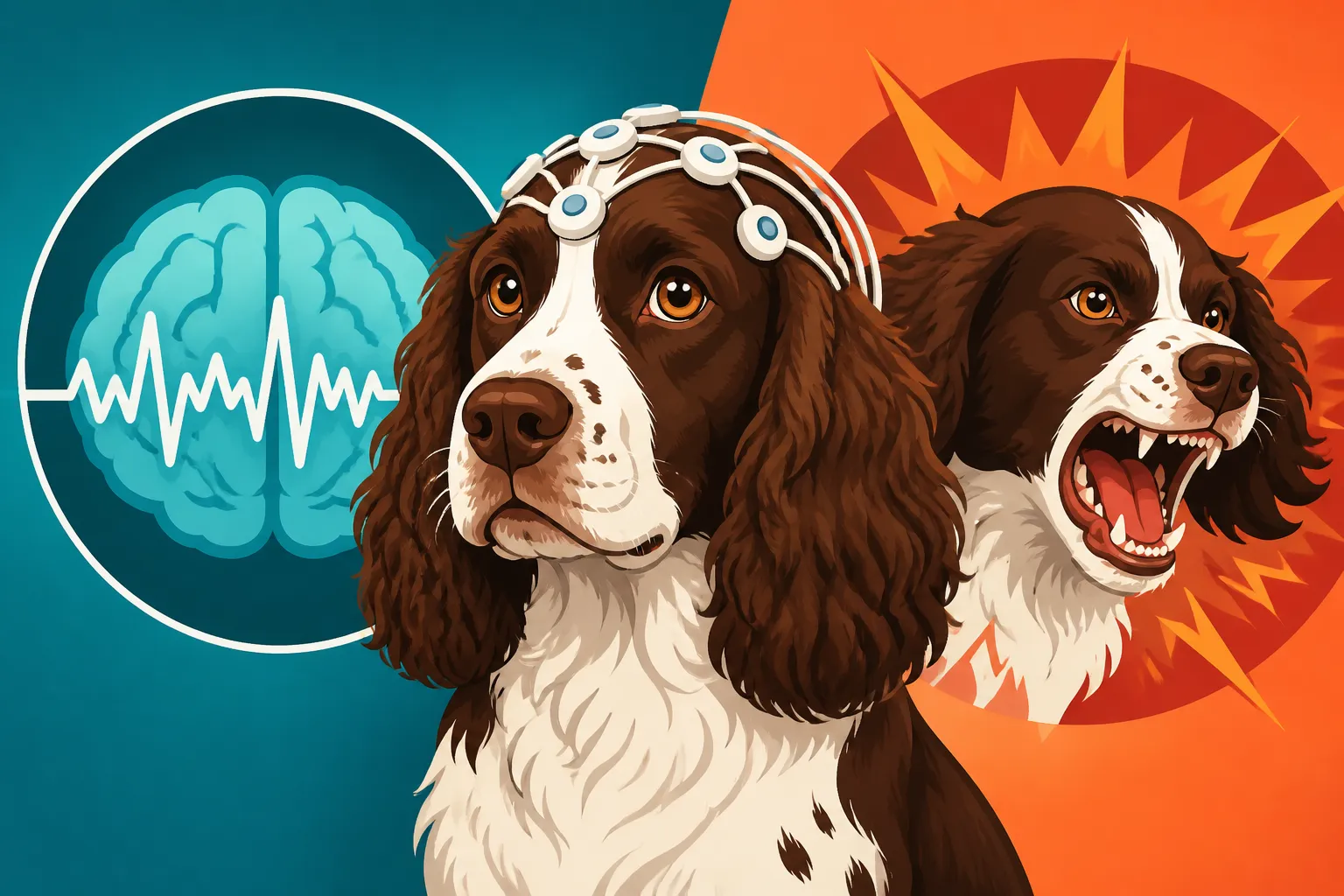
An EEG is a non-invasive test that measures the electrical activity of the brain. Tiny electrodes are attached to the scalp, which then pick up the electrical signals produced by brain cells, called neurons. These signals are amplified and recorded as wave patterns on a computer screen. Different patterns of brain waves are associated with different states of consciousness (awake, asleep) or various brain disorders. In veterinary medicine, performing an EEG usually requires the dog to be sedated or anesthetized to ensure stillness and prevent muscle artifacts from interfering with the readings. The goal is to detect abnormal electrical discharges, which can indicate conditions like epilepsy or other seizure disorders.
For instance, if a dog is experiencing seizures, an EEG might show characteristic "spike and wave" patterns that are indicative of abnormal neuronal firing. It can help identify the type of seizure activity, its origin in the brain, and assess the overall brain health. It's a fantastic tool for diagnosing overt seizure disorders and can sometimes even detect subclinical seizures – electrical activity that doesn't manifest as a full-blown physical seizure but is still indicative of abnormal brain function.
Limitations of EEG in Veterinary Neurology
While an EEG is invaluable for diagnosing epilepsy, it has significant limitations, particularly when applied to behavioral conditions like rage syndrome. The primary challenge is that many behavioral disorders, even those with a neurological component, don't necessarily manifest as continuous, identifiable abnormal electrical patterns on a routine EEG. Rage syndrome episodes are often sporadic and transient, meaning the brain's electrical activity might appear entirely normal during the brief period of the EEG recording, especially if the dog isn't actively experiencing an episode at that exact moment. This is a common hurdle when considering Whether Rage Syndrome Is Epilepsy in a Springer Spaniel, as true epilepsy usually has distinct EEG signatures.
Furthermore, an EEG only measures surface electrical activity. It might not detect abnormalities deep within the brain structures that could be contributing to complex behaviors. It's a broad brushstroke, not a fine-point pen. Behavioral issues often stem from intricate interactions of neurotransmitters, genetics, and environmental factors that an EEG simply isn't designed to capture directly. Therefore, a normal EEG result doesn't automatically rule out a neurological basis for a behavioral problem; it just means that the kind of electrical dysfunction detectable by an EEG wasn't present or wasn't observed during the test.
Can an EEG Confirm Rage Syndrome in Springer Spaniels?
This is the million-dollar question for many owners, and unfortunately, the answer is usually no, at least not directly. While an EEG is a powerful diagnostic tool, rage syndrome doesn't present with the clear, consistent electrical signatures that make epilepsy easily diagnosable via this method.
Why Rage Syndrome Isn't a Simple EEG Diagnosis
Rage syndrome, while thought to have a genetic and possibly neurological basis, isn't typically characterized by the type of continuous or episodic abnormal electrical activity that an EEG is designed to detect. It's often considered a behavioral diagnosis, made primarily by observing the specific, sudden, unprovoked aggression patterns, ruling out other medical causes, and often noting a genetic predisposition within a Springer Spaniel's lineage. Essentially, the brain's electrical signals during a rage episode might not show the distinctive "storm" of activity seen in epileptic seizures. Therefore, a routine EEG performed on a Springer Spaniel suspected of having rage syndrome is highly likely to come back as "normal" or show only non-specific, minor abnormalities that don't point to rage as a definitive diagnosis.
It's akin to trying to diagnose a complex psychological disorder in humans by looking at a brain scan; while brain imaging can sometimes show structural changes, it doesn't directly reveal thoughts or behavioral pathologies. The lack of a clear EEG marker means that while an EEG might rule out certain types of epilepsy, it won't give you a definitive "yes" or "no" for rage syndrome itself. This makes the diagnostic journey much more challenging, leaving owners to rely heavily on behavioral observations and veterinary expertise. This is why discussions often turn to Whether Medication Controls a Springer Spaniel's Rage, indicating a management approach rather than a simple cure through diagnosis.
Other Diagnostic Tools and Approaches
Given the limitations of EEG for rage syndrome, veterinarians typically employ a comprehensive diagnostic approach that focuses on ruling out other conditions and analyzing behavioral patterns. This usually begins with a thorough physical examination, a complete blood count (CBC), chemistry panel, and urinalysis to check for any underlying systemic diseases or metabolic imbalances that could cause aggression. For example, pain, thyroid dysfunction, or liver issues can sometimes manifest as behavioral changes. It's always a good idea to consider Whether a Springer Spaniel's Thyroid Should Be Checked for Aggression, as hypothyroidism can indeed impact temperament.
Advanced imaging, such as an MRI (Magnetic Resonance Imaging) of the brain, might be recommended. While an MRI doesn't measure electrical activity, it provides detailed images of brain structures, allowing veterinarians to detect tumors, inflammation, hydrocephalus, or other structural abnormalities that could be causing neurological signs, including aggression. A neurological exam by a veterinary neurologist is also critical. They can assess reflexes, gait, coordination, and cranial nerve function to pinpoint where in the nervous system a problem might lie. Ultimately, the diagnosis of rage syndrome often comes down to careful observation of the behavior itself, a detailed history provided by the owner, and the exclusion of all other potential medical causes. This exhaustive process is vital before considering how best to live with, and potentially manage, such a complex condition.
When to Consider an EEG for Your Springer Spaniel
Even with its limitations for directly diagnosing rage syndrome, an EEG still holds a place in the diagnostic toolbox for Springer Spaniels exhibiting sudden aggression. Its value lies primarily in helping to rule out other neurological conditions that might mimic rage, thereby narrowing down the possibilities.
Situations Where an EEG Might Still Be Useful
You might be thinking, "So if it doesn't diagnose rage, why bother?" Well, an EEG can be incredibly helpful in differentiating rage syndrome from true epileptic seizures. Sometimes, a dog might have partial seizures or focal seizures that manifest more as behavioral abnormalities rather than full-blown convulsions. In these cases, an EEG could potentially identify abnormal electrical activity consistent with epilepsy, providing a clear path for anti-seizure medication. If a veterinarian suspects underlying seizure activity, especially if the episodes involve any loss of consciousness, staring spells, or other subtle neurological signs, an EEG becomes a much more relevant diagnostic step.
It can also be a component of a larger neurological workup, especially if other neurological signs accompany the aggression, such as balance issues, weakness, or unexplained changes in consciousness. If a veterinary neurologist is trying to build a complete picture of your dog's brain health, an EEG might be included alongside an MRI and other tests to ensure no stone is left unturned. This is particularly relevant when the owner is deeply invested in understanding the root cause, and when pet insurance, like a plan from Healthy Paws, helps alleviate the financial burden of extensive diagnostics.
The Importance of a Full Veterinary Workup
Regardless of whether an EEG is performed, the most critical step when dealing with sudden, unprovoked aggression in your Springer Spaniel is to get a full, comprehensive veterinary workup. This isn't just about ruling out medical conditions; it’s about providing peace of mind and, most importantly, identifying any treatable causes. Aggression can be a symptom of many things, from pain and cognitive dysfunction to organ failure or even rare brain disorders. A thorough examination might involve blood tests, urinalysis, X-rays, ultrasounds, and potentially referrals to specialists like a veterinary neurologist or a veterinary behaviorist.
A veterinary behaviorist, in particular, will be instrumental in helping to diagnose behavioral conditions like rage syndrome based on your detailed observations and by implementing specific behavioral modification strategies. They can also provide guidance on managing the environment to reduce triggers and ensure safety, as well as discuss potential pharmaceutical interventions. Remember, diagnostics can quickly add up, especially if you're pursuing advanced imaging or specialist consultations. This is where pet insurance providers like Healthy Paws can really make a difference, covering a significant portion of these costs and allowing you to pursue the best possible care without added financial stress. Taking a proactive approach to understanding and addressing this complex issue is paramount for both your dog's well-being and the safety of your home. It’s a journey that requires patience, dedication, and the support of experienced professionals. For those contemplating the long-term implications, it's also worth considering Whether a Springer Spaniel With Rage Can Be Kept in a family environment.
Here's a quick look at how EEG findings might differ between typical epilepsy and what one might observe in rage syndrome:
| Feature | Typical Epilepsy (Generalized Seizures) | Rage Syndrome |
|---|---|---|
| EEG Primary Use | Diagnosing seizure disorders | Ruling out seizure disorders as a primary cause |
| Typical EEG Result | Distinctive "spike and wave" patterns, abnormal electrical discharges | Often normal; may show non-specific, minor abnormalities; no specific "rage" pattern |
| Manifestation | Recurrent, often predictable seizures (convulsive or non-convulsive) | Sudden, unprovoked, extreme aggression episodes |
| Brain Activity | Hyper-synchronous, abnormal neuronal firing | Potentially normal electrical activity during non-episode; unknown during episode itself |
| Post-Episode | Post-ictal confusion, lethargy | Confusion, disorientation, "remorseful" behavior |
| Diagnostic Role | Confirmatory (for epilepsy) | Primarily exclusionary; part of a broader workup |
When your Springer Spaniel exhibits sudden, unprovoked aggression, it's a terrifying and deeply upsetting situation. While an EEG is a vital tool for diagnosing certain neurological conditions, it's generally not a direct diagnostic test for rage syndrome itself. Instead, its primary value in these cases lies in helping to rule out other forms of epilepsy or neurological disorders that might be mimicking the symptoms of rage.
A comprehensive approach, involving thorough physical examinations, blood work, advanced imaging like MRI, and crucial behavioral evaluations by veterinary specialists, remains the most effective way to understand and manage this complex condition. Always work closely with your veterinarian and consider consulting a board-certified veterinary neurologist and behaviorist to create the most informed diagnostic and management plan for your beloved Springer Spaniel. This proactive approach ensures you're exploring every avenue to support your dog's health and maintain a safe, loving home environment.
Disclaimer
This article is for general informational purposes only and does not constitute professional advice. Laws, prices and regulations vary by location and change over time. Consult a qualified professional for guidance on your specific situation.