The Twelve to Fourteen Years a Springer Spaniel Lives
It’s a thought every dog owner has, often whispered in quiet moments: "How long will I have with them?" When you bring an English Springer Spaniel into your life, with their boundless energy, loving eyes, and penchant for adventure, you dream of years of companionship. The hard truth is, no dog lives forever, but understanding the typical lifespan of a Springer and the factors that influence it can empower you to give your furry friend the best possible chance at a long, vibrant life. This comprehensive guide will explore what you can expect in terms of longevity and how your dedicated care plays a crucial role in maximizing those precious years.
Understanding the Typical Springer Spaniel Lifespan
When you welcome a Springer Spaniel into your family, you're signing up for a journey that, on average, lasts a good 12 to 14 years. It’s a respectable run for a medium-sized breed, falling right in the sweet spot where many of our beloved canine companions reside. Of course, this is an average, and like any living being, individual experiences can vary wildly. Some Springers might grace your life for a decade, while others, with a bit of luck and excellent care, might sail past their 15th birthday, still eager for a walk or a game of fetch.
The Average Years to Expect
The general consensus among veterinarians and breed enthusiasts is that English Springer Spaniels typically live between 12 and 14 years. This lifespan puts them in a favorable position compared to many larger breeds, which often have shorter life expectancies due to faster growth and higher incidence of certain health issues. For a Springer, those years are usually packed with activity, loyalty, and an unshakeable zest for life. They are, after all, bred to be active companions, whether in the field or at home, and their robust nature often contributes to their resilience.
When you're looking at puppies, a reputable breeder will often discuss the longevity of their lines, giving you some insight into what you might expect. While genetics aren't the only piece of the puzzle, they lay a foundational blueprint for health and potential lifespan. Knowing that you're likely to have over a decade with your Springer Spaniel is a comforting thought, but it also underscores the responsibility to provide consistent, high-quality care throughout their entire life.
Factors Influencing Longevity
While the 12-14 year window is a good benchmark, several factors can significantly influence whether your Springer Spaniel lands on the shorter or longer end of that spectrum. It’s a complex interplay of genetics, environment, and daily choices. For instance, a Springer Spaniel raised with consistent veterinary care, a balanced diet, and plenty of exercise is inherently more likely to thrive for longer than one whose basic needs are neglected or who faces unforeseen health challenges.
One of the biggest distinctions often discussed is the difference between a field-bred and a show-bred Springer Spaniel. While both are technically the same breed, their breeding priorities have led to some subtle differences in conformation and, sometimes, in robustness. Field-bred Springers are often leaner and possess an even higher drive for activity, which might contribute to maintaining a healthier weight and cardiovascular system throughout their lives. Show-bred Springers, on the other hand, might be heavier-boned and have more extensive coats, which could require different grooming and sometimes lead to different types of health considerations, such as a tendency towards obesity if not managed carefully. Understanding these nuances can help you tailor your care to your specific dog’s needs.
Genetic Health Predispositions and Their Impact
No breed is entirely free from genetic predispositions, and the English Springer Spaniel is no exception. While generally a healthy breed, they do have a handful of conditions that conscientious owners and breeders need to be aware of. These inherited conditions can, unfortunately, sometimes shorten a dog's life or significantly impact its quality. Awareness is your first line of defense.
Inherited Conditions That Can Shorten Life
One of the most devastating conditions that can affect Springer Spaniels is Fucosidosis, a rare but fatal neurological disorder. It's a cruel disease that progressively deteriorates the nervous system, with symptoms appearing typically between 18 months and 4 years of age, and it can sadly lead to the Springer Spaniel dying within weeks of the first sign. Another serious inherited condition is PFK Deficiency and the Springer Spaniel That Collapses After Exercise. This metabolic disorder affects a dog's ability to properly use glucose for energy, leading to muscle weakness, anemia, and collapse, especially after strenuous activity or stress. While dogs with PFK can be managed, severe episodes can be life-threatening.
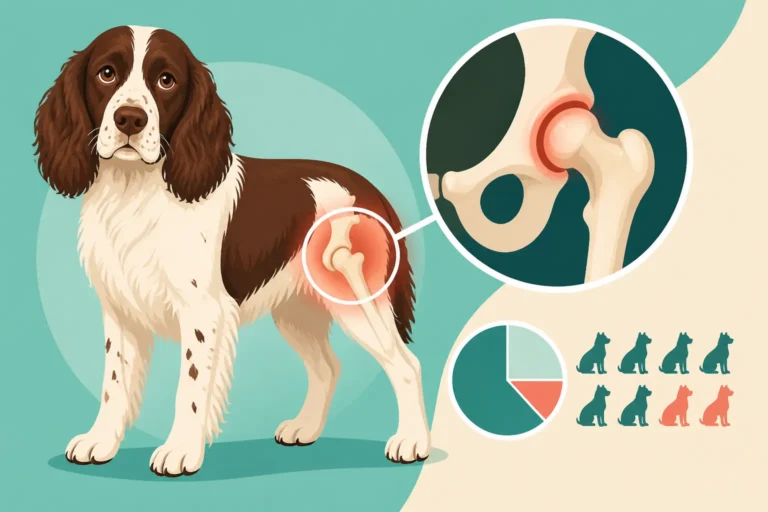
Beyond these, there are other genetic issues that, while perhaps not directly life-shortening in every case, can significantly impact a dog's well-being and require extensive management. Hip Dysplasia in a Springer Spaniel is a common orthopedic problem that can lead to chronic pain and arthritis, sometimes necessitating early euthanasia if pain cannot be controlled. Eye diseases like Progressive Retinal Atrophy (PRA) can lead to blindness, affecting a dog's quality of life and potentially exposing them to more hazards. Though not physical, the rare and complex condition known as Rage Syndrome in an English Springer Spaniel, characterized by sudden, unprovoked aggression, is a severe neurological issue that, if unmanageable, can sadly lead to difficult decisions for families.
The Importance of Responsible Breeding and Health Testing
Given these genetic risks, the importance of responsible breeding cannot be overstated. A truly ethical breeder will go to great lengths to ensure they are not passing on these conditions. This means conducting comprehensive health screenings on their breeding stock long before any puppies are conceived. One crucial step is using The DNA Test That Should Precede Every Springer Spaniel Purchase. Tests for Fucosidosis and PFK deficiency are readily available and should be a non-negotiable part of a breeder’s protocol. Reputable breeders will be transparent with these results and happy to discuss the health history of their lines.
Beyond DNA tests, orthopedic evaluations like OFA (Orthopedic Foundation for Animals) certifications for hips and elbows, as well as regular eye exams performed by a veterinary ophthalmologist, are essential. These screenings help ensure that parents are free from conditions like hip dysplasia or hereditary eye diseases before they are bred. By choosing a puppy from parents who have undergone thorough health testing, you significantly increase the likelihood of bringing home a healthier dog with a better chance at a long, full life, minimizing the heartbreak and financial burden of inherited diseases down the line.
The Role of Diet and Nutrition in Longevity
What you put in your Springer Spaniel's bowl every day is one of the most direct ways you can influence their health and, by extension, their lifespan. Just like with people, a well-balanced diet fuels every system in their body, helping them grow, thrive, and ward off illness. It's not just about filling their belly; it's about providing the right nutrients in the right amounts.
Feeding for Optimal Health at Every Life Stage
A Springer Spaniel's nutritional needs aren't static; they change dramatically from puppyhood through their senior years. A rapidly growing puppy needs a diet rich in appropriate proteins and fats to support bone, muscle, and brain development, but care must be taken not to overfeed, which can lead to too-rapid growth and exacerbate orthopedic issues like hip dysplasia. As they transition into adulthood, their energy demands remain high, especially if they are working dogs or highly active family companions. A high-quality, balanced adult dog food formulated for active medium-sized breeds is usually ideal, providing sustained energy without excess calories.
When your Springer Spaniel enters their senior years, typically around the age of eight or nine, their metabolism slows down, and their activity levels might decrease. This is when adjustments become critical. Feeding for a dog Caring for a Springer Spaniel Past Nine means considering foods with fewer calories to prevent weight gain, often with added joint support ingredients like glucosamine and chondroitin, and easily digestible proteins. Some senior formulas also include antioxidants and omega fatty acids to support cognitive function and maintain a healthy coat and skin. It’s worth discussing these transitions with your veterinarian to ensure your dog is getting precisely what they need.
Managing Weight to Prevent Disease
Perhaps one of the most critical aspects of diet for longevity is weight management. An overweight Springer Spaniel is not just a little chunky; they are at significantly higher risk for a cascade of serious health problems that can absolutely shorten their life. Excess weight puts undue strain on joints, worsening conditions like arthritis and hip dysplasia. It also increases the risk of heart disease, diabetes, certain types of cancer (such as Which Cancers Springer Spaniels Get), and even respiratory issues.
It can be deceptively easy for a Springer Spaniel to gain weight, especially if they are getting too many treats or not enough exercise. They are incredibly food-motivated! Regularly assess your dog’s body condition; you should be able to easily feel their ribs without seeing them, and they should have a discernible waist when viewed from above. If you’re struggling with weight management, your vet can help create a customized feeding plan, calculate appropriate daily caloric intake, and suggest healthy treat alternatives. Preventing obesity is a cornerstone of ensuring your Springer Spaniel enjoys as many healthy years as possible.
Exercise and Mental Stimulation for a Long Life
Ask any Springer Spaniel owner, and they’ll tell you: these dogs are athletes. Their history as flushing gundogs means they are hardwired for activity, endurance, and intelligent work. Providing adequate exercise and mental stimulation isn't just about good behavior; it's absolutely vital for their physical health and, consequently, their lifespan. A bored, underexercised Springer is not a healthy Springer.
Meeting the Springer Spaniel's High Energy Needs
English Springer Spaniels require a substantial amount of daily exercise – we're talking at least 60 to 90 minutes of vigorous activity, often more for field-bred lines. This isn't just a leisurely stroll around the block; it means off-leash running, retrieving, swimming, or engaging in dog sports. Think long hikes, enthusiastic games of fetch, or even participating in agility or obedience classes. This consistent physical exertion keeps their heart healthy, muscles strong, and helps maintain a healthy weight. Without it, their powerful bodies deteriorate, and they become more susceptible to injury and illness.
The benefit extends beyond the physical, too. When a Springer Spaniel is adequately exercised, they are less likely to develop destructive behaviors stemming from boredom and pent-up energy, such as chewing furniture or incessant barking. A tired Springer is a well-behaved and happier Springer, and a happy dog is often a healthier dog. Integrating a variety of activities can keep things fresh for your dog and prevent them from becoming bored with the same old routine.
The Dangers of Insufficient Activity
The flip side of the Springer Spaniel's high energy is the detrimental effect of insufficient activity. A Springer who isn’t getting enough exercise is likely to become overweight or obese, which, as we discussed, paves the way for a host of health problems. Beyond physical ailments, a lack of mental and physical stimulation can lead to significant behavioral issues like anxiety, hyperactivity indoors, and even aggression born from frustration. These behavioral problems can put a tremendous strain on the owner-dog bond and, in extreme cases, contribute to dogs being surrendered to shelters, often cutting short their potential lifespan.
Imagine a highly intelligent, driven individual forced to sit still all day with nothing to do – that's often what an underexercised Springer Spaniel experiences. They need a "job," whether it's retrieving bumpers, quartering a field (even if it's just your yard, as explored in Why a Springer Spaniel Quarters Your Yard Without Being Asked), or working on advanced obedience commands. Neglecting this fundamental need is not just unkind; it actively compromises their long-term health and emotional well-being, both of which are critical for a long, happy life.
Preventative Veterinary Care and Early Detection
Think of your veterinarian as a partner in your Springer Spaniel's long-term health. Regular check-ups and being proactive about potential issues can literally add years to your dog’s life. Catching problems early, before they become severe, is key to effective treatment and better outcomes.
The Importance of Regular Vet Check-ups
Just like we go for annual physicals, your Springer Spaniel needs regular veterinary check-ups, typically once a year for adults and more frequently for puppies and seniors. These visits are much more than just getting vaccinations; they are an opportunity for your vet to perform a thorough physical examination, checking everything from their teeth and ears (a notorious trouble spot for the breed, as detailed in Why a Springer Spaniel's Ears Are Never Quite Healthy) to their heart, lungs, and joints. They can also discuss appropriate parasite prevention, nutrition, and any behavioral changes you might have noticed.
For senior Springers, typically from around The Age a Springer Spaniel Counts as a Senior, these check-ups might become twice-yearly. This increased frequency allows for earlier detection of age-related conditions like arthritis, kidney disease, heart murmurs, or emerging cancers. Blood work and urinalysis become more important screening tools in older dogs, providing a snapshot of their internal organ function before outward symptoms become obvious. The cost of these routine visits, while an investment, pales in comparison to the expense and heartache of treating advanced illnesses that could have been caught sooner. Consider pet insurance like Healthy Paws to help manage these routine and unexpected veterinary expenses throughout your dog's life.
Recognizing Early Signs of Common Ailments
As a Springer Spaniel owner, you are your dog’s best advocate. You see them every day and are most attuned to subtle changes in their behavior or physical condition. Being observant can make all the difference. For instance, a slight limp might be the first sign of developing arthritis or a more serious orthopedic issue. Increased thirst and urination could point to kidney disease or diabetes. A change in appetite, sudden weight loss or gain, lethargy, or new lumps and bumps (which you should always have checked by a vet, especially given Which Cancers Springer Spaniels Get) are all red flags that warrant a veterinary visit.
Even seemingly minor issues, like persistent ear scratching or head shaking, shouldn't be ignored, as they can indicate an ear infection that, if left untreated, can lead to chronic problems and even affect their hearing long-term. Similarly, if your Springer Spaniel seems to be slowing down on walks, it might not just be "getting old" but a sign of underlying pain, such as from hip dysplasia, or even conditions like Whether a Springer Spaniel Gets Hypothyroidism, which can manifest as lethargy and coat changes. Don't hesitate to contact your vet with any concerns; it's always better to be safe than sorry.
Managing Common Age-Related Issues
As our beloved Springer Spaniels get older, it's inevitable that they will start to experience some of the common aches, pains, and cognitive shifts that come with age. Just as we care for our aging human family members, understanding and proactively managing these changes can vastly improve their quality of life and help them remain comfortable and happy in their golden years.
Arthritis and Joint Care
Arthritis is an incredibly common foe for aging dogs, especially active breeds like Springer Spaniels who have put a lot of mileage on their joints. You might notice your dog is slower to get up, hesitant to jump, or limping after exercise. This isn't just a sign of old age; it's often a painful condition that needs management. Early diagnosis and intervention are crucial. Your vet can recommend a multi-modal approach which might include anti-inflammatory medications, joint supplements (like glucosamine and chondroitin), physical therapy, and even laser treatments. Keeping your senior Springer at a lean weight is also paramount, as every extra pound adds strain to already compromised joints.
Creating a comfortable environment is equally important. Soft, orthopedic beds can provide much-needed support for aching joints. Ramps for cars or furniture can help them avoid painful jumps, reducing the risk of further injury. Regular, gentle exercise, such as short, leashed walks or swimming, can help maintain muscle mass and joint flexibility without overdoing it. Supplements like omega-3 fatty acids, often found in fish oil, can also help reduce inflammation. Discuss these options with your vet to create a tailored plan for your dog. Pet insurance plans, such as those offered by Healthy Paws, can be invaluable in covering the ongoing costs of arthritis management, which can quickly add up.
Cognitive Decline and Sensory Changes
Just like people, some Springer Spaniels can experience cognitive decline as they age, often referred to as Canine Cognitive Dysfunction (CCD). This can manifest as disorientation (getting "stuck" in corners, staring blankly), changes in sleep-wake cycles (pacing at night, sleeping more during the day), altered social interactions (less greeting, more irritable), or house-soiling accidents even in previously perfectly house-trained dogs. It's heartbreaking to see, but there are ways to help. Your vet can rule out other medical causes for these symptoms and may prescribe medications that can help slow the progression of CCD or alleviate some symptoms.
Alongside cognitive changes, many older Springers will experience a decline in their senses. Their hearing might diminish, or their eyesight might worsen, potentially leading to conditions like cataracts. While we can’t stop time, we can adapt their environment. Keep furniture in consistent places, maintain predictable routines, and use scent or touch cues rather than verbal ones if their hearing is failing. A blind Springer Spaniel can cope surprisingly well at home with familiar surroundings. Being patient and understanding of these changes, and providing a safe, stable, and loving environment, goes a long way in ensuring their comfort and happiness in their twilight years.
Environmental Factors and Safety
A long life isn't just about good genes and vet care; it's also about the everyday environment your Springer Spaniel lives in. Their surroundings, both indoors and out, play a huge role in preventing accidents, exposures to toxins, and maintaining their overall well-being. Thinking proactively about safety can prevent many unfortunate incidents.
Protecting Your Springer from Hazards
Springer Spaniels are curious and often driven by their powerful noses. This can lead them into trouble if you're not careful. Common household hazards include toxic foods (chocolate, xylitol, grapes, onions), poisonous plants (lilies, sago palms, oleander), and cleaning products or medications left within reach. Keep all chemicals, medications, and potentially harmful substances securely stored. When outdoors, be mindful of rodenticides, slug bait, antifreeze, and fertilizers, all of which are highly toxic. During walks, be vigilant about discarded food or objects on the ground, as Springers are notorious for scavenging.
Furthermore, outdoor activities, while essential for a Springer, come with their own risks. Working dogs, or those regularly hiking in dense brush, are prone to issues like Burrs, Ticks and Grass Awns in a Working Springer Spaniel, which can embed in fur, ears, or paws, causing serious infections if not removed promptly. Always check your dog thoroughly after outdoor adventures. In warmer climates, be aware of heatstroke, especially given their dense coat and high energy levels; always provide fresh water and shade. Even something as simple as a broken fence could lead to your dog getting lost or hit by a car, making a secure yard a non-negotiable safety measure.
Creating a Safe and Stimulating Home Environment
Beyond preventing exposure to outright hazards, creating a home environment that is both safe and stimulating is vital for a Springer Spaniel's long-term well-being. For a breed prone to separation anxiety, as discussed in The Springer Spaniel That Cannot Be Left Alone, a secure and comforting "den" area, such as a crate, can be incredibly beneficial. Ensuring they have appropriate chew toys helps prevent them from chewing on dangerous household items and provides an outlet for their natural instincts.
For older dogs with mobility issues, simple modifications can make a huge difference. Non-slip rugs on slick floors can prevent falls, and baby gates can restrict access to stairs if they become a challenge. Providing elevated food and water bowls can also make eating and drinking more comfortable for arthritic necks. A mentally stimulating environment, even indoors, is also key. Puzzle toys, regular training sessions, and interactive games can keep their minds sharp, especially as they age and their physical activity might be more limited. A comfortable, predictable, and engaging home contributes significantly to a dog’s overall happiness and health.
The Emotional Well-being of Your Springer Spaniel
We often focus on the physical aspects of health, but a dog's emotional well-being is just as crucial for a long and healthy life. Stress, anxiety, and a lack of social connection can have tangible negative impacts on their physical health, just as they do for humans. Nurturing a happy, confident Springer Spaniel contributes significantly to their longevity.
The Impact of Stress and Anxiety on Health
Springer Spaniels are incredibly sensitive and thrive on companionship and routine. Chronic stress or anxiety, such as that stemming from constant loneliness, loud environments, or inconsistent handling, can take a serious toll on their physical health. Stress can suppress the immune system, making them more susceptible to infections and illnesses. It can also exacerbate existing conditions, contribute to gastrointestinal issues, or lead to excessive licking and self-mutilation, creating hot spots or skin infections. For a breed that bonds so deeply with its family, long periods of isolation can be profoundly distressing.
A dog experiencing significant stress might show subtle signs like lip-licking, yawning, excessive panting, or tucked ears, escalating to more obvious signs like destructive chewing, house-soiling, or even aggression if not addressed. Early intervention with a qualified trainer or veterinary behaviorist, combined with creating a more stable and predictable environment, can mitigate these negative effects. If medication is needed, your vet can discuss options. Supporting their mental health is not just about making them "feel better"; it's about protecting their physical health for the long run.
Fostering a Happy and Secure Bond
Building a strong, positive relationship with your Springer Spaniel is one of the best gifts you can give them. They are dogs that crave interaction and thrive when they feel secure and loved. Consistent training, using positive reinforcement methods, helps build confidence and provides mental stimulation. Remember that a Springer Spaniel is a Soft Springer Spaniel That Shuts Down If You Shout, so gentle, encouraging methods are always best. Spending quality time together, whether it’s through training, play, or simply cuddling on the couch, strengthens your bond and reinforces their sense of belonging.
Socialization from a young age is also vital, exposing them positively to different people, places, sounds, and other dogs. This helps them become well-adjusted adults who can navigate various situations without undue stress. A secure dog is a confident dog, and a confident dog is generally a happier, healthier one. By investing in their emotional well-being, providing a stable, loving home, and engaging them both physically and mentally, you are setting the stage for your Springer Spaniel to not just live a long life, but a truly rich and fulfilling one by your side.
Lifespan Comparison and Health Milestones
Understanding the broader context of a Springer Spaniel's lifespan, how it compares to other breeds, and what milestones to look for can help owners prepare for each stage of their dog's life journey.
| Life Stage | Age Range (Approx.) | Common Health Concerns | Preventative Measures |
|---|---|---|---|
| Puppy | 0-1 year | Parvovirus, Distemper, Worms, Kennel Cough | Full vaccination series, deworming, socialization |
| Adolescent | 1-2 years | Injuries, Sprains, Early hip/elbow issues | Continued training, moderate exercise, health testing |
| Adult | 2-8 years | Ear infections, Allergies, Dental disease | Annual vet checks, dental care, consistent grooming |
| Senior | 8+ years | Arthritis, Cancer, Kidney disease, CCD | Bi-annual vet checks, blood work, joint supplements |
The average lifespan of a Springer Spaniel at 12-14 years is quite good. For comparison, smaller dogs often live longer (14-16+ years), while giant breeds might only live 7-10 years. This puts the Springer Spaniel right in the middle, benefiting from a good genetic foundation when responsibly bred. This breed's robust nature, combined with their intelligence and eagerness to please, makes them generally adaptable and resilient, which contributes positively to their overall longevity.
Disclaimer
Please remember that this article provides general information and guidance. Every Springer Spaniel is an individual, and health conditions can vary. Always consult with your veterinarian for personalized advice regarding your dog's health, diet, exercise, and any medical concerns. They are your best resource for ensuring your Springer Spaniel lives the longest, healthiest, and happiest life possible.