Whether a Springer Spaniel Puppy Bites Hard
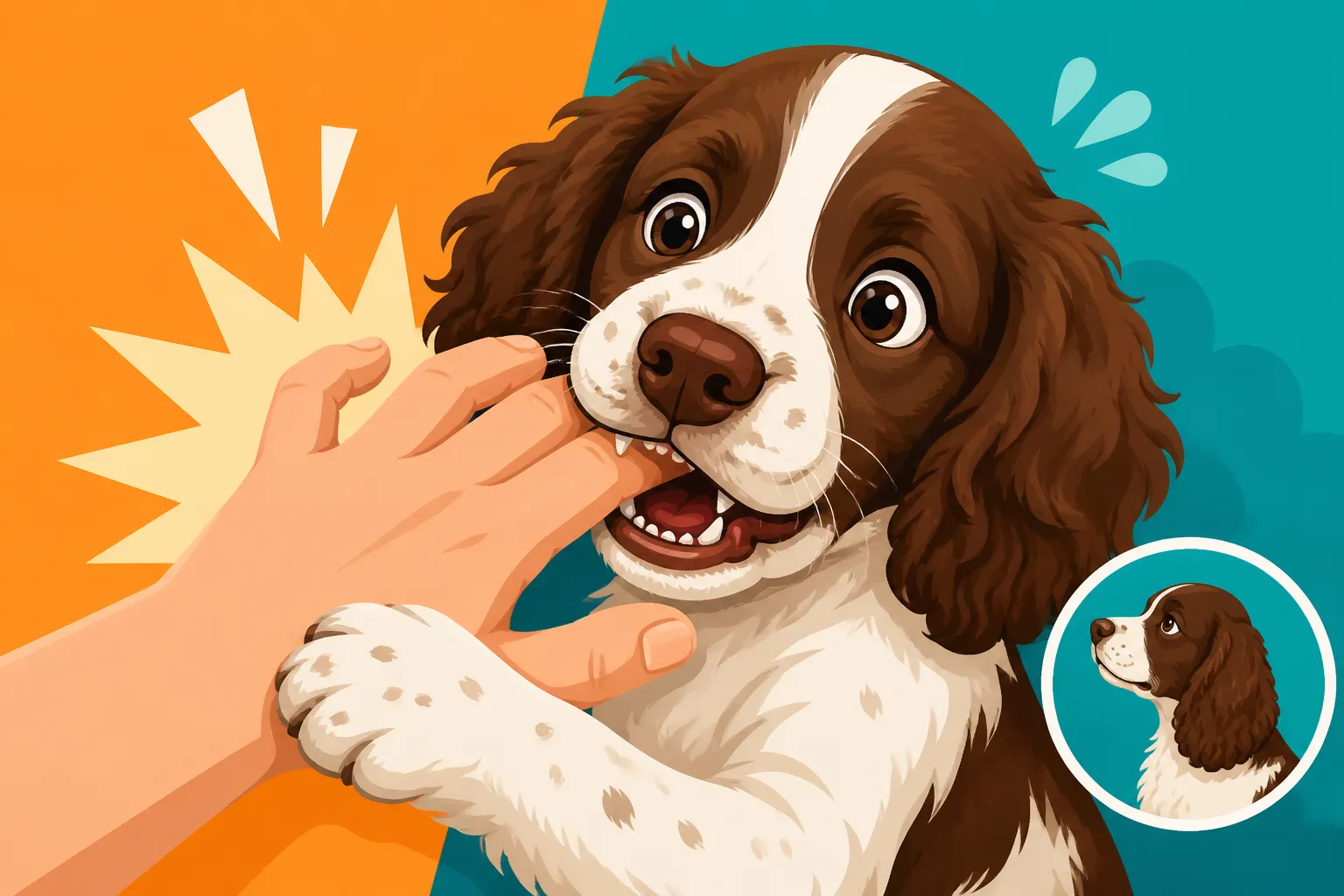
Bringing home a Springer Spaniel puppy is often a whirlwind of boundless energy, floppy ears, and, for many new owners, a startling introduction to surprisingly sharp puppy teeth. Those adorable little bundles of fur have a natural tendency to explore their world and communicate with their mouths, which can lead to frequent nips and sometimes genuinely hard bites that leave you wondering if you've adopted a tiny land shark. This guide is here to shed light on why your Springer Spaniel puppy might be biting hard, what "hard" really means at this stage, and how you can effectively steer them towards gentler interactions.
The Instinctive Drive: Why Springer Spaniel Puppies Use Their Mouths
It’s completely normal for a Springer Spaniel puppy, or any puppy for that matter, to use its mouth extensively. They don't have hands to explore textures, grab objects, or interact with their environment; their mouth is their primary tool. Understanding this natural instinct is the first step in approaching puppy biting with patience and the right training mindset.
Exploring Their World Through Nibbling
Imagine a human baby, constantly reaching out to touch everything, putting anything and everything into their mouth. A Springer Spaniel puppy is doing the same thing, just with a more pointed and numerous set of teeth. They explore new objects, people, and even their littermates by mouthing them. Is this object soft or hard? Does it taste good? What happens when I put my mouth on this? Every gentle nibble and every firmer bite is a data point for their developing brains. They're learning about pressure, texture, and the reactions of those around them. This exploration is crucial for their development, so completely suppressing mouthing isn't the goal; rather, it's about channeling it appropriately.
The Teething Phase and Discomfort
Just like human babies, Springer Spaniel puppies go through a teething phase, and it’s no picnic for them either. From around 3 weeks to 6 months of age, they're losing their baby teeth and growing in their adult set. This process can be uncomfortable, even painful. Their gums might be sore, itchy, or inflamed, and biting provides relief. Chewing helps to massage their gums and dislodge stubborn baby teeth. If your Springer Spaniel puppy seems to be biting everything with renewed vigor, especially during the 3-5 month mark, it’s a strong indicator that teething is at play. Providing plenty of appropriate, safe chew toys during this period is absolutely essential to save your hands and furniture.
Learning Boundaries from Littermates
One of the most important lessons a puppy learns about bite inhibition comes from its littermates and mother. When puppies play, they mouth each other. If one puppy bites another too hard, the bitten puppy will yelp loudly and often stop playing. This immediate feedback teaches the biter that "oops, that was too much, game over!" This natural consequence is vital for developing what we call "bite inhibition" – the ability to control the force of their bite. Puppies removed from their litter too early, say before 8 weeks, might miss out on some of these crucial lessons, making them more prone to biting hard later on. Reputable breeders understand the importance of this socialization period, ensuring puppies learn these vital skills before going to their new homes.
Understanding "Hard" Biting in a Springer Spaniel Puppy
When an owner says their Springer Spaniel puppy bites "hard," it often means a few things, combining the physical sensation of those tiny teeth with the actual force behind them. It’s important to distinguish between the sharpness of puppy teeth and a true lack of bite inhibition, as well as recognizing the rare instances where genuine aggression might be a concern.
The Peculiar Sharpness of Puppy Teeth
Let's be honest: puppy teeth are like tiny, razor-sharp needles. They're designed to be sharp to help them tear meat once they start on solid food, but they certainly aren't designed with human skin in mind. So, when your Springer Spaniel puppy nips you, even if they're exerting very little force, the sheer sharpness of those little fangs can make it feel incredibly painful. It’s a very different sensation from an adult dog's blunt teeth, which might apply more pressure but feel less piercing. Don't confuse the pain from sharpness with the puppy intentionally trying to hurt you or being aggressive. Most of the time, they simply don't understand how sensitive human skin is. They're just playing the way they would with a littermate, unaware of the damage their tiny teeth can do.
The Developing Art of Bite Inhibition
A puppy who bites "hard" often hasn't fully learned bite inhibition yet. This isn't usually a sign of malice, but rather a lack of understanding. Bite inhibition is the concept we discussed earlier: the ability to control the force of a bite. A well-socialized dog should be able to mouth a human without causing injury. In fact, if something truly painful happens, like you accidentally step on their paw, they might give a warning nip, but it should be a controlled, inhibited bite – a warning, not an attack designed to harm.
When your Springer Spaniel puppy bites hard, it means they haven't learned this fine motor control. They don't realize how much pressure is too much. This is where consistent, gentle training comes in. Our goal is to teach them that human skin is fragile, and play stops when teeth exert too much pressure. This is a crucial lesson that every puppy needs to learn, especially for a breed like the Springer Spaniel that is often around families and children. Think of it as teaching them an essential life skill that will make them a safe and pleasant companion as they grow.
Distinguishing Play from Aggression
It’s natural to worry when a puppy bites, especially if it's painful. However, true aggression in a young puppy is incredibly rare. Most "hard" biting from a Springer Spaniel puppy is rooted in play, exploration, or teething discomfort. You'll typically see accompanying body language that confirms it's play: a wagging tail, bouncy movements, a "play bow," and an eagerness to re-engage after a brief pause. They might be a bit over-excited, but their overall demeanor is friendly and interactive.
Aggression, on the other hand, looks very different. It might involve snarling, growling with a stiff body, a prolonged hard bite without immediately letting go, raised hackles, or attempts to guard resources. If you ever see these signs, especially when combined with a lack of typical puppy playfulness, it's a serious concern that warrants immediate professional evaluation from a veterinarian and a certified behaviorist. However, for the vast majority of Springer Spaniel puppy owners, those painful nips are simply enthusiastic, poorly-inhibited play. For more on ensuring a well-adjusted companion, read about The First Year With a Springer Spaniel Puppy.
Gentle Guidance: Teaching Bite Inhibition and Redirection
Teaching a Springer Spaniel puppy appropriate bite inhibition is less about punishment and more about consistent communication and redirection. Your goal is to help them understand that human skin is delicate and that there are much better, more satisfying things to chew on. Patience and consistency are your best friends here.
The "Ouch!" Method and Time-Outs
This is a classic and effective method, mimicking how littermates teach each other. When your Springer Spaniel puppy bites too hard during play, let out a high-pitched "Ouch!" or "Yelp!" immediately. Make it clear and sudden. Then, instantly withdraw your attention and hand. If the puppy pauses or backs off, you can praise them softly and resume gentle play. If they continue to nip or get even more excited, it’s time for a brief "reverse time-out."
A reverse time-out means you leave the situation. Step behind a baby gate, turn your back, or even leave the room for 10-20 seconds. This teaches your puppy that hard biting makes the fun stop. They learn that the consequence of biting too hard isn't punishment, but the loss of your presence and play. As soon as you return, if they are calm, you can re-engage with a toy, but be prepared to repeat the process. Consistency is paramount. The more consistently you apply this, the faster your Springer Spaniel puppy will connect their bite force to your reaction. This method is effective because Springer Spaniels are typically eager to please and value interaction, so losing it is a strong motivator.
Redirection with Appropriate Chew Toys
One of the most powerful tools in your arsenal is redirection. Always have a variety of engaging, puppy-safe chew toys readily available. When your Springer Spaniel puppy starts to mouth your hands or clothes, immediately offer them an appropriate toy. Praise them enthusiastically when they take the toy in their mouth and chew on it instead. This teaches them, "Ah, this is what I'm supposed to chew on!"
Look for toys with different textures and durability. Some puppies love soft, plush toys, while others prefer harder rubber or nylon chews. For teething puppies, frozen Kongs filled with peanut butter or plain yogurt, or specific teething rings, can provide immense relief. You can easily find a wide array of options on platforms like Amazon, ensuring you have a steady supply to rotate through. Having diverse toys helps keep their interest and provides appropriate outlets for their chewing needs. Remember, a bored puppy with nothing to chew on will often find something inappropriate – like your hand or the leg of a chair!
Structured Play and Mental Stimulation
While free-for-all play is great, structured play can also help manage biting. Engage your Springer Spaniel puppy with toys that keep your hands safe, like flirt poles or tug ropes (but ensure you teach a "drop it" command early). These games allow them to satisfy their predatory instincts and use their mouths on appropriate objects.
Mental stimulation is just as important as physical exercise for a Springer Spaniel. A tired mind is often less prone to mischievous biting. Puzzle toys, scent work games (like hiding treats for them to find), or short, engaging training sessions can burn mental energy effectively. A short session on learning a new trick can be as tiring as a walk around the block. For structured guidance on early training, consider resources like BAXTER & Bella, which offer comprehensive puppy programs that cover bite inhibition and other crucial behaviors. Engaging their intelligent brains can significantly reduce unwanted mouthing. Learning about The Age a Springer Spaniel Puppy Stops Mouthing can help you set realistic expectations.
The Importance of Consistency
This cannot be stressed enough: consistency is the absolute key to success when teaching bite inhibition. Every person in the household needs to be on the same page. If one person allows hard biting and another gives a time-out, your Springer Spaniel puppy will become confused and the learning process will be much slower, if it happens at all.
Establish clear rules: no teeth on human skin, ever. If teeth touch, the interaction stops immediately. Make sure children in the home understand this rule too, and supervise their interactions closely. Young children, especially, need to be taught how to interact gently with a puppy and to understand when to disengage. It takes repetition, patience, and a unified front from everyone involved to effectively communicate these boundaries to your smart, but still very young, Springer Spaniel.
Here's a quick comparison of effective redirection tools:
| Tool Category | Best For | Benefits | Considerations |
|---|---|---|---|
| Rubber Chew Toys | General chewing, teething, dental health | Durable, often textured for gum massage, long-lasting | Ensure appropriate size for puppy; some can be too hard for young teeth |
| Kongs (frozen) | Teething relief, mental stimulation, crate time | Soothes sore gums, keeps puppy occupied, can be food-stuffed | Requires preparation; can be messy if not in a designated area |
| Flirt Poles | Burning energy, predatory play, exercise | Keeps hands safe, great for chase drive, good exercise | Use in an open space; ensure toy is easily detached if puppy catches it |
| Rope Toys | Tug games, fetching, carrying | Good for interactive play; satisfying texture | Supervise to prevent ingestion of strands; not for aggressive chewers |
| Puzzle Feeders | Mental stimulation, slow feeding | Engages brain, slows eating, reduces boredom-related biting | Can be messy; requires regular cleaning; choose appropriate difficulty level |
When to Seek Professional Help for Persistent Biting
While puppy biting is normal, there are certainly times when it crosses the line from typical puppy antics into something more concerning. Knowing when to reach out for professional guidance can make all the difference in shaping your Springer Spaniel into a well-behaved adult.
Recognizing Signs Beyond Normal Puppy Play
Most puppy biting, even if "hard," is playful and lacks malicious intent. However, if you notice any of the following, it might be time to seek expert advice:
- Intense, unrelenting biting: If your puppy's bites are consistently hard, cause bleeding, and they don't respond to your "yelps" or time-outs, they might have a significant lack of bite inhibition.
- Growling, snarling, or stiff body language: As mentioned earlier, true aggression is rare in young puppies, but if your Springer Spaniel puppy exhibits these behaviors during biting episodes, especially if guarding food or toys, it's a red flag.
- Biting out of fear or anxiety: If your puppy bites when cornered, startled, or when trying to retreat, it could indicate underlying fear-based aggression rather than play. These puppies often show other signs of anxiety, like tucked tails or flattened ears.
- Biting targeting specific areas: If your puppy consistently targets faces, ears, or other vulnerable areas, even if in play, it needs to be addressed immediately.
- Lack of improvement: If, despite consistent training efforts over several weeks, your Springer Spaniel puppy's biting doesn't improve or even seems to escalate, a professional can offer fresh insights and strategies.
Don't ignore these signs hoping they will "grow out of it." While some behaviors do diminish with age, serious biting issues require intervention. For guidance on appropriate corrections, see The Soft Springer Spaniel That Shuts Down If You Shout.
Consulting Your Veterinarian
Your first point of contact should always be your veterinarian. They can rule out any underlying medical causes for increased biting or irritability. Pain (perhaps from a dental issue, injury, or even an internal discomfort) can sometimes manifest as increased nipping or a lowered tolerance for handling. Your vet can perform a thorough physical exam to ensure there are no health problems contributing to the behavior. They can also provide referrals to qualified professional trainers or veterinary behaviorists in your area. Open communication with your vet about any behavioral concerns is an important part of responsible pet ownership.
Working with a Certified Professional Dog Trainer or Behaviorist
If your vet gives your Springer Spaniel puppy a clean bill of health, but the biting persists, it's time to bring in a professional dog trainer or a certified applied animal behaviorist. These experts have specialized knowledge and experience in canine behavior and can offer tailored strategies that might be more effective than general advice.
A professional might observe your puppy's interactions, identify specific triggers, and develop a customized training plan. They can teach you more advanced techniques for bite inhibition, impulse control, and appropriate socialization. They can also help address any underlying fear or anxiety if that's contributing to the biting. Look for trainers who use positive reinforcement methods and are certified by reputable organizations. Investing in a few sessions with a professional early on can prevent minor puppy biting issues from escalating into much more serious problems down the line. Remember, a well-socialized and well-trained Springer Spaniel is a joy to live with, and early intervention is key. Consider enrolling in What a Springer Spaniel Puppy Class Costs for a structured start.
Disclaimer
This article is for general informational purposes only and does not constitute professional advice. Laws, prices and regulations vary by location and change over time. Consult a qualified professional for guidance on your specific situation.