Whether a Springer Spaniel Knocks Children Over
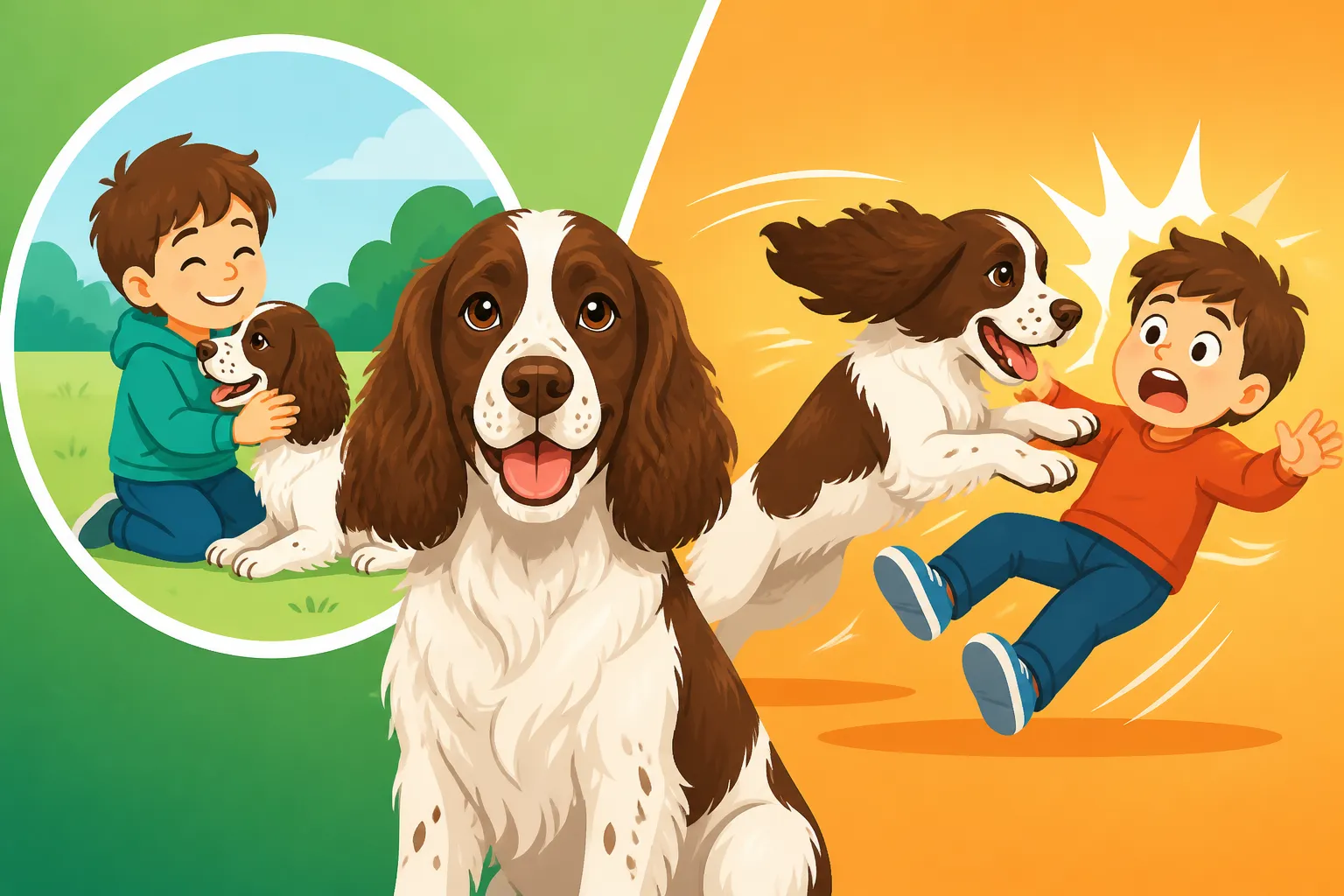
It’s a totally valid worry for so many Springer Spaniel families, especially when you have little ones running around: will my wonderfully enthusiastic, yet often clumsy, Springer accidentally knock over a child? Their boundless energy and sturdy build can certainly lead to some unexpected tumbles. This guide is dedicated to exploring the root causes behind this behavior and providing practical, empathetic strategies to manage and prevent your beloved Springer from sending kids sprawling, ensuring a safe and joyful environment for everyone in the home.
Understanding the Springer Spaniel's Exuberance
When you bring a Springer Spaniel into your life, you're not just getting a dog; you're getting a furry, four-legged bundle of joy and energy. It's their defining characteristic, really! But this very trait, while charming and endearing most of the time, can sometimes translate into a bit of a bull-in-a-china-shop situation, especially with smaller, less stable humans. Understanding why they might be prone to bumping or knocking people over is the first step in addressing it.
The Breed's Natural Drive and Energy Levels
Springer Spaniels were quite literally bred to be active. Their historical role as gundogs involved tirelessly searching for game, flushing it out, and retrieving it, often in dense cover. This isn't a breed designed for lounging on the sofa all day, though they certainly enjoy a good cuddle session after a proper outing. That intense drive means they come with a built-in need for physical and mental stimulation that can feel overwhelming if not properly channeled. A Springer who hasn't had enough exercise or mental engagement will have a reservoir of pent-up energy, and when that energy finally gets an outlet – like a child running by – it can explode in a flurry of excited, uncoordinated motion. Imagine a highly charged spring (pun intended!) releasing all its tension at once. It’s not malice; it’s just pure, unadulterated Springer zest for life, often without the fine-tuned control we wish they possessed in a busy household. You'll often hear us talk about How Much Exercise a Field Bred Springer Spaniel Needs compared to How Much Exercise a Show Bred Springer Spaniel Needs, and even the show lines have a significant need for activity.
Puppy Zoomies and Adolescent Awkwardness
Oh, those puppy zoomies! Every Springer puppy owner knows them well. One minute they're snoozing sweetly, the next they're tearing around the house or yard at top speed, often bouncing off furniture, walls, or, yes, innocent bystanders. This is normal puppy behavior, a way for them to release energy in short bursts. As they grow into adolescents, roughly between six months and two years old, this exuberance can become even more challenging because they're bigger, heavier, and still haven't quite mastered their own bodies. It's like a clumsy teenager who has shot up in height but hasn't learned to coordinate their long limbs yet. Their enthusiasm outstrips their spatial awareness. They might launch themselves for a hug, spin around playfully, or just take a corner too fast, resulting in a bump or a fall. It's not malicious, it’s just youthful exuberance and a lack of body control that they eventually grow out of, with consistent guidance. Anyone navigating The First Year With a Springer Spaniel Puppy will attest to these periods of chaotic joy.
Their Affectionate, "All-In" Nature
Springer Spaniels are renowned for their loving, devoted, and highly social personalities. They adore their human families and want to be a part of everything. When a child, especially their child, is involved, this affection can manifest as an overwhelming desire to interact. They might jump up in greeting, lean heavily, or try to involve themselves in play with their whole body. If a child is running or squealing, it can trigger an even higher level of excitement in the dog, leading to even more vigorous, uninhibited behavior. They don't understand that a child's smaller frame isn't built to withstand a full-body tackle from a 40-50 pound dog. To them, it's just enthusiastic play or an attempt to get closer to their beloved tiny humans. This desire to be "all-in" is part of their charm, but it's crucial to teach them appropriate ways to express it, particularly around children.
Preventing Accidental "Knock-Overs" in Puppies and Young Dogs
Prevention is always better than cure, especially when it comes to keeping little ones safe around an enthusiastic young Springer Spaniel. Laying a solid foundation during puppyhood and adolescence can make a world of difference. It's about proactive management and consistent training from day one.
Early Socialization with Children
Introducing your Springer puppy to children from a very young age is paramount, but it needs to be done carefully and positively. Don't just throw them together and hope for the best. Supervised, positive interactions teach your puppy that children are gentle and fun, not just bouncy playmates to barrel into. Start with calm, controlled meetings where both the puppy and child are comfortable. Teach children how to approach and interact gently, and teach your puppy to be calm around them. Reward calm behavior when children are present. This isn't just about preventing knock-overs; it's about fostering a respectful relationship. Enrolling in a puppy class, like those offered by BAXTER & Bella, which often include socialization components, can be incredibly helpful. They provide structured environments where puppies learn to interact appropriately with various stimuli, including people of different sizes.
Foundation Training: Sit, Stay, and Four Paws on the Floor
Basic obedience commands are your best friends in preventing accidental bumps. "Sit," "Stay," and teaching a "four paws on the floor" rule are non-negotiable. When your Springer approaches a child, ask for a sit. If they jump, gently redirect them and ask for a sit again, only giving praise and attention when all four paws are firmly on the ground. Consistency is key here. Every single time your dog approaches a child, or any person, work on this. It's a continuous process, not a one-and-done lesson. You want "sit" to be their default greeting. This teaches impulse control, which is a life skill for a high-energy breed. A firm "off" or "no jump" command, paired with turning your back, also helps reinforce that jumping gets no reward.
Crate Training and Management
A crate isn't just a place for your dog to sleep; it's a safe den, a management tool, and a crucial aid in preventing unwanted interactions, especially during those times when you can't offer 100% supervision. When things get busy in the house, like during children's playtime or when friends visit, a well-crated Springer can relax safely, preventing any accidental collisions. It also teaches them to settle and be calm, invaluable for such an active breed. Make the crate a positive space with comfy bedding and toys from Amazon. Never use it as punishment. This approach is part of a broader strategy for A Springer Spaniel in a House With Children and can make a huge difference in managing puppy energy.
| Stage of Life | Typical Boisterousness | Key Prevention Strategies |
|---|---|---|
| Puppy (0-6 months) | High; zoomies, mouthing, clumsy | Early, positive socialization; start basic commands (sit, down); supervised play; crate training. |
| Adolescent (6-24 months) | Very High; larger, faster, less body control, testing boundaries | Consistent training reinforcement; increased structured exercise; impulse control games; management with gates/crates. |
| Adult (2+ years) | Moderate to High; depends on exercise/training; can be enthusiastic | Continue daily exercise & mental stimulation; reinforce polite greetings; maintain consistent household rules; teach children safe interaction. |
Managing a Boisterous Adult Springer Around Children
Even with the best early training, adult Springer Spaniels can still have moments of overwhelming enthusiasm. The key to harmonious living is ongoing management and clear communication, not just for the dog, but for the children too. It's a team effort involving everyone in the household.
Consistent Supervision and Safe Spaces
The golden rule when you have a high-energy dog and children is never to leave them unsupervised. Accidents happen in a flash, and even the most well-meaning Springer can inadvertently cause a child to fall. Constant supervision allows you to intervene before an issue arises, redirecting your dog or separating them if excitement levels start to climb too high. Create "safe spaces" for both your dog and your children. This might mean a designated mat or bed for your dog where they can go to relax away from the commotion, or a baby gate to create a dog-free zone for children when they are playing with small toys or need quiet time. This helps avoid situations where the dog feels overwhelmed or the child is vulnerable to an accidental bump.
Teaching Kids How to Interact
It's equally important to teach children how to interact respectfully and safely with your Springer. Kids, especially young ones, often don't understand dog body language or the impact of their own actions. Teach them:
- Gentle hands: No hitting, pulling ears, or tugging tails.
- Quiet voices: Avoid screaming or high-pitched squeals that can over-excite your dog.
- Still like a tree: If the dog gets too bouncy or tries to jump, teach children to stand still like a tree, with arms crossed, ignoring the dog until it calms down.
- No running from the dog: Running often triggers a chase response in Springers, which can lead to collisions.
- Give space: Teach children to respect the dog's crate or bed as its personal space.
Empowering children with this knowledge not only keeps them safer but also builds a stronger, more respectful bond with their canine companion. This is a critical component of ensuring Whether a Springer Spaniel Is Safe With Children and mitigating risks.
Managing High-Energy Situations
There will always be situations that naturally amp up your Springer’s excitement – the doorbell ringing, a new visitor, children playing boisterously, or even just your own excited voice when you come home. It’s in these moments that management becomes crucial. Have a plan. For example, when visitors arrive, perhaps your Springer goes into their crate with a chew toy, or on a "place" command on their mat until things settle down. If children are having a wrestling match, it's a good idea to put the dog away in a separate room or crate until the activity winds down. Use physical barriers like baby gates to manage access to certain areas during high-energy times. Keep a long line handy if you're out in a park and want to give your Springer some freedom while maintaining control, especially if children are present. This allows for safe exploration without the risk of an excited dog barreling into someone.
Training Strategies for a Calm Companion
Training isn't just about teaching commands; it's about shaping a dog's overall temperament and teaching them how to exist calmly in a human world. For a Springer Spaniel, this means consistent, positive reinforcement that focuses on impulse control and rewarding calm behavior.
Rewarding Calmness and Impulse Control
Many owners make the mistake of only giving attention when their dog is doing something. Instead, actively seek out and reward moments of calmness. If your Springer is lying quietly at your feet while children play, toss them a treat or offer a gentle, calm praise. When they greet you politely without jumping, that’s when the lavish praise and attention should flow. Teach them to "settle" on command. This can be done by asking them to lie down and then slowly extending the duration, rewarding them for staying calm. Games that build impulse control, like "leave it" or waiting for a toy, are also incredibly valuable. For example, make them wait a moment before releasing them to play fetch, or before giving them their dinner bowl. This helps them learn to pause and think rather than reacting solely on instinct.
Enrichment Activities to Burn Energy Safely
A tired Springer is a good Springer, and a bored Springer is often a mischievous, overly energetic one. Beyond physical exercise, mental enrichment is vital for this intelligent breed. Incorporate activities that tap into their natural instincts without causing chaos:
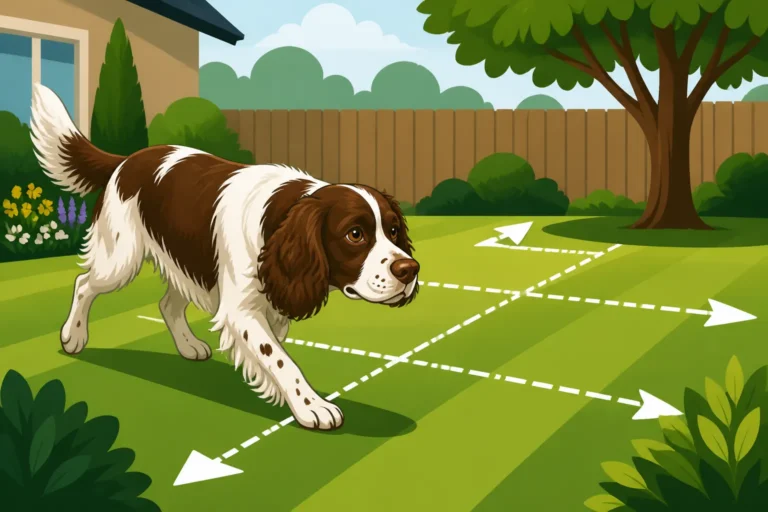
- Scent games: Hide treats around the house or yard and let them sniff them out. This engages their powerful nose and is mentally tiring.
- Puzzle toys: Fill durable puzzle toys with kibble or treats, making them work for their food. This provides mental stimulation and keeps them occupied. You can find a great variety of these on Amazon.
- Training sessions: Short, frequent training sessions, even just 5-10 minutes, can be surprisingly tiring for a dog. Practice new tricks or reinforce old commands.
- Structured walks: Instead of just letting them run, engage them on walks with polite leash manners, practicing sits at curbs, and recall exercises.
These activities help burn off that boundless Springer energy in a constructive way, making them less likely to express it by bulldozing through the house. Providing them with a job, even if it's just a household game, is crucial, as many sources highlight that Whether a Springer Spaniel Needs a Job significantly impacts their behavior.
Using Tools and Resources Effectively
Don't be afraid to use appropriate tools and resources to help manage your Springer's energy and train them effectively.
- Long lines: A long line (15-30 feet) allows your Springer to explore and burn energy in a controlled manner in an open space, ensuring you can still prevent them from barreling towards a child or another dog.
- Secure fencing and gates: Essential for preventing escape and creating clear boundaries within the home.
- Durable chew toys: Provide appropriate outlets for chewing, especially for puppies and adolescents, which can help redirect energy and prevent destructive behaviors.
- Online training programs: Services like BAXTER & Bella offer comprehensive online puppy and dog training programs that can guide you through everything from basic obedience to advanced impulse control, providing flexible learning at your own pace. These resources can be invaluable for consistent training and troubleshooting specific behaviors.
- Professional trainers: If you're struggling to manage your Springer's exuberance around children, don't hesitate to seek help from a certified professional dog trainer or behaviorist. They can offer personalized advice and hands-on guidance.
Remember, raising an English Springer Spaniel, especially with children, is a marathon, not a sprint. There will be good days and challenging days. Consistency, patience, and a deep understanding of your dog's nature are your greatest assets in fostering a well-mannered, safe, and beloved family member.
Disclaimer
This article is for general informational purposes only and does not constitute professional advice. Laws, prices and regulations vary by location and change over time. Consult a qualified professional for guidance on your specific situation.