A Springer Spaniel in a House With Children
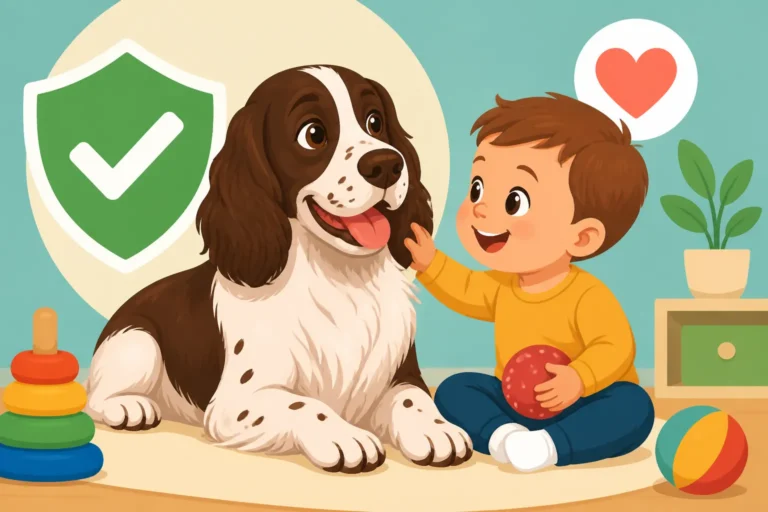
Bringing a high-energy, intelligent English Springer Spaniel into a home with lively children can feel like juggling two tornadoes at once, leaving many parents worried about how everyone, especially the dog, will adjust without chaos. This guide will walk you through everything you need to know to create a harmonious and safe environment where your Springer Spaniel and your kids can not only coexist but truly thrive and build a beautiful, lasting bond.
Understanding the Springer Spaniel Temperament Around Children
Springer Spaniels are renowned for their exuberant nature, boundless energy, and deep affection for their families. When it comes to children, these traits can be both a blessing and, if not managed correctly, a bit of a challenge. It’s crucial to understand the breed's inherent characteristics to ensure a happy home for everyone.
The Springer Spaniel's Energetic Nature and Kids
Let's be real, a Springer Spaniel isn't a couch potato. These dogs were bred to work all day in the field, flushing game and retrieving, and that drive doesn't magically disappear just because they're living indoors. Their energy levels are high, and this means they need a lot of physical and mental stimulation. When they don't get it, that energy can manifest in ways that might clash with a busy household, especially one with children. A bored Springer might invent its own games, which could involve chasing, jumping, or even mouthing in ways that are too much for little ones.
Imagine a typical afternoon: your kids are running around, laughing and playing, and your Springer Spaniel sees this as an open invitation to join the fun. Their natural instinct is to be part of the action, but their boisterous enthusiasm – a hard nudge with their nose, an excited leap, or a quick nip at clothing during play – can easily overwhelm or accidentally knock over a child. It's not malicious; it's just pure, unadulterated Springer joy expressed in a very physical way. This is why understanding How Much Exercise a Field Bred Springer Spaniel Needs is so vital, even if you don't hunt with your dog. Without proper outlets, that energy will spill over into undesirable behaviors.
Their Affectionate and Loyal Side
Despite their boisterousness, Springer Spaniels are incredibly affectionate and devoted companions. They thrive on being part of the family unit and typically form strong bonds with all members, children included. This loyalty means they often want to be wherever their people are, sometimes even following you from room to room, which can be endearing but also a trip hazard with toddlers. They adore attention and physical contact, soaking up belly rubs and ear scratches like sponges.
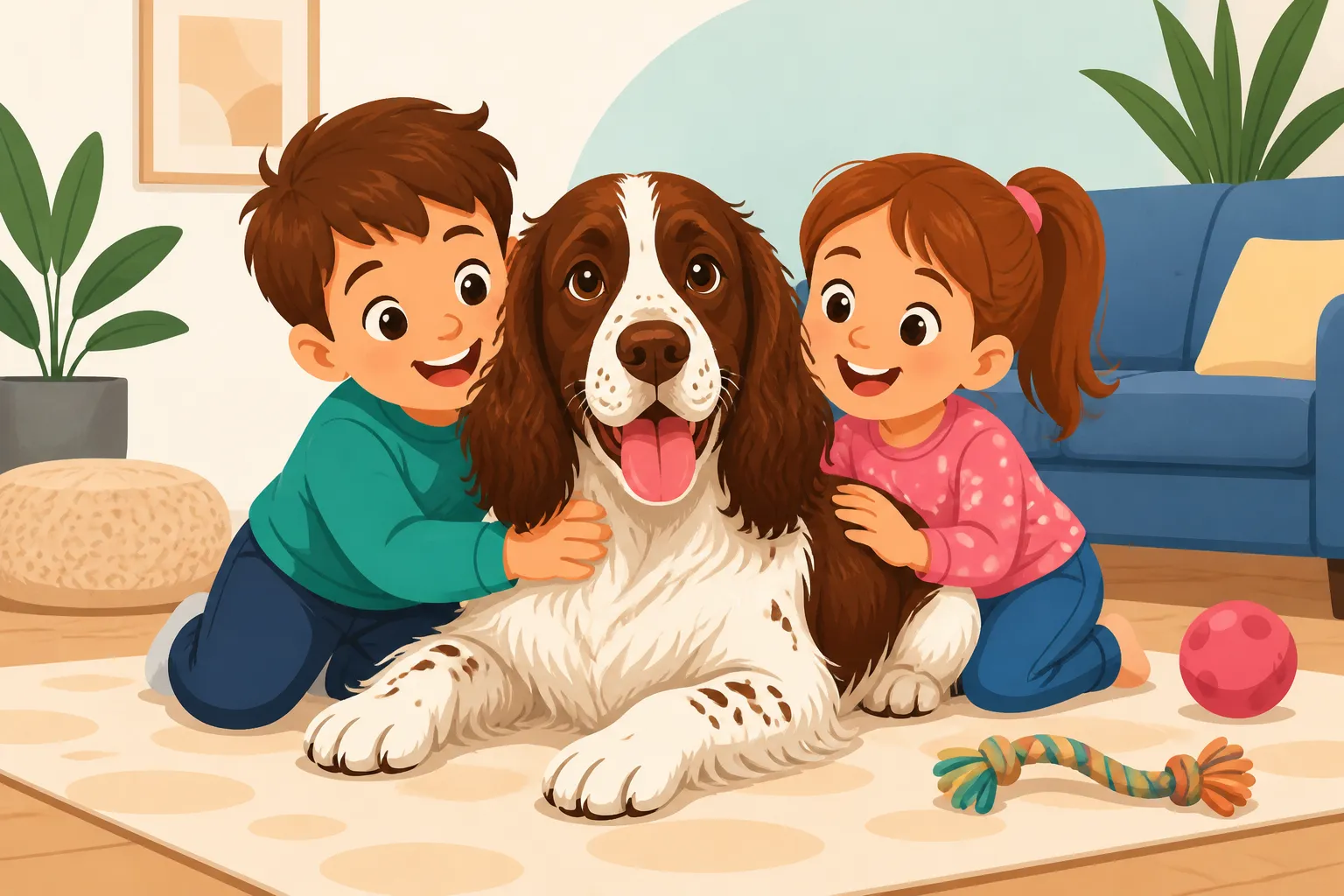
A well-socialized Springer Spaniel often views children as smaller, equally beloved members of their "pack" and will instinctively want to protect and play with them. You'll often find them snuggled up next to a child reading a book or patiently accepting gentle pats. However, this deep bond also means they might become overprotective if they perceive a threat to their child, even if it's just another child playing rough. Their eagerness to please and strong desire for connection make them very trainable, which is a huge advantage when teaching them how to interact appropriately with kids. The key is channeling that affection into positive, structured interactions rather than allowing it to become overwhelming.
Potential Nipping and Mouthing Concerns
One common concern, especially with puppies, is mouthing and nipping. Springer Spaniel puppies, like most breeds, explore the world with their mouths. They use their teeth to play, to communicate, and to test boundaries. While this is normal puppy behavior, it can be particularly alarming and potentially painful when directed at tender young skin. A puppy might see a child's flailing hands or running feet as an invitation to a game of bitey-face, leading to nips that, while not aggressive, can be quite sharp.
It's important to differentiate between playful mouthing and true aggression. With a Springer, 99% of the time, puppy nipping is simply high-spirited play or an attempt to get attention. However, it’s a behavior that absolutely needs to be addressed consistently from day one. Failing to teach bite inhibition can lead to problems as the dog grows larger and its jaws become stronger. Children also need to be taught not to encourage this behavior by pulling hands away quickly or squealing, which can sometimes escalate the game for the puppy. This is a critical period, and understanding Whether a Springer Spaniel Puppy Bites Hard is essential for managing expectations and implementing proper training.
Preparing Your Home and Family for a Springer Spaniel
Bringing a new dog, especially an energetic Springer Spaniel, into a household with children requires thoughtful preparation. It’s not just about getting the right supplies; it’s about creating an environment that is safe, structured, and understanding for both your canine companion and your human kids.
Setting Up Safe Spaces for Dog and Child
Before your Springer Spaniel even walks through the door, identify and establish designated safe spaces. Your dog needs a quiet, personal retreat where they can go to relax, chew a toy, or simply escape the hustle and bustle of family life without being disturbed. A comfortable crate in a low-traffic area, or a dog bed in a quiet corner, works wonders. This is especially crucial for a breed that bonds so closely with its family and might otherwise feel compelled to be in the thick of things constantly. Think of it as their "den," a sanctuary where they know they won't be bothered, especially by curious little hands.
Similarly, children need their own dog-free zones, particularly if they are very young or need a quiet space to play without the dog attempting to join in. Baby gates are your best friend here. You can find sturdy, reliable gates on platforms like Amazon that can section off areas of your home, allowing children to play safely while the dog is contained elsewhere, or vice versa. This physical barrier prevents accidental bumps, chases, or the dog getting into children's toys that might pose a choking hazard. Establishing these boundaries early prevents many potential conflicts and teaches both dog and child respect for each other's space.
Educating Children on Dog Etiquette
Children, by nature, are often enthusiastic and sometimes clumsy, especially around animals. It's not their fault; they simply don't understand canine communication or boundaries. Therefore, it’s paramount to educate them on how to interact respectfully and safely with your Springer Spaniel. This isn't a one-time conversation; it's an ongoing lesson that starts before the dog arrives and continues throughout their lives together. Teach them the "gentle hands" rule: only soft, slow strokes, no pulling ears or tails, and absolutely no climbing on or disturbing the dog when it’s sleeping, eating, or in its designated safe space.
Emphasize understanding canine body language. Explain that a dog turning its head away, yawning, licking its lips, or even just freezing in place are all subtle signs that it's uncomfortable and needs space. Teach them the "leave it" command applies to the dog too – if the dog is chewing its toy or enjoying a treat, kids need to leave it alone. Practicing these scenarios with a stuffed animal can be really helpful. It’s about fostering empathy and respect for a living creature that communicates differently than humans. This groundwork is vital for Whether a Springer Spaniel Is Safe With Children, as it places responsibility on both sides of the human-canine equation.
Establishing Clear Household Rules
Consistency is key when integrating a Springer Spaniel into a family with children. Everyone in the household, from the youngest child to the oldest adult, needs to be on the same page regarding rules and expectations for the dog. Decide as a family what behaviors are acceptable and unacceptable. For example, will the dog be allowed on furniture? Will it jump up to greet people? Who is responsible for feeding, walking, and training duties? When everyone is consistent, the dog learns much faster and confusion is minimized.
Creating a clear routine is also incredibly beneficial for a Springer Spaniel, as predictability helps them feel secure. Consistent feeding times, potty breaks, and exercise schedules reduce anxiety and establish a rhythm for the day. For instance, if family meal times are often chaotic, the dog should be crated or given a long-lasting chew in its safe space during this time to prevent begging or accidental trips. This structured environment, combined with consistent rules, reduces stress for both your dog and your children, paving the way for a more harmonious household. It’s also crucial for managing The Age a Springer Spaniel Finally Settles, as consistent training from puppyhood helps establish good habits early.
Introducing Your Springer Spaniel to Children Safely
The initial introduction and subsequent interactions between your Springer Spaniel and children are critical in setting the stage for their future relationship. Rushing this process or allowing unsupervised, chaotic meetings can create anxiety or fear in either the dog or the child, leading to potential issues down the line. Patience and careful management are your best tools.
The Gentle First Meeting
When your Springer Spaniel first arrives, whether it's a puppy or an adult rescue, resist the urge for a grand, overwhelming welcome party, especially with children present. The first meeting should be calm, controlled, and brief. If possible, introduce the dog to children one at a time, or in a very small, quiet group, rather than a mob of excited kids. Keep the dog on a leash, allowing it to approach the child at its own pace. Encourage children to remain calm, speak in soft voices, and offer a closed fist for the dog to sniff, rather than immediately reaching out to pet.
The goal is to create a positive association without overstimulating either party. Praise the dog for calm behavior and the children for gentle interactions. It’s often best to have the dog slightly tired from a walk or play session before introductions, as this can temper some of their natural exuberance. Remember, for a puppy, the world is brand new and potentially overwhelming. For a rescue, their past experiences might make them wary. Take it slow, allow them to decompress, and build positive experiences gradually. The First Year With a Springer Spaniel Puppy is full of these critical learning moments.
Supervised Interactions and Body Language
Every interaction between your Springer Spaniel and children, especially in the early stages, must be closely supervised by a responsible adult. This isn't about distrust; it's about active management and teaching. An adult needs to be present to guide the children, intervene if the dog shows signs of stress or over-excitement, and redirect the dog if its play becomes too rough. Learn to recognize your Springer Spaniel's body language – a tense body, tucked tail, lip licking, or turning away are all signals that the dog is uncomfortable and needs a break.
Teach children what these signs mean and that when the dog walks away, they should let it go. Never force interactions. Supervised play can include gentle games of fetch (with a toy, not the child's clothes!), quiet petting sessions, or even simply sitting together. These interactions should always be positive for both parties. If the dog is getting too riled up, redirect its energy to a chew toy or a short training session. If a child is getting too boisterous, calmly remove them for a moment. This active supervision helps prevent unwanted behaviors from forming and builds trust between dog and child.
Managing Excitement and Overstimulation
Springer Spaniels are naturally excitable dogs, and children can be, well, naturally excitable children! Put them together, and you have a recipe for potential overstimulation. A child's squeals, quick movements, or running can trigger a Springer's instinct to chase or play, which can quickly escalate. It’s common for these dogs to inadvertently Whether a Springer Spaniel Knocks Children Over during their enthusiastic bursts. It's essential to teach your Springer Spaniel to manage its excitement, especially around children.
One effective strategy is to implement "calm greetings." When children (or anyone) enter the room, teach your dog to sit or lie down calmly before receiving attention. If the dog jumps, turn your back until all four paws are on the floor, then reward the calm behavior. You can use a leash and harness during these greetings to gently guide your dog into a sit if needed. During playtime, if things get too frenetic, call a "time-out" – calmly separate the dog and children for a few minutes, perhaps with the dog in its crate with a chew, until everyone has had a chance to decompress. Gradually, both the dog and the children will learn how to interact without becoming overly stimulated, making for much more enjoyable shared experiences.
Training Your Springer Spaniel for a Child-Friendly Environment
Effective training is the cornerstone of a successful household with a Springer Spaniel and children. It’s not just about obedience; it’s about teaching impulse control, good manners, and establishing clear communication to ensure everyone's safety and peace of mind.
Core Obedience for Family Life
Basic obedience commands are non-negotiable for a Springer Spaniel sharing a home with children. Commands like "sit," "stay," "down," and a reliable "come" are vital for control and safety. Imagine the scenario: your toddler drops a tempting snack on the floor, or your child leaves a small, potentially dangerous toy within reach. A solid "leave it" command can literally be a lifesaver. Similarly, a strong "stay" can prevent your dog from bolting out an open door when a child is running in or out, or keep them from jumping on a visiting friend.
Consistent, positive reinforcement training is the most effective approach for Springer Spaniels, who are often described as "soft" dogs. This means rewarding desired behaviors with treats, praise, or toys, rather than relying on harsh corrections. The Soft Springer Spaniel That Shuts Down If You Shout is a testament to their sensitive nature; yelling or scolding can make them retreat and lose trust, which is the opposite of what you want when building a bond. Consider enrolling in a puppy or basic obedience class, which not only teaches your dog commands but also helps you learn how to effectively communicate with them. Programs like BAXTER & Bella offer online puppy training that focuses on practical, real-world scenarios and positive reinforcement, which can be invaluable for busy families trying to integrate a dog.
Teaching Impulse Control and Manners
Beyond basic commands, teaching impulse control is paramount for a Springer Spaniel in a family environment. Their natural exuberance means they often act first and think later, especially when excited. This can lead to jumping on children, barging through doorways, or snatching food. Focus on exercises that teach patience and self-control. For example, make your dog "sit" before getting its meal, before going outside, or before greeting visitors. This teaches them that calm behavior gets them what they want.
Practice "wait" at open doors and "stay" when you put down a toy or treat, releasing them only when you give a clear cue. "Off" is another crucial command to teach them to get off furniture or people gently. Always reward calm, polite behavior, even if it feels repetitive. The more you reinforce good manners, the more ingrained they become. Remember, a Springer Spaniel wants to please you, but their drive and excitement can sometimes override their good intentions. Consistent practice, even in short, frequent sessions, will help them develop the self-control needed to be a polite member of the family.
Managing Resource Guarding Around Kids
Resource guarding, where a dog becomes protective of its food, toys, sleeping spots, or even people, is a natural canine behavior that can become dangerous, especially with children. While not all Springer Spaniels exhibit significant resource guarding, it's a behavior to be aware of and proactively manage. A dog might growl, snap, or lunge if a child approaches their food bowl or tries to take a favorite toy.
To prevent issues, teach your dog that humans approaching their resources is a positive thing. When your dog is eating, walk by and drop an even better treat into their bowl, then walk away. This teaches them that people coming near their food means good things happen, rather than something being taken away. For toys, practice "trade": offer a high-value treat in exchange for a toy, then give the toy back (or a different, equally fun toy). Teach your children never to bother the dog when it's eating, chewing a bone, or sleeping. Ensure the dog has its own dedicated, safe chew toys that children are taught not to touch. For any serious concerns, What a Behaviorist Costs a Springer Spaniel Owner is an investment worth considering, as professional help can provide tailored strategies to address and prevent resource guarding from escalating.
Addressing Common Challenges and Misunderstandings
Even with the best preparation and training, living with a Springer Spaniel and children will inevitably present a few bumps in the road. Understanding common challenges and knowing how to respond constructively is key to maintaining a peaceful and safe home.
When Energy Overwhelms Patience
We've talked about the Springer Spaniel's energy, and it bears repeating: it's a lot! Sometimes, despite your best efforts, that boundless enthusiasm can simply overwhelm the patience of both children and adults. Picture a rainy day, kids are cooped up, and the Springer Spaniel hasn't had its usual long walk or vigorous play session. The result can be a dog bouncing off the walls, trying to initiate play by nudging, pawing, or even barking incessantly. Children, already restless, might become frustrated or frightened by the dog's relentless energy.
When this happens, it's important not to lose your temper. Recognize that the dog isn't being "bad" on purpose; it's simply trying to fulfill its innate need for activity. Instead of punishment, redirect that energy. Even indoors, mental stimulation can make a big difference. Engage them in a game of "find it" with treats, practice a series of obedience commands, or give them a puzzle toy that requires thought to get the reward. A simple training session, even for 5-10 minutes, can tire a Springer Spaniel's brain surprisingly well. Sometimes, a short, supervised quiet time in their crate with a long-lasting chew is the best solution for everyone to decompress. Remember, The Age a Springer Spaniel Finally Settles can be quite a while, so consistent management of their energy is a long-term commitment.
Interpreting Dog Signals and Stress Cues
A major misunderstanding often arises when humans fail to correctly interpret their dog's subtle signals. Dogs communicate constantly, but their language is very different from ours. Children, especially, may not pick up on early warning signs that a dog is feeling anxious, stressed, or pushed past its comfort zone. A Springer Spaniel might be incredibly tolerant, but every dog has a limit. Common stress signals include yawning, lip licking, turning the head away, freezing, looking away, tucking the tail, holding an ear back, or even a soft growl. These are not signs of aggression initially but rather polite requests for space.
It’s crucial to teach children to recognize these signals and respect them. Explain that if the dog walks away, they need to let it go. If the dog yawns when being patted, it might be telling them to take a break. Overlooking these early warnings can lead to a dog feeling it has no other option but to escalate its communication, which could mean a snap or a bite. Never punish a growl; a growl is a warning. If you punish it, you teach the dog not to warn, which is far more dangerous. Instead, address the reason for the growl and remove the dog from the stressful situation. Whether a Springer Spaniel Remembers a Rage Episode is a different concern, but understanding general canine stress is vital for all interactions.
Seeking Professional Guidance
There are times when despite all your best efforts, you might encounter behavioral challenges that feel beyond your ability to manage alone. This is completely normal and nothing to be ashamed of. Issues like persistent nipping that isn't improving, significant resource guarding, or even Whether a Springer Spaniel Barks Much that's disrupting the peace can all benefit from professional intervention. Trying to self-diagnose and fix complex behavioral problems can sometimes make them worse.
A certified professional dog trainer or a veterinary behaviorist can observe your dog and family dynamics, identify the root cause of the behavior, and develop a tailored training plan. They can teach you effective, humane techniques and help you understand your Springer Spaniel's specific needs and quirks. Investing in professional guidance early can prevent small problems from becoming big ones, ensuring a safer and happier home for everyone. Don't wait until a serious incident occurs; if you're struggling, reach out for help. There are many qualified professionals who can guide you through the process, and it's always worth the investment in your family's harmony and your dog's well-being.
Living Harmoniously: Daily Routines and Long-Term Success
Creating a lasting, joyful relationship between your Springer Spaniel and your children isn't a one-time fix; it's an ongoing journey built on consistent routines, continued socialization, and a deep understanding of each other's needs.
Structuring Exercise and Mental Stimulation
The most significant factor in maintaining a harmonious household with a Springer Spaniel is ensuring they receive adequate exercise and mental stimulation, consistently. A tired Springer is a good Springer, and a mentally stimulated Springer is an even better one. This means more than just a quick walk around the block. These dogs need vigorous physical activity – running, fetching, swimming – daily. Consider activities like long hikes, playing fetch in a large, fenced yard, or even introducing them to dog sports like agility or scent work, which tap into their natural instincts.
Beyond physical exertion, engage their minds. Springer Spaniels are intelligent and thrive on having a "job." Daily training sessions, even short ones, reinforce commands and build their confidence. Puzzle toys, snuffle mats for meal times, and even scent games around the house can provide valuable mental enrichment. When you have children, incorporate them into these activities safely. Let them throw the ball (under supervision), hide treats for the dog to find, or practice simple commands. This shared activity not only tires the dog but also strengthens the bond between the children and their canine companion. Just be mindful of their exuberant greetings after a stimulating activity; a Springer that follows you everywhere (Why a Springer Spaniel Follows You Everywhere) might also follow the kids closely post-activity.
Ongoing Socialization and Positive Reinforcement
Socialization isn't just for puppies; it's a lifelong process for a Springer Spaniel. Continued exposure to a variety of sights, sounds, people, and other dogs helps maintain their confidence and adaptability. For a dog living with children, this means ensuring they have positive interactions with a range of kids, from toddlers to teenagers, in controlled environments. Puppy classes often provide excellent, supervised socialization opportunities, but it extends beyond that. Invite respectful children over to interact gently with your dog, or take your dog to parks where they can observe children from a distance, rewarding calm behavior.
Positive reinforcement should be your guiding principle in all interactions. Consistently reward your Springer Spaniel for calm, polite behavior around children. Did they lie down quietly while the kids were playing? Treat and praise! Did they approach a child gently instead of jumping? Reward! The more positive experiences they have, the stronger their good habits become. The same goes for children: praise and reward them for gentle interactions and for respecting the dog's space. This two-way system of positive reinforcement fosters a respectful and loving relationship. Whether a Springer Spaniel Bonds to One Person can be mitigated through consistent positive family interactions.
Fostering a Lasting Bond
The ultimate goal is to foster a deep, lasting bond between your Springer Spaniel and your children. This bond is built on trust, respect, and mutual understanding. Encourage children to participate in the dog's care in age-appropriate ways, from helping with feeding (under supervision) to brushing the dog's coat (using child-safe brushes, available on Amazon). When children are involved in responsible pet ownership, they develop a sense of empathy and connection.
Regular, positive interactions, shared activities, and quiet cuddle times all contribute to this bond. A Springer Spaniel wants to be part of the family, and when children are taught to treat the dog with kindness and respect, the dog will reciprocate with unwavering loyalty and affection. There will be moments of chaos, missed cues, and perhaps even a few chewed toys, but with consistency, patience, and a whole lot of love, your Springer Spaniel can become an invaluable and beloved member of your family, bringing years of joy and companionship to your children. This careful nurturing of their relationship will ensure Whether a Springer Spaniel Suits a Family With a Baby grows into a harmonious reality for years to come.
Comparison: Springer Spaniel Temperament & Training Needs with Children
To summarize some key considerations for bringing a Springer Spaniel into a home with children, here's a table outlining the "Dos and Don'ts":
| Aspect | Do | Don't |
|---|---|---|
| Energy | Provide ample daily exercise and mental stimulation. | Expect them to be calm without sufficient outlets. |
| Introductions | Supervise all initial interactions calmly and briefly. | Allow overwhelming, uncontrolled first meetings. |
| Children | Teach kids gentle handling and canine body language. | Let children disturb the dog when eating, sleeping, or in its crate. |
| Training | Use consistent, positive reinforcement for all family members. | Use harsh corrections or punishment; they are sensitive. |
| Boundaries | Establish clear dog-free zones and safe spaces for both. | Allow the dog to roam freely without rules or supervision. |
| Playtime | Encourage structured games like fetch with toys. | Permit rough-housing or chasing games that can escalate. |
| Resource Guarding | Trade for high-value items; supervise mealtimes closely. | Let children approach dog's food or toys unsupervised. |
| Problem Solving | Seek professional help from a certified trainer/behaviorist early. | Ignore concerning behaviors, hoping they will disappear on their own. |
Disclaimer
This article is for general informational purposes only and does not constitute professional advice. Laws, prices and regulations vary by location and change over time. Consult a qualified professional for guidance on your specific situation.