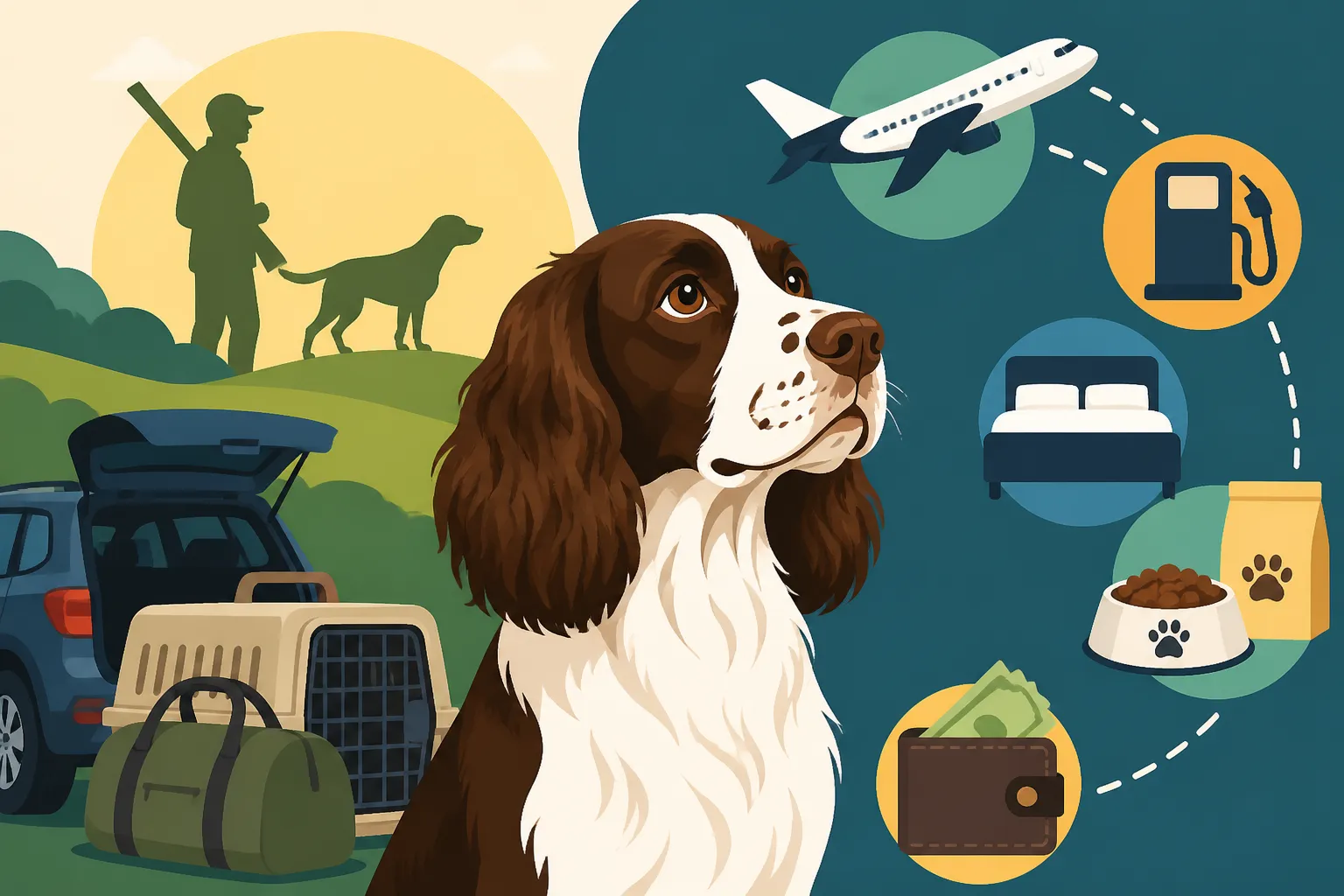
What Traveling to Springer Spaniel Hunt Tests Costs
The thrill of watching your English Springer Spaniel quarter a field, nose to the ground, is truly unparalleled. Many of us dream of taking that raw talent and honing it for competition, seeing our loyal companions excel in hunt tests. But before you hitch up the trailer or pack the car, it's crucial to understand that the journey to those ribbons involves more than just training your dog; it also means navigating a maze of travel expenses that can quickly add up. This guide will walk you through the various financial considerations involved in hitting the road for Springer Spaniel hunt tests, helping you prepare for the real costs involved in chasing those titles.
The Logistics of Getting There: Fuel, Lodging, and Entry Fees
Getting your Springer Spaniel to a hunt test often feels like a mini-expedition. There's the drive, the overnight stay (or several), and the non-negotiable fees just to get on the line. It’s easy to focus on the training and forget these fundamental logistical costs, but they are often the largest chunk of your budget.
Fueling the Journey
Let's be realistic: hunt tests aren't always in your backyard. Sometimes, they're hours away, in rural areas specifically chosen for their suitable cover and open land. The distance you travel directly impacts your fuel bill, and this is where things can get expensive, especially if you have a gas-guzzling vehicle. Imagine a scenario where a test is four hours away – that's eight hours of driving round trip. If you go for a single day, that's one tank or more. If it's a two-day event and you decide to stay overnight, you might be making that round trip more than once for training or pre-test visits.
The type of vehicle you drive also plays a huge role. Are you cruising in an economical sedan, or do you have a larger SUV or truck needed to haul multiple crates, training gear, and perhaps a training partner's dogs? A truck might be perfect for What a Truck Dog Box for a Springer Spaniel Costs and for carrying all your supplies, but it won't be as kind to your wallet at the pump. These costs can fluctuate wildly, so budgeting a buffer for fuel is always a smart move. And don't forget, if you're serious about competing, one test leads to another, and those fuel expenses become a regular, recurring line item in your budget.
A Place to Rest Your Head and Paws
Unless you're incredibly lucky and live just a stone's throw from every test site, you'll likely need accommodation. Finding pet-friendly lodging can be a challenge in itself, and it almost always comes with an extra cost. Many hotels charge a nightly pet fee, sometimes a flat fee per stay, which can range from reasonable to eye-watering. These fees are often non-refundable and can quickly turn an affordable room into a budget buster.
Consider a multi-day test weekend. A three-day test might mean two nights in a hotel. If that hotel charges, say, a $50 per night pet fee, you've just added $100 to your bill before even considering your own room rate. Some folks opt for camping, which can be a more budget-friendly option, but then you have campsite fees, and the initial investment in camping gear. Others are fortunate enough to have friends or family in the area, offering a free place to stay, but that's not always an option. You also need to consider your dog’s comfort. A stressed dog might not perform well, so ensuring a calm, safe place for them to unwind, perhaps in their familiar What a Field Crate for a Springer Spaniel Costs, is paramount.
The Non-Negotiable Entry Fees
Every hunt test you enter for your Springer Spaniel comes with an entry fee. These fees vary by the host club, the test level (Junior Hunter, Senior Hunter, Master Hunter), and whether you are a member of the club or not. Club members often receive a discount, which can be an incentive to join if you plan on attending multiple events with that particular club.
These fees are typically per dog, per test. If you're running two dogs, or if your single dog is entered in multiple stakes over a weekend, those fees multiply quickly. Late entry fees are also a possibility if you miss the deadline, adding another layer to your costs. It's vital to check the premium list for each event well in advance to get an accurate picture of what you'll be paying. For example, a typical entry might look like this:
| Test Level | Member Entry Fee | Non-Member Entry Fee | Late Entry Surcharge (if applicable) |
|---|---|---|---|
| Junior Hunter | Check club site | Check club site | Check club site |
| Senior Hunter | Check club site | Check club site | Check club site |
| Master Hunter | Check club site | Check club site | Check club site |
Always confirm current fees directly with the host club or the AKC hunt test premium list, as these figures are examples and fluctuate.
These entry fees are a foundational part of What AKC Hunt Test Entries Cost a Springer Spaniel Owner, and they are non-negotiable if you want to compete.
Beyond the Basics: Training, Gear, and Unexpected Costs
Once you’ve accounted for getting to the test and entering, there are other crucial expenses that can add up quickly. These often relate to ongoing training, specialized gear, and the ever-present possibility of unexpected incidents on the road.
Training and Preparation Costs on the Road
Your Springer Spaniel doesn't just show up to a hunt test and perform magically. There's usually a lot of ongoing training involved, and sometimes that training extends to the days leading up to or even during the event itself. Many competitors choose to travel with their professional gundog trainer, which can involve paying for the trainer's travel, lodging, and daily fees. Even if you're doing most of the training yourself, you might need to acquire additional training birds at the test site or nearby grounds to fine-tune specific skills. This adds to What Training Birds Cost a Springer Spaniel Owner.
Beyond professional help, consider the wear and tear on your own training equipment. Bumpers, whistles, electronic collars – these items endure a lot of use, and travel can hasten their demise. Replacing a broken e-collar or a lost whistle isn't just an inconvenience; it's another expense. When you're constantly on the go, the need to maintain your equipment is even more pronounced.
Essential Travel Gear and Supplies
Traveling for hunt tests means bringing more than just your dog's leash and food bowl. You need specialized gear to ensure your Springer Spaniel is comfortable, safe, and ready to perform. A robust, secure crate is non-negotiable for safe transport and a secure resting place at the hotel or campsite. Options range from simple wire crates to more durable What a Truck Dog Box for a Springer Spaniel Costs. Ensuring your dog's crate is secure is vital, not just for safety on the road, but also for providing a familiar den in an unfamiliar environment.
Beyond the crate, consider specialized feeding and hydration systems. Collapsible bowls, water jugs, and easily accessible food containers are important. If your dog is on a specific fresh food diet, like those offered by Ollie, you need to plan how to keep that food fresh during transit and at your destination. For standard kibble, bulk supplies from places like Chewy can be a good option for consistent feeding, but you still need appropriate storage.
Then there's the gear for the test itself: a hunting vest (perhaps What a Springer Spaniel's Working Vest and Kit Cost), a neoprene vest if water work is involved (check out Whether a Springer Spaniel Needs a Neoprene Vest for Water), proper footwear for yourself, and a comprehensive first-aid kit for both human and canine. Accidents happen, especially in rough cover, so having bandages, antiseptic, and paw balm readily available is crucial.
The Inevitable Surprises and Incidentals
No matter how well you plan, unexpected costs can, and often do, pop up. The most concerning of these is a veterinary emergency. Your Springer Spaniel is working hard, often in challenging terrain, and injuries are a possibility. A cut paw, a strained muscle, or an allergic reaction can mean an emergency vet visit in an unfamiliar town, which can be significantly more expensive than your regular vet. This is where investing in pet insurance, like a policy from Healthy Paws, can be an absolute lifesaver. While it's an upfront cost, the peace of mind and potential financial relief it offers during an emergency on the road is invaluable.
Other incidentals might include roadside assistance if your vehicle breaks down, having to buy a last-minute item you forgot (like extra training bumpers or a specific type of whistle), or even just increased food and coffee costs for yourself because you're away from home. These small expenses, when combined, can create a noticeable dent in your budget. Remember, planning for the unexpected is just as important as planning for the expected.
Time is Money: The Hidden Costs of Your Pursuit
While direct financial outlays are easy to tally, there are significant hidden costs associated with traveling for Springer Spaniel hunt tests – primarily your time and the opportunities you might forgo. These aren't always reflected on a receipt but are undeniably part of the overall investment.
Time Off Work and Lost Income
The vast majority of hunt tests are held on weekends, but many require travel on a Friday or even Thursday, especially if you want to get some practice in at the grounds beforehand. This often means taking vacation days, or for some, unpaid leave. If you're self-employed, every day you spend on the road and at a test is a day you might not be generating income. Over the course of a season, attending several tests can mean weeks away from your primary work responsibilities.
Let's say you attend six hunt tests in a year, and each requires you to take one Friday off. That’s six full days of work you’ve missed. If those days are unpaid, or if they eat into your limited vacation time, that has a tangible financial impact. This aspect of the cost is often underestimated until you see your pay stub or feel the pinch of reduced client work. It's a true sacrifice for the love of the sport and your dog.
Opportunity Costs and Family Sacrifices
Beyond direct income, there are the opportunity costs. Every weekend you spend at a hunt test is a weekend you're not doing something else. This could mean missing out on family events, personal hobbies, or simply relaxing at home. For families, the commitment to hunt tests can strain the household budget, diverting funds that might otherwise go towards other recreational activities, home improvements, or savings.
The value of your own time is also a factor. The hours spent driving, setting up, waiting for your run, and then packing up are considerable. While these hours are often filled with camaraderie and the joy of watching dogs work, they are still hours you could be dedicating to other pursuits. When you consider The Full Cost of Thirteen Years With a Springer Spaniel, these accumulated hours become a significant part of your overall investment in your dog's life and your chosen hobby.
Maintaining Peak Performance Between Events
The costs don't stop when you leave the test grounds. To keep your Springer Spaniel in peak physical condition and mentally sharp for the next event, continuous care and training are required. This includes maintaining a high-quality diet, perhaps specialized performance formulas or fresh food from services like Ollie or Chewy, which can be more expensive than standard kibble. Regular veterinary check-ups are essential to catch any small issues before they become big problems that could sideline your dog. This includes preventative care, joint supplements, and ensuring their overall health is optimized.
Conditioning your dog between tests also takes time and effort, whether it's daily runs, swimming, or specific exercises. These activities might incur costs like gym memberships for yourself (if you're running with your dog indoors), access to private training grounds, or even specialized equipment for fitness. All these factors contribute to the ongoing investment in your competitive Springer Spaniel, ensuring they are always ready for the next challenge.
Budgeting and Planning for Success
The prospect of all these costs might seem daunting, but with careful planning and smart strategies, you can manage your expenses and enjoy the journey with your Springer Spaniel. It's all about being proactive and making informed choices.
Smart Travel Strategies
One of the best ways to cut down on travel costs is to team up with fellow competitors. Carpooling to tests with friends who are also running their Springers is a fantastic way to split fuel expenses and share driving duties. You might even be able to share a pet-friendly hotel room, further reducing lodging costs. There's also the added benefit of camaraderie and having a support system at the event.
Booking accommodations well in advance can often secure better rates, especially if you're targeting popular events or locations where hotels fill up quickly. Look for hotels that are genuinely pet-friendly and transparent about their fees. Packing your own meals and snacks, rather than relying on expensive restaurant or fast-food options on the road, can save a significant amount of money over a weekend trip. Finally, prioritize attending events that are closer to home whenever possible, especially when your dog is just starting out in Junior Hunter. As your dog progresses, you might need to travel further for higher-level tests, but you can be strategic about it.
Financial Preparation and Savings
A dedicated "hunt test fund" can be incredibly helpful. Setting aside a small amount each week or month specifically for your Springer Spaniel's competitive endeavors ensures that when a test comes up, you have the funds available without dipping into other household budgets. Researching host clubs and considering annual memberships can provide discounts on entry fees throughout the season, offsetting the membership cost if you attend multiple events.
Investing in durable, multi-purpose gear upfront might seem like a larger expense, but it can save you money in the long run. A high-quality dog box or crate, a sturdy What a Springer Spaniel's Working Vest and Kit Cost, and reliable training equipment will withstand the rigors of travel and competition, reducing the need for frequent replacements. Companies like Chewy offer a wide range of durable equipment, from crates to specialized collars, which can be a good starting point for your research.
Maximizing Value from Each Trip
To make the most of your travel expenses, consider combining your hunt test trips with other valuable activities. Perhaps there's a training seminar or a clinic with an expert gundog trainer (addressing How Many Weeks of Gundog Training a Springer Spaniel Needs) scheduled for the day before or after a test in the same area. This allows you to gain extra knowledge and experience without incurring separate travel costs.
You can also try to incorporate a mini-vacation aspect into your trips. If the hunt test is in a scenic area, carve out a few hours for a hike with your Springer Spaniel or explore local attractions. This helps balance the intensity of competition with some personal relaxation, making the entire experience more enjoyable and fulfilling. Remember, every outing, win or lose, offers valuable learning opportunities for both you and your dog. It's all part of Whether a Springer Spaniel Owner Should Budget for Two Types of Care: the care for the sport and the care for your companion's overall well-being.
Disclaimer
This article is for general informational purposes only and does not constitute professional advice. Laws, prices and regulations vary by location and change over time. Consult a qualified professional for guidance on your specific situation.