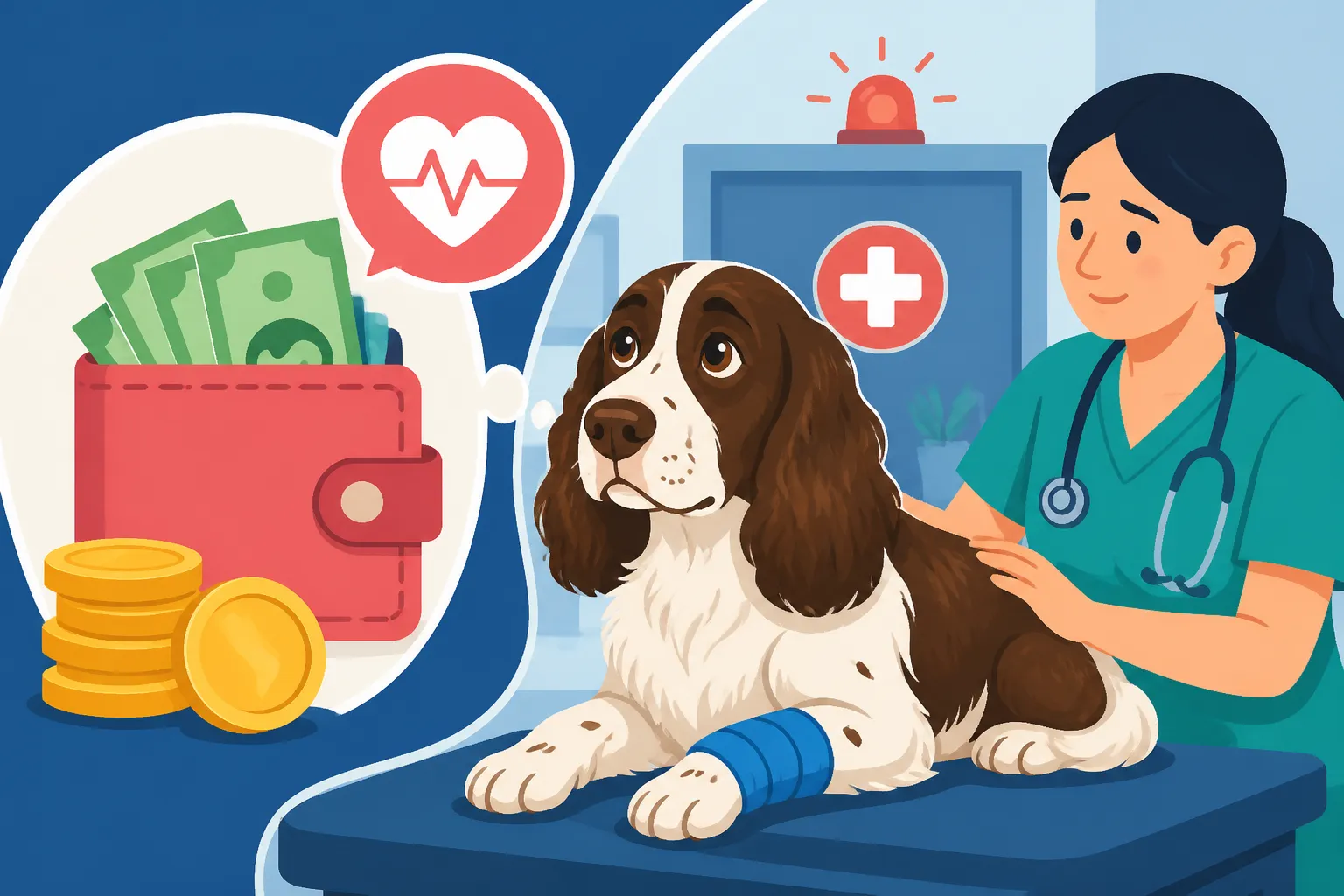
What an Emergency Vet Visit Costs for a Springer Spaniel
The moment your beloved English Springer Spaniel shows a sudden, alarming symptom or suffers an unexpected injury, a wave of panic washes over you. Your first thought is their well-being, but almost immediately, a gnawing worry about the inevitable emergency vet bill creeps in. It's a cruel truth that urgent care comes with a hefty price tag, and many of us feel blindsided by the financial burden when our furry family member is in crisis. This guide is here to shed light on what you can expect an emergency vet visit to cost for your Springer Spaniel, breaking down the factors involved and offering ways to prepare for those unavoidable moments.
The Immediate Shock of an Emergency Vet Visit
When your Springer Spaniel needs emergency veterinary care, it's rarely a calm, planned event. It's usually a frantic rush, a pit in your stomach, and a deep concern for your dog's health. What many owners don't realize until they're in that stressful situation is just how quickly costs escalate compared to a routine check-up. This isn't because emergency vets are trying to fleece you, but because the nature of emergency medicine itself is inherently more expensive.
Why Emergency Care Costs More Upfront
Think about it this way: a regular veterinary clinic operates during standard business hours, with a set staff and predictable patient flow. An emergency veterinary hospital, on the other hand, is open 24/7, 365 days a year. This means they need a full team of veterinarians, veterinary technicians, and support staff available at all hours, including nights, weekends, and holidays. These shifts often command higher wages. Additionally, emergency clinics are equipped with specialized diagnostic tools and life-saving equipment that many general practices might not have on site, such as advanced imaging, intensive care units, and a wider array of surgical instruments, all of which require significant investment and maintenance.
Moreover, when your Springer Spaniel arrives in an emergency, the team's priority is immediate assessment and stabilization, which often means multiple medical professionals are dedicated solely to your dog's case from the moment you walk through the door. This rapid, intensive care model, coupled with the sophisticated equipment and extended operating hours, naturally translates into higher service fees right from the start. You're paying for the immediate availability of expert care, regardless of when disaster strikes.
Common Reasons a Springer Spaniel Ends Up in Emergency
Springer Spaniels, with their boundless energy and inquisitive noses, can sometimes find themselves in situations that require urgent veterinary attention. While we all hope to avoid these moments, knowing common scenarios can help you recognize symptoms quickly. One of the most terrifying emergencies is Whether a Springer Spaniel Gets Bloat, a life-threatening condition where the stomach twists. Springers, like many deep-chested breeds, can be susceptible. Another frequent cause for emergency visits is accidental ingestion – a classic Springer trait where their curiosity leads them to eat something they shouldn't, like toxic plants, chocolate, human medications, or even socks from the laundry pile. We've all seen our Springers try to carry everything in their mouths!
Injuries sustained during their enthusiastic explorations are also common. A field-bred Springer might suffer a laceration from sharp brush or step on something that causes a puncture wound during a hunt or hike. Even a playful romp in the park can lead to a sprain, a fracture, or a fight with another animal. Allergic reactions, often to insect stings or certain foods, can cause severe swelling or difficulty breathing, requiring immediate medical intervention. And, unfortunately, sometimes a sudden, unexplained collapse or seizure can send an owner racing to the emergency clinic, desperate for answers and swift treatment. These are the moments when you learn just how vital a good emergency vet truly is.
Breaking Down the Bill: What You're Paying For
When you're presented with an emergency vet bill, it can feel overwhelming, like a jumble of unfamiliar medical terms and numbers. Understanding the different components of the bill can help demystify the process, even if the total is still daunting. Each charge reflects a specific service, diagnostic test, or treatment that was crucial for your Springer Spaniel's care.
The Initial Assessment and Emergency Exam Fee
Every emergency visit begins with an emergency exam fee. This isn't just for a quick glance; it covers the initial, critical triage and assessment by the veterinary team. When your Springer Spaniel arrives, a technician will often take vitals and perform a rapid assessment to determine the severity of the situation and prioritize care. Then, the emergency veterinarian conducts a thorough physical examination, gathering as much information as possible from you and from your dog's symptoms.
This initial fee is higher than a regular office visit because it accounts for the immediate availability of specialized staff, the urgency of the situation, and often, the need to quickly rule out life-threatening conditions. For instance, if your Springer Spaniel comes in limping after a fall, the emergency vet's exam isn't just about looking at the leg; it's about checking for internal injuries, assessing pain levels, and ensuring overall stability before pinpointing the source of the limp. This foundational examination dictates the next steps in their diagnostic and treatment plan.
Diagnostic Tests: Uncovering the Problem
Once the initial assessment is done, the veterinarian needs to understand what's truly going on inside your Springer Spaniel. This is where diagnostic tests come into play, and they form a significant portion of an emergency bill. Depending on the suspected issue, these could include blood work (a complete blood count, chemistry panel, or even specialized tests for toxins), urinalysis, or fecal exams. These tests provide immediate insights into organ function, infection, inflammation, and more.
Imaging is also incredibly common. If your Springer is vomiting uncontrollably or suspected of having ingested a foreign object, X-rays are essential. For more complex issues, like internal bleeding, organ damage, or suspected bloat, an ultrasound might be necessary. In some severe cases, especially if neurological problems or complex internal injuries are suspected, more advanced imaging like a CT scan or MRI could be recommended, though these are typically only available at larger, specialized emergency centers. Each of these tests provides crucial pieces of the puzzle, allowing the vet to make an accurate diagnosis and develop the most effective treatment plan, but each carries its own cost.
Treatment and Procedures: When Every Minute Counts
Once a diagnosis is made, or even while diagnostics are underway, immediate treatment or procedures are often necessary to stabilize your Springer Spaniel. This can range from relatively simple interventions to complex surgeries. For example, if your Springer ingested a toxin, they might need activated charcoal, intravenous fluids to flush their system, or even induced vomiting if appropriate. An allergic reaction could require injectable antihistamines and steroids.
More severe situations might involve wound cleaning and suturing, setting a fractured bone, or even emergency surgery for conditions like bloat, internal bleeding, or removal of a foreign body that’s causing an obstruction. These procedures require skilled surgeons, sterile environments, anesthesia, and ongoing monitoring. The cost here reflects not just the procedure itself, but the associated medications, anesthetic agents, surgical supplies, and the intensive care needed during and after. When you're facing a critical situation, the speed and expertise of the emergency team are invaluable, and the costs associated with these life-saving treatments reflect that.
Hospitalization and Ongoing Care
Sometimes, an emergency visit isn't a quick fix. Your Springer Spaniel might need to be hospitalized for continuous monitoring, intravenous fluid therapy, pain management, or recovery from surgery. Hospitalization costs typically accrue on a daily or hourly basis, encompassing a range of services. This includes the dedicated space in the intensive care unit, round-the-clock nursing care from veterinary technicians who monitor vital signs, administer medications, and ensure comfort, as well as regular reassessments by the veterinarian.
During hospitalization, your dog might continue to receive various medications, IV fluids, and potentially nutritional support. For a Springer Spaniel recovering from a serious injury or illness, this constant oversight is vital for a successful outcome. The duration of stay depends entirely on the severity of the condition and how quickly your dog recovers. While emotionally draining, knowing your Springer is under constant professional supervision can offer immense peace of mind. This aspect of care, while expensive, is often non-negotiable for serious emergencies.
Planning Ahead: Softening the Financial Blow
The thought of an unexpected, costly emergency vet bill can be terrifying, but there are proactive steps you can take to mitigate the financial strain. Being prepared, both financially and practically, can make a world of difference when your Springer Spaniel truly needs you most.
The Lifeline of Pet Insurance
One of the most effective ways to prepare for emergency vet costs is pet insurance. It works much like human health insurance, where you pay a monthly premium, and in return, the insurance provider helps cover a percentage of your vet bills after you meet a deductible. Companies like Healthy Paws offer various plans that can cover accidents, illnesses, surgeries, emergency visits, and even some diagnostic tests. While you usually pay the vet upfront and then get reimbursed, having that reimbursement coming can be a huge relief, especially for a large, unexpected bill.
It's crucial to enroll your Springer Spaniel when they are young and healthy, as most policies have waiting periods and pre-existing conditions are typically excluded. This means if your Springer develops chronic ear infections (a common Springer Spaniel issue, as discussed in Why a Springer Spaniel's Ears Are Never Quite Healthy) before you get insurance, future treatment for those specific ear infections might not be covered. Research different providers, compare coverage options, deductibles, and reimbursement percentages to find a plan that best suits your budget and your Springer Spaniel's potential needs. It's truly a lifeline for unexpected medical crises.
Building an Emergency Fund
Even with pet insurance, an emergency fund specifically for your dog's care is an invaluable asset. Pet insurance doesn't cover everything, and you'll still be responsible for deductibles and co-pays. An emergency fund provides a cushion for these out-of-pocket expenses, or for situations where insurance might not cover a particular treatment. Start by setting aside a small amount each month into a dedicated savings account. This isn't just for emergencies; it can also help cover routine but still significant costs like What a Springer Spaniel's Dental Costs Under Anesthesia or specialized training if your dog develops behavioral challenges.
Consider what amount would make you feel comfortable if a sudden $1,000 or $2,000 bill landed in your lap. Even if you don't reach that goal immediately, every bit saved helps. Having these funds readily available means you can focus on your Springer Spaniel's health without the added stress of how you'll pay for it. For everyday needs, many owners use services like Chewy for food, toys, and supplies, allowing them to budget for regular expenses and free up funds for unexpected medical costs.
Exploring Payment Options and Assistance Programs
If you find yourself in an emergency situation without insurance or a sufficient emergency fund, don't despair. Most veterinary emergency clinics understand the financial strain and offer various payment options. Many accept major credit cards, and some participate in third-party financing programs that allow you to make interest-free payments over a set period, provided you qualify. It’s essentially a credit card specifically for healthcare costs, which can offer much-needed flexibility.
Beyond that, there are also various animal welfare organizations and charities that offer financial assistance for pet owners who meet certain criteria. These programs might help cover a portion of specific emergency treatments. While they aren't guaranteed and often have strict eligibility requirements, it's always worth asking your veterinary clinic if they know of any local or national resources. Sometimes, even your breeder or the rescue organization you adopted your Springer Spaniel from might have advice or contacts for financial aid. The key is to communicate openly with your veterinary team about your financial concerns; they often have experience guiding owners through these difficult conversations. Even considering high-quality food brands like Ollie for daily nutrition might seem like a luxury, but investing in good preventative care can, in some cases, lead to fewer health issues down the line, potentially saving on some types of emergency visits over a lifetime.
Here's a quick conceptual comparison of typical cost components between a routine vet visit and an emergency visit:
| Cost Component | Routine Vet Visit | Emergency Vet Visit |
|---|---|---|
| Exam Fee | Standard, pre-scheduled, focused | Higher, immediate, comprehensive, triage-oriented |
| Diagnostics | Often limited (e.g., routine blood work, fecal) | Extensive (X-rays, ultrasound, advanced blood panels) |
| Procedures/Tx | Vaccinations, minor wound care, dental cleaning | Laceration repair, fracture stabilization, emergency surgery |
| Medication | Preventatives, short-term prescriptions | IV fluids, strong pain meds, antibiotics, specialized drugs |
| Hospitalization | Generally not required | Common, can involve overnight or multi-day stays in ICU |
| Staffing Costs | Standard daytime staff, appointments | 24/7 specialist vets & technicians, urgent response |
| Facility Costs | Standard clinic overhead | Specialized equipment, intensive care units (ICU) |
Ultimately, being a responsible Springer Spaniel owner means acknowledging that unexpected medical emergencies are a possibility. While the costs can be daunting, understanding the factors involved and taking proactive steps like investing in pet insurance or building an emergency fund can provide a significant safety net. Your Springer Spaniel relies on you to provide them with the best care, and being financially prepared ensures you can make decisions based on their health needs, not just your wallet.
Disclaimer
This article is for general informational purposes only and does not constitute professional advice. Laws, prices and regulations vary by location and change over time. Consult a qualified professional for guidance on your specific situation.