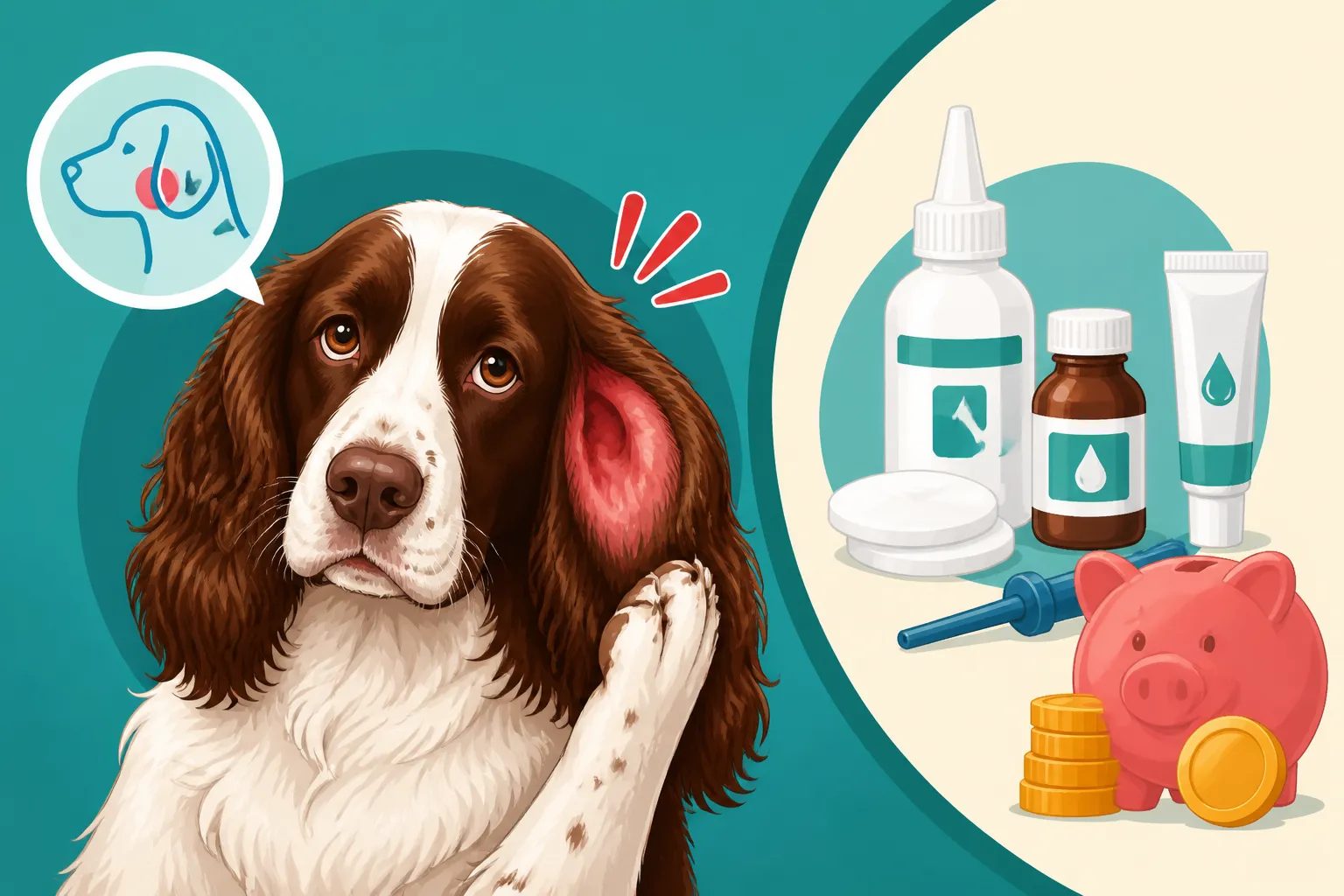
What Treating a Springer Spaniel’s Ear Infection Costs
If you're a Springer Spaniel owner, you've likely spent more than a fair share of time peering into those beautiful, floppy ears, perhaps with a rising sense of dread. Ear infections are a frustratingly common ailment for our beloved Springers, and when they strike, the question quickly becomes: what is this going to cost me? It's not just the immediate vet bill; it's often a recurring saga that can really add up. This guide will break down the various expenses involved in diagnosing, treating, and managing ear infections in your English Springer Spaniel, from initial vet visits to long-term care and preventative strategies, giving you a realistic picture of the financial commitment.
The Initial Veterinary Detective Work: Diagnosis Costs
When your Springer Spaniel starts shaking its head, scratching at an ear, or you notice a foul odor, your first step is inevitably a trip to the vet. This initial visit is crucial for accurate diagnosis, and it comes with its own set of costs. It's not just a quick peek; your veterinarian needs to do some detective work to understand exactly what's going on inside that ear canal.
The Consultation and Basic Examination
Every vet visit begins with a consultation fee and a general physical examination. The vet will observe your dog, check their overall health, and then focus on the affected ear. They'll use an otoscope to look deep into the ear canal, checking for redness, swelling, discharge, foreign bodies, or any damage to the eardrum. This initial exam is fundamental, as it helps rule out other issues that might mimic an ear infection, like a lodged grass awn or even a tumor.
Sometimes, the ear canal can be so swollen and painful that a thorough examination isn't even possible without sedation, which adds another layer of cost. Imagine your normally stoic Springer yelping in pain just from a gentle touch near its ear – it happens. The vet might also ask about your dog's history: have they been swimming lately? Have they had ear problems before? What medications, if any, have you tried? This information helps guide their diagnostic process, but the physical exam and initial assessment are the baseline.
Ear Cytology and Microscopic Analysis
After the initial exam, the most common diagnostic step is an ear cytology. This involves taking a swab of the discharge from your Springer's ear and examining it under a microscope. This simple yet powerful test allows the vet to identify the culprits: bacteria (often cocci or rods), yeast (typically Malassezia), or a combination of both. Knowing which type of organism is causing the infection is absolutely critical because bacterial infections require antibiotics, while yeast infections need antifungal medications. Using the wrong medication is not only ineffective but can worsen the problem and lead to antibiotic resistance.
The cost of an ear cytology is usually separate from the consultation fee. If both ears are affected, your vet will likely swab both, which might incur a slightly higher charge. It's a small price to pay for targeted treatment, though. Without this test, treatment becomes a guessing game, prolonging your Springer's discomfort and potentially escalating future costs as you try various ineffective remedies. It helps answer important questions like "How Common Fucosidosis Is in Springer Spaniels" or "Whether Fucosidosis Has Been Bred Out of Springer Spaniels" if there are neurological signs, but for pure ear infections, cytology is the go-to.
Culture and Sensitivity Testing
In cases of severe, recurrent, or non-responsive ear infections, your vet might recommend a culture and sensitivity test. This takes the ear cytology a step further. Instead of just identifying the type of organism, the sample is sent to a lab to grow the bacteria or yeast, and then various antibiotics or antifungals are tested against it to see which ones are most effective. This is particularly important if the infection isn't clearing up with standard treatments, suggesting a resistant strain of bacteria.
While more expensive than a simple cytology, a culture and sensitivity test can save you money and frustration in the long run by pinpointing the exact medication needed. Imagine weeks of trying different ear drops that don't work, only to find out a resistance panel would have given you the answer much sooner. This test is a strategic investment for stubborn infections. The results might take a few days to come back, meaning a delay in starting the most effective treatment, but it's often worth the wait to avoid further complications and expense.
Battling the Bugs: Medication and Treatment Expenses
Once your veterinarian has diagnosed the type of ear infection, the next step is prescribing the right medications. This phase often involves a combination of topical and sometimes oral treatments, and the cost can vary widely depending on the severity and nature of the infection.
Topical Ear Cleaners and Medications
For most ear infections, the primary treatment involves medicated ear drops or ointments. These topical medications are applied directly into your Springer Spaniel's ear canal after it has been thoroughly cleaned. They typically contain a combination of ingredients: an antibiotic for bacterial infections, an antifungal for yeast, and often a steroid to reduce inflammation and pain. Brands like Otomax, Posatex, or Claro are commonly prescribed. The cost of these medications varies, but a single tube or bottle can be a significant expense, especially for a multi-component product.
Beyond the medicated drops, regular ear cleaning is absolutely vital. Your vet will likely prescribe a specific ear cleaner to use before applying medication. This cleaner helps remove debris, wax, and discharge, allowing the medication to penetrate deeper and work more effectively. You'll probably be told about the importance of using a good quality ear cleaner, something you might even find on Chewy after your vet approves it. Neglecting to clean the ears properly is one of the biggest reasons treatments fail and infections recur, adding to your overall costs. It's also something you'll be doing long-term if your Springer is prone to ear issues, so understanding how often a drop eared Springer Spaniel needs cleaning is essential.
Oral Antibiotics, Antifungals, and Pain Relief
In more severe cases, especially those with deep-seated infections, extensive swelling, or systemic involvement, your Springer Spaniel might also need oral medications. This could include a course of oral antibiotics or antifungals to tackle the infection from the inside out. These medications are typically prescribed for a longer duration, sometimes for several weeks, and can be more expensive than topical treatments. Pain relief or anti-inflammatory medications might also be prescribed, especially if the ear is very inflamed and causing your dog significant discomfort.
A classic scenario involves a Springer with an ear so red and swollen it's almost completely closed. In such a situation, oral steroids might be given for a few days to reduce the inflammation enough to allow topical medications to even be administered. This adds to the cost but is often necessary for effective treatment. It's important to follow your vet's instructions precisely and complete the full course of medication, even if your Springer's ear seems to be getting better. Stopping early is a common mistake that can lead to a relapse and, you guessed it, more vet bills down the line.
When the Problem Persists: Chronic Ear Disease Management
Some Springer Spaniels, unfortunately, fall into the category of having chronic ear disease. This isn't just a one-off infection; it's a recurring, often frustrating battle that requires ongoing management and can significantly increase costs over time. Understanding what chronic ear disease costs a Springer Spaniel owner is important for long-term budgeting.
Allergy Testing and Management
Many chronic ear infections in Springer Spaniels are actually a symptom of an underlying allergy. Whether it's environmental allergens like pollen, dust mites, or certain food ingredients, these allergies cause inflammation in the skin, including the lining of the ear canal. This inflammation creates a perfect breeding ground for bacteria and yeast. If your Springer is experiencing recurrent ear infections, your vet will likely recommend exploring allergy testing. This can include intradermal skin testing or blood tests, both of which come with their own price tags.
Managing allergies is a long-term commitment. It might involve special diets – sometimes a hydrolyzed protein diet or a limited ingredient diet – which can be more expensive than standard kibble. Brands like Ollie, known for fresh, customized food, might be explored by some owners as part of a comprehensive allergy management plan. Environmental allergies might require allergy injections (immunotherapy), which are given regularly, or daily oral medications like Apoquel or Cytopoint injections, which can also be quite costly on an ongoing basis. It's a significant shift from treating just the infection to managing the root cause. This is especially relevant if you're wondering whether a Springer Spaniel's ear infection is allergy driven.
Long-Term Medications and Preventative Maintenance
For some Springers, even with allergy management, daily or weekly preventative measures are necessary to keep chronic ear infections at bay. This could involve using prescription-strength ear cleaners several times a week, or even prophylactic medicated ear drops on a regular schedule. These aren't just over-the-counter solutions; they're often potent veterinary formulations designed to keep the ear canal healthy. Buying these regularly adds up over months and years.
Think about a Springer Spaniel that loves to swim – a common trait for the breed. Even after careful drying, those floppy ears can trap moisture, creating an ideal environment for infections. For such dogs, your vet might recommend specific drying agents or a maintenance cleaning routine every time they get wet. This diligent care, while costing money and time, is far less expensive and stressful than repeated emergency vet visits for full-blown infections. It’s a commitment to preventing the next crisis, and understanding whether a Springer Spaniel needs a drying solution after water is key.
Last Resort: Surgical Solutions and Their Price Tag
Sometimes, despite the best efforts with medical management, ear infections become so severe or chronic that surgical intervention is the only viable option. These procedures are typically reserved for cases where the ear canal is irreversibly damaged, or when other treatments have repeatedly failed.
Aural Hematoma Repair
An aural hematoma isn't an infection itself, but a common consequence of an ear infection. When a Springer Spaniel shakes its head vigorously due to severe itchiness and pain from an infection, it can rupture blood vessels within the ear flap, causing a large blood blister to form. This is incredibly painful and needs surgical intervention to drain the blood and prevent permanent disfigurement of the ear.
The surgery involves incising the hematoma, draining the fluid, and then stitching the ear flap in a way that allows the skin to reattach to the cartilage, preventing the hematoma from refilling. The procedure usually requires general anesthesia and post-operative care, including pain medication and antibiotics. While not directly treating the infection, it's an expense directly caused by the infection's discomfort, and it can add a significant sum to your overall vet bills.
Lateral Ear Resection and Total Ear Canal Ablation (TECA)
For Springers with end-stage chronic ear disease, where the ear canal has become permanently thickened, scarred, and narrowed (a condition often called End-Stage Ear Disease), radical surgery might be recommended. A lateral ear resection involves removing the vertical part of the ear canal to improve ventilation and allow for easier cleaning. It’s less common now, often superseded by more comprehensive procedures.
The most definitive surgical solution is a Total Ear Canal Ablation (TECA) with Bulla Osteotomy. This is a major surgery where the entire diseased ear canal is removed, leaving only the ear flap. The bone surrounding the middle ear (bulla) is also opened to clean out any infection. This procedure is complex, requires a specialized veterinary surgeon, and is performed under general anesthesia. It's usually reserved for cases of severe, debilitating chronic ear infections that have not responded to any medical therapy, or where there's a tumor. While it removes the source of chronic pain and infection, it also results in deafness in the operated ear. This is a very significant financial outlay, but often offers profound relief to a dog that has suffered for years, finally answering the question of whether a Springer Spaniel needs ear surgery.
Investing in Prevention: Saving Money and Stress
While treating an active ear infection is reactive, a proactive approach to ear care can save you a lot of money, stress, and discomfort for your Springer Spaniel in the long run. Preventative care is an ongoing investment, but it's one that consistently pays dividends.
Routine Cleaning and Drying Solutions
Given that "Why a Springer Spaniel's Ears Are Never Quite Healthy" is a common lament among owners, establishing a regular ear cleaning routine is paramount. For most Springers, especially those with floppy ears and a love for water, weekly or bi-weekly cleaning is a good idea. Your vet can recommend a gentle, pH-balanced ear cleaner that won't irritate the delicate skin inside the ear canal. You can often purchase these through your vet or find recommended brands on online retailers like Chewy.
After baths, swimming, or any water exposure, thoroughly drying your Springer's ears is just as important. Use soft cotton balls or gauze to gently absorb moisture from the visible parts of the ear canal. Some owners even use a low-setting hairdryer (held at a safe distance) to ensure the ears are completely dry. The goal is to remove the moist, warm environment that fungi and bacteria thrive in. It's a small habit that can prevent big problems.
Dietary Management and Allergy Control
As we discussed, many chronic ear issues stem from allergies. Investing in appropriate dietary management or allergy control can be a powerful preventative measure. If your vet suspects food allergies, they might recommend a prescription hypoallergenic diet. These diets use novel proteins or hydrolyzed proteins to which your dog is less likely to react. While these specialized foods can be more expensive than conventional kibble, they are often a crucial part of preventing allergy-driven inflammation that leads to ear infections. For those exploring fresh food options, services like Ollie are designed to offer controlled, easily digestible meals that can sometimes reduce allergen exposure.
Beyond specific diets, ensuring your Springer Spaniel has a high-quality, balanced diet supports overall skin and coat health, which in turn can bolster their resistance to ear issues. Nutritional supplements, such as omega fatty acids, can also contribute to a healthy skin barrier and reduce inflammation throughout the body, including the ears. It's all about minimizing the internal conditions that make your Springer vulnerable.
Regular Grooming and Hair Management
The long, silky feathering characteristic of many Springer Spaniels, while beautiful, can also contribute to ear problems. Hair inside the ear canal can trap wax and debris, reduce air circulation, and create an ideal environment for infection. Regular grooming, including trimming the hair around and just inside the ear canal, can significantly improve airflow and reduce moisture buildup. This is often done by professional groomers, but some owners learn to do it themselves with proper guidance from their vet or a professional.
However, be cautious about plucking ear hair unless specifically advised by your vet. While some breeds benefit from it, for Springers, it can sometimes cause micro-trauma and inflammation, paradoxically leading to more infections. Discuss the best approach for your individual Springer's ear hair management with your veterinarian. This preventative grooming step is less about expense and more about diligence, preventing the need for more costly medical interventions later on.
Here's a breakdown of potential costs you might encounter:
| Service/Item | Typical Cost Range (USD) | Notes |
|---|---|---|
| Initial Diagnosis | ||
| Vet Consultation/Exam | $50 – $150 | Varies by clinic and location. |
| Ear Cytology (per ear) | $30 – $80 | Identifies bacteria/yeast type. |
| Culture & Sensitivity | $150 – $300 | For resistant or recurrent infections; takes days for results. |
| Medications & Treatment | ||
| Topical Ear Drops/Ointment | $40 – $120 | Medicated drops (antibiotic, antifungal, steroid combo). |
| Prescription Ear Cleaner | $20 – $40 | Used before medication; often needed long-term for prevention. |
| Oral Antibiotics/Antifungals | $30 – $150 | For severe or deep infections; cost depends on duration and medication. |
| Pain/Anti-inflammatory meds | $20 – $70 | For acute discomfort and swelling. |
| Chronic Management | ||
| Allergy Blood Test | $200 – $400 | Identifies environmental/food allergens. |
| Intradermal Skin Test | $300 – $600 | Performed by a veterinary dermatologist. |
| Hypoallergenic Diet | $80 – $150+ per bag/month | Specialized kibble or fresh food (e.g., Ollie) for food allergies. |
| Apoquel/Cytopoint (monthly) | $70 – $150+ | For environmental allergy management; varies by dog size. |
| Allergy Injections (monthly) | $50 – $100 | Custom immunotherapy serum, initial setup costs extra. |
| Surgical Interventions | ||
| Aural Hematoma Repair | $500 – $1,500 | Includes anesthesia, surgery, and post-op care. |
| Total Ear Canal Ablation (TECA) | $2,000 – $5,000+ | Major surgery, often performed by specialists; per ear. |
Softening the Financial Blow: Pet Insurance Considerations
The costs associated with ear infections, especially chronic ones or those requiring surgery, can quickly become overwhelming. This is where pet insurance can play a crucial role in managing your financial outlay and ensuring your Springer Spaniel gets the best possible care without you having to agonize over every bill.
What Pet Insurance Covers
A good pet insurance policy typically covers unexpected illnesses and accidents. This means that if your Springer Spaniel develops an ear infection, the diagnostic tests (exam, cytology, culture), medications (topical and oral), and even surgical procedures like aural hematoma repair or TECA would likely be covered, subject to your deductible and reimbursement rate. This can be a huge relief, turning a potentially thousands-of-dollars bill into a much more manageable out-of-pocket expense.
However, it's vital to understand the terms of your policy. Most pet insurance plans, including those from providers like Healthy Paws, have a waiting period before coverage begins for illnesses. Also, pre-existing conditions are generally not covered. This means if your Springer already has a history of ear infections before you enroll in a policy, those specific ear issues might be excluded from coverage. This highlights the importance of enrolling in pet insurance when your dog is young and healthy, before any chronic issues arise. If you're pondering what insuring a Springer Spaniel runs, factoring in potential ear issues is a must.
Navigating Deductibles and Reimbursement
When considering pet insurance, you'll encounter terms like "deductible" and "reimbursement percentage." The deductible is the amount you pay out of pocket before your insurance coverage kicks in. You might choose an annual deductible of, say, $250, $500, or even $1,000. A higher deductible usually means a lower monthly premium. Once you meet your deductible for the year, your insurance company will then reimburse you for a percentage of the remaining eligible veterinary costs – typically 70%, 80%, or 90%.
For example, if your Springer Spaniel has a severe ear infection that costs $500 to treat, and you have a $250 deductible and an 80% reimbursement rate, you'd pay the initial $250 deductible. Of the remaining $250, the insurance would cover 80% ($200), and you'd pay the remaining $50. Your total out-of-pocket for that incident would be $300, saving you $200. For something like a TECA surgery costing $3,000, the savings become even more significant. It's a way to plan for the unexpected and ensure you're not caught off guard by the considerable expenses that chronic or severe ear disease can incur, especially when you think about whether a Springer Spaniel's ear disease becomes pre existing.
Disclaimer
This article is for general informational purposes only and does not constitute professional advice. Laws, prices and regulations vary by location and change over time. Consult a qualified professional for guidance on your specific situation.