Whether a Show Springer Spaniel Has More Coat
It’s a common sight: you see a majestic English Springer Spaniel at a dog show, flowing coat gleaming, and then you see another Springer, perhaps out in a field, with a much shorter, neater appearance. This often leads to the natural question, "Does a show Springer Spaniel really have more coat than its field-bred cousin?" The answer isn't just about quantity, but about quality, distribution, and the purpose behind each coat type. This guide will walk you through the distinct differences in coat between show-bred and field-bred English Springer Spaniels, explaining why these variations exist and what they mean for care and ownership.
The Distinct Silhouettes: Understanding Show vs. Field Coats
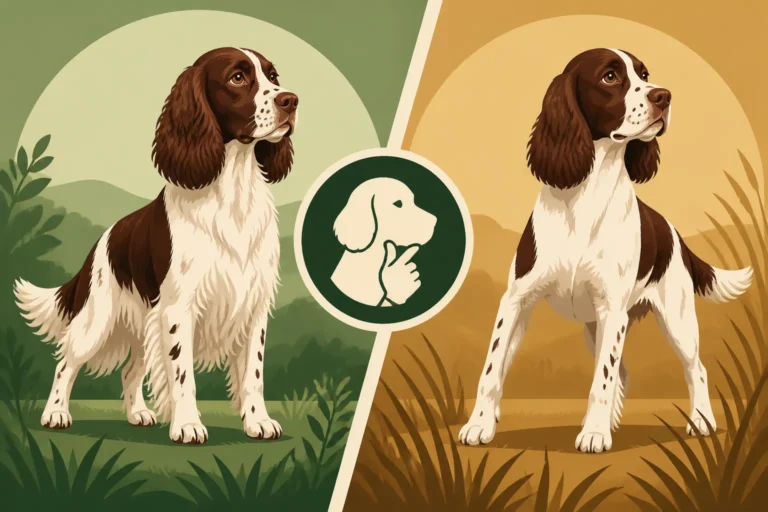
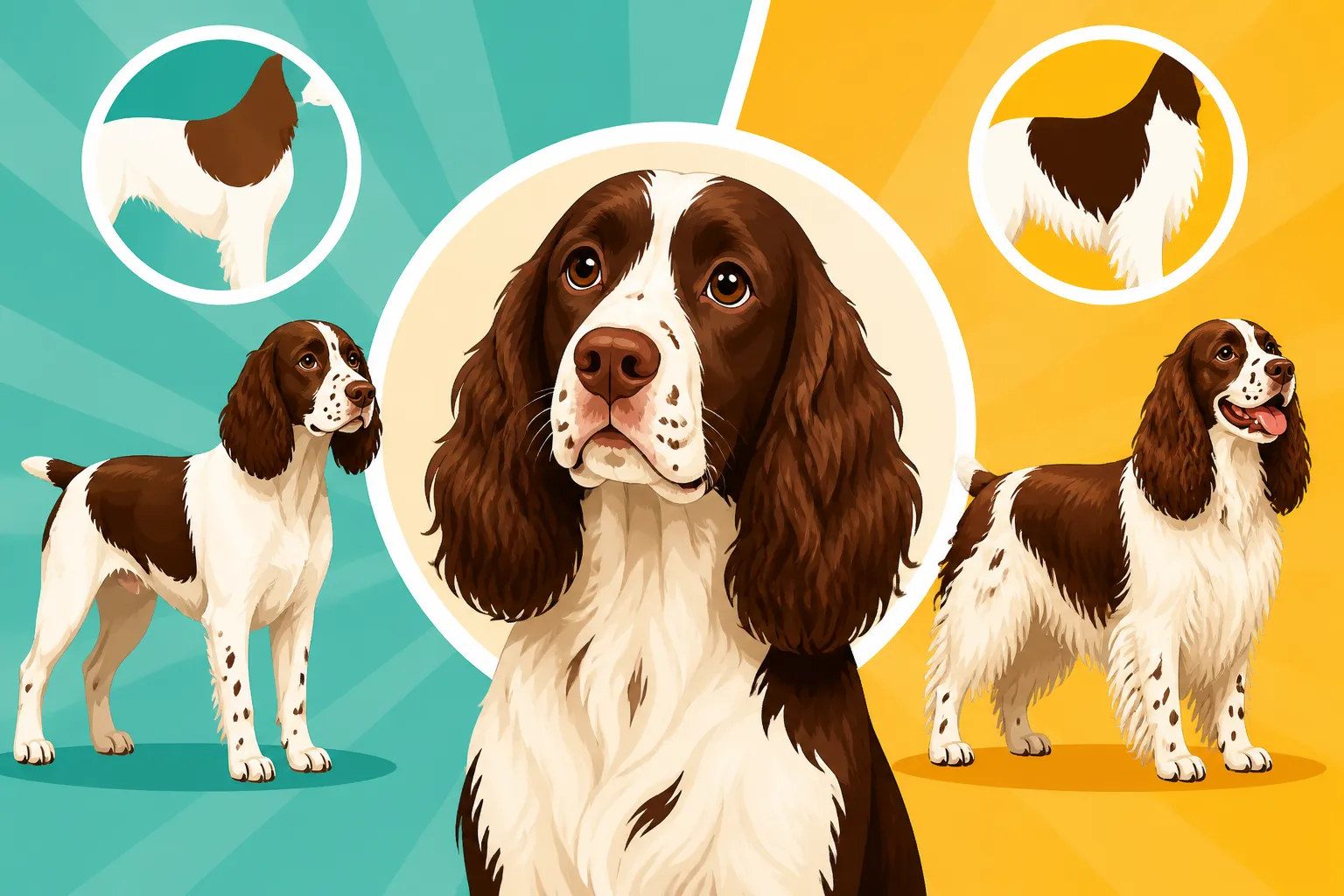
When you first look at an English Springer Spaniel, especially in photos, you might wonder if you're looking at two entirely different breeds. The visual difference in their coats is often the most striking feature, leading to a lot of confusion for prospective owners. It's not just an illusion; there are tangible distinctions.
The "Feathering" Phenomenon on Show Springers
The term "feathering" perfectly encapsulates the luxurious, flowing hair that is the hallmark of a show-bred Springer Spaniel. This isn't just extra fuzz; it's specific growth patterns of longer, silkier hair found on particular parts of the dog's body. Think of those beautiful, elegant fringes that adorn the backs of their legs, often resembling delicate bloomers or culottes. This feathering extends to their chest, creating a deep apron, and along their belly, forming a skirt-like effect that can sweep the ground if left untrimmed. And, of course, their ears are often draped in long, silky waves, contributing to that classic, regal Springer Spaniel look. The tail, too, is a banner of feathering, carried gaily and full.
This abundance of soft, often wavy hair is intentionally bred for in show lines. It's part of the breed standard that judges look for in the ring, contributing to the overall aesthetic appeal, balance, and grace of the dog's silhouette. It gives them a more substantial, glamorous appearance, a distinct and celebrated feature within the show community. However, this magnificent coat is not without its demands, as anyone who has battled burrs or mud after a walk can attest. It’s a coat designed to be admired, but it also means a dedicated grooming routine.
The Functional Coat of a Field Springer
In stark contrast, the field-bred Springer Spaniel sports a coat that is all about practicality and efficiency for its original purpose: working in dense cover and retrieving game. When you look at a field Springer, you'll immediately notice a much leaner, less adorned silhouette. Their coat is typically shorter overall, lying closer to the body, and often coarser in texture. This isn't a genetic oversight; it's a deliberate characteristic bred for survival and success in the hunting field.
The field coat is designed to be protective, shedding water and dirt with ease, and providing a barrier against brambles, thorns, and rough undergrowth without snagging excessively. While they still possess some feathering, especially on their legs and belly, it is significantly shorter and much less profuse than on their show counterparts. This minimalist approach to feathering means less opportunity for burrs to cling, fewer mats to form, and quicker drying times after a dip in a cold pond. A working Springer needs to be agile and unencumbered, and its coat reflects this need for unhindered movement and robust protection from the elements. This functional elegance is just as beautiful in its own way, highlighting the dog’s athletic build and readiness for action. For more on how these differences impact daily life, you might want to read How a Field Bred Springer Spaniel Differs in Drive.
Why the Difference? History, Purpose, and Standards
The divergence in coat types between show and field Springer Spaniels isn't accidental. It's the result of decades of selective breeding, driven by distinct goals for each type. Understanding this history helps clarify why these coats look so different today, despite being the same breed.
The Influence of Breed Standards
The world of dog shows places a high value on aesthetics, presentation, and adherence to a written breed standard. For the show-bred English Springer Spaniel, this standard describes an elegant, balanced dog with a "moderately long" coat that is "weatherproof, dense, and close-lying," with "feathering of moderate length" on certain areas. While the standard isn't explicitly calling for excessive length, the interpretation and competitive nature of the show ring have led breeders to select for dogs with increasingly profuse and luxurious feathering. A fuller, more dramatic coat often catches the judge's eye and helps create that archetypal, flowing outline.
This isn't just about length; it's also about texture and how the coat presents itself. Show breeders work hard to produce dogs with coats that have a good "fall"—meaning the hair lies smoothly and beautifully, highlighting the dog's structure. Regular grooming, including strategic trimming and stripping, is then used to sculpt this natural coat into the ideal show ring presentation. The goal is to enhance the dog's natural beauty and conformity to the standard, creating an impression of refinement and grace. While beauty is in the eye of the beholder, the sheer volume and meticulous shaping required for a show coat are undeniable. How a Show Springer Spaniel's Coat Differs goes into even more detail on these specific characteristics.
The Practical Needs of a Working Dog
Conversely, the field-bred Springer Spaniel has been bred for centuries with a single purpose in mind: to be an effective hunting companion. Every aspect of its physical makeup, including its coat, is optimized for function in the field. Imagine a dog plunging through thorny thickets, navigating icy waters, and retrieving birds in challenging terrain. A long, silky coat would be a significant hindrance. It would snag on branches, pick up burrs and foxtails by the dozens, become waterlogged, and take forever to dry, potentially leading to hypothermia in cold conditions.
Therefore, field breeders prioritize a coat that is shorter, denser, and coarser. This type of coat acts like natural armor, offering superior protection against environmental hazards. It's often described as a "wash and wear" coat—it requires minimal maintenance because its texture and length naturally repel debris and shed water. This doesn't mean field Springers have no grooming needs, but their coat is inherently less demanding in terms of aesthetic upkeep. The emphasis is on durability and utility, ensuring the dog can perform its demanding job without being weighed down or injured by its own hair. This practical approach to breeding highlights the true working heritage of the Springer Spaniel.
The Realities of Coat Management and Grooming
The choice between a show-bred and a field-bred Springer Spaniel often comes down to lifestyle, and a major part of that lifestyle consideration is coat management. What looks gorgeous in a photo translates into very different daily realities.
The Grooming Demands of a Show Coat
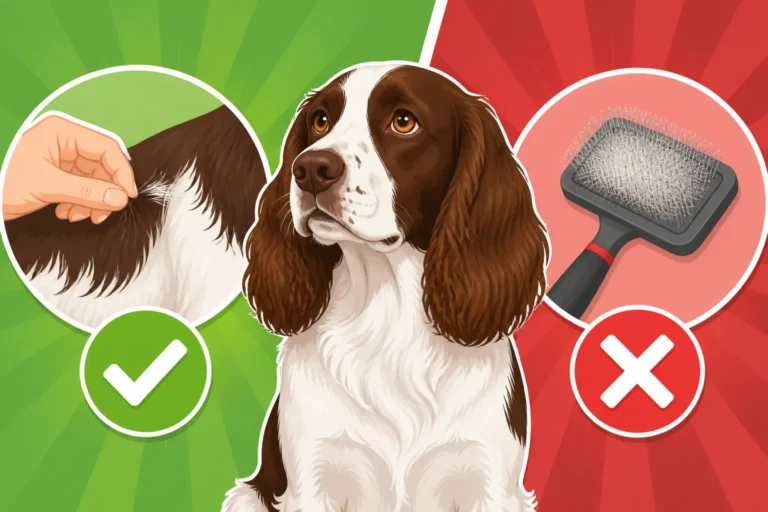
Let's be blunt: a show Springer Spaniel's coat is a commitment. Those beautiful flowing feathers and perfectly coiffed ears don't happen by magic. Regular, often daily, brushing is essential to prevent mats and tangles, especially in the feathering behind the ears, under the armpits, and on the belly and legs. If you don't keep on top of it, those soft hairs can quickly knot up into painful mats that pull on the skin. You'll find yourself needing a good quality slicker brush and a metal comb. Sites like Amazon and Chewy are fantastic resources for these tools, offering a wide range of options to suit your specific grooming needs.
Beyond daily brushing, show Springers typically require professional grooming or dedicated home grooming sessions every 4-8 weeks. This isn't just a quick bath; it involves meticulous trimming with thinning shears to shape the head, neck, and feathering, as well as hand-stripping certain areas to maintain coat texture. It's an art form, really! Failure to maintain this coat can lead not only to a less attractive dog but also to skin issues, discomfort, and even infections if mats get too tight or trap moisture. Many owners budget for a professional groomer, as mastering the technique yourself takes time and practice. Consider What a Full Groom on a Show Springer Spaniel Costs if you're leaning towards this type of Springer.
Maintenance for the Field Springer
While the field Springer's coat is undeniably lower maintenance than its show counterpart, it's not entirely hands-off. Remember, this dog is designed to be out in the elements, and that brings its own set of grooming needs. Their shorter, denser coat still requires regular brushing, perhaps a couple of times a week, to remove loose hair, dirt, and any minor tangles that might form. A good pin brush or a curry brush works wonders on their coat, helping to distribute natural oils and keep the skin healthy. Again, you can easily find these on Chewy or Amazon.
The biggest difference is the focus on functional checks. After every outing in the field, a thorough "once-over" is crucial. This means checking for burrs, ticks, thorns, and those insidious grass awns that can burrow into paws or ears. While their coat is less likely to matt, any foreign objects need to be removed promptly to prevent irritation or infection. Their shorter feathering means fewer places for debris to hide, but vigilance is still key. Many field owners opt for a professional trim a few times a year, simply to tidy up the feathering around the paws, ears, and belly to keep them neat and efficient for their work. So, while you might not need a professional groomer every month, regular checks and basic maintenance are still part of the deal. If you're wondering about grooming costs, Whether a Field Bred Springer Spaniel Saves on Grooming provides some useful insights.
Beyond Aesthetics: Health and Lifestyle Considerations
The coat isn't just about looks or grooming time; it plays a significant role in your Springer Spaniel's overall health and comfort. Understanding these deeper implications can help you make an informed decision when choosing your canine companion.
Coat and Comfort
The sheer volume of a show Springer's coat, while beautiful, can impact their comfort, especially in warmer climates or during strenuous exercise. Longer, denser feathering can trap heat, making it easier for them to overheat compared to a field Springer with its sparser coat. Owners of show-bred dogs often need to be more mindful of exercise intensity and duration in hot weather, ensuring plenty of shade and water. Some owners even resort to having their show Springers clipped shorter in the summer months for comfort, though this isn't typically done if the dog is actively showing, as it alters the coat.
Conversely, the field Springer’s coat, while protective, might offer less insulation in extremely cold, dry conditions if the dog isn't actively working. However, its quick-drying nature is a massive advantage when working in wet, cold environments, reducing the risk of hypothermia. The texture also impacts what they pick up from the environment. A show coat, with its finer, silkier hair, can act like a magnet for burrs, seeds, and mud, turning a simple walk into a major clean-up operation. A coarser field coat is often more resistant to these hitchhikers. This distinction in coat impacts everything from how long it takes to dry after a swim to how much dirt they track into your home. You might also want to think about How Much a Springer Spaniel Sheds Into a House, regardless of coat type.
Choosing the Right Coat for Your Lifestyle
Ultimately, the "best" coat type depends entirely on your lifestyle and expectations for your dog. If you envision a canine companion who enjoys leisurely walks, occasional trips to the park, and perhaps the occasional conformation show, a show-bred Springer Spaniel with its glorious coat might be a perfect fit. You'll need to be prepared for the time and potentially financial commitment of regular grooming, whether you do it yourself or hire a professional. This coat is a statement, and maintaining it is part of the ownership experience.
If, however, your ideal companion is an active, robust partner for hiking, hunting, competitive dog sports, or simply long, vigorous romps in the woods and fields, the functional coat of a field-bred Springer Spaniel will be far more practical. While still requiring care, its design minimizes the fuss and maximizes durability. You'll spend less time untangling mats and more time enjoying adventures together. It's a trade-off between glamour and grit, and both are equally valid, depending on what you're looking for in your loyal Springer Spaniel.
Here's a quick comparison of the two coat types:
| Feature | Show Springer Spaniel Coat | Field Springer Spaniel Coat |
|---|---|---|
| Overall Length | Moderately long with extensive feathering | Shorter, lies closer to the body |
| Feathering | Profuse on ears, chest, belly, legs, and tail | Significantly less, shorter, primarily on legs and belly |
| Texture | Softer, silkier, often wavy | Coarser, denser, more straight |
| Purpose | Aesthetic appeal, adherence to breed standard for show ring | Protection from elements, ease of movement in dense cover |
| Grooming Needs | Extensive: daily brushing, regular trimming/stripping, professional help often needed | Moderate: regular brushing, post-activity checks for debris, occasional tidy trims |
| Maintenance | High, prone to matting, collects burrs easily, longer drying time | Lower, naturally repels debris, quicker drying time, fewer mats |
| Heat Retention | Can trap more heat, more prone to overheating in warm weather | Better heat dissipation, less prone to overheating |
Choosing between a show-bred and a field-bred Springer Spaniel is a significant decision, and understanding their distinct coat types is a crucial piece of that puzzle. It's about matching the dog to your lifestyle, ensuring both you and your future companion will be happy and comfortable for years to come.
Disclaimer
This article is for general informational purposes only and does not constitute professional advice. Laws, prices and regulations vary by location and change over time. Consult a qualified professional for guidance on your specific situation.