What a Working Springer Spaniel’s Food Bill Runs in Season
If you're a proud owner of a working English Springer Spaniel, you already know they're not just pets; they're athletes, lean, mean, bird-finding machines. But as the hunting season ramps up, so does their energy output, and with that, a noticeable hike in their food bill. It's a common frustration, trying to keep your dog in peak condition without breaking the bank. This guide aims to demystify exactly what goes into fueling your working Springer Spaniel during the season, covering everything from increased caloric needs to smart budgeting.
The Fuel Demands of a Working Springer Spaniel In Season
Let's be real, a working Springer Spaniel isn't lounging on the couch all day. When they're out in the field, quartering through dense cover, flushing game, and retrieving, they're burning an incredible amount of calories. It’s not just a casual stroll; it’s a full-body workout, often over rough terrain and in varying weather conditions. This high level of physical exertion means their dietary needs shift dramatically compared to their off-season routine. It's not uncommon to hear owners fret about how much their dog is eating, and honestly, it can feel like throwing food into a bottomless pit sometimes!
Why Energy Requirements Skyrocket
Think about it: your Springer Spaniel is using muscles constantly, maintaining body temperature in cold water or chilly winds, and engaging its brain for hours on end. All of this demands fuel. The energy expenditure can be two to four times higher than a sedentary dog of the same size. If you're running your dog several days a week, even for just a few hours each time, their body is constantly in recovery mode, rebuilding muscle and replenishing glycogen stores.
Hypothetically, imagine your Springer, "Dash," typically needs around 1,500 calories a day during the quieter months. Once duck season or pheasant season starts, and Dash is out working 3-4 days a week for 4-6 hours each time, that caloric need might jump to 3,000, even 4,000 calories or more on heavy days. It's a massive difference, and if you don't meet those needs, you'll quickly see a drop in performance, weight loss, and potentially a compromised immune system. You can learn more about their daily intake needs in How Much a Working Springer Spaniel Should Eat versus How Much a Pet Springer Spaniel Should Eat.
Beyond Just More Food: The Quality Factor
It's not simply about shoveling more kibble into the bowl. The type of food matters immensely. A working dog needs a diet rich in high-quality protein and fats. Proteins are essential for muscle repair and maintenance, while fats are a concentrated source of energy, crucial for endurance. Carbohydrates also play a role in providing quick energy, but for sustained effort, fat is king.
You might be feeding a perfectly good "all life stages" kibble during the off-season, but it likely won't cut it when your Springer is in full working mode. That's when you start looking at performance formulas, which are specifically designed with higher protein and fat percentages. These specialized foods come with a higher price tag, naturally, but they offer the dense nutrition your dog requires. Trying to feed an "all-purpose" kibble during peak season would mean feeding an enormous volume, which can lead to digestive upset, bloat, and simply not enough concentrated energy. This often leads owners to wonder Whether a Working Springer Spaniel Needs a Performance Formula.
Navigating Performance Diets and Their Impact on Cost
When your Springer Spaniel is in full working swing, its food bill isn't just a simple line item; it becomes a significant investment in their health, performance, and longevity. The market is brimming with options, from premium kibbles to fresh-cooked meals, each with its own cost implications and nutritional benefits. Understanding these can help you make informed choices that fit both your dog's needs and your budget.
High-Performance Kibble: The Workhorse Choice
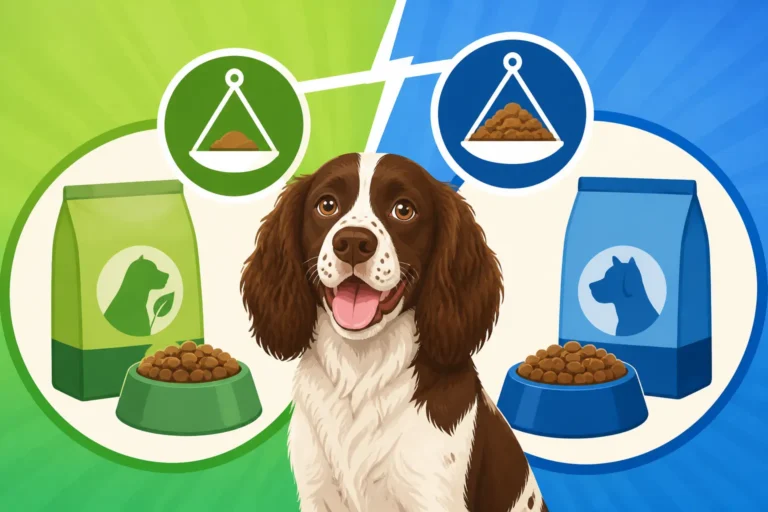
For many working dog owners, high-performance dry kibble is the go-to. These formulas are specifically engineered for active dogs, boasting higher protein content (often 28-32% or more) and increased fat levels (18-25% is common). Brands like Eukanuba, Purina Pro Plan Sport, and Royal Canin's performance lines are popular for good reason—they’re backed by extensive research and formulated to provide sustained energy.
The cost difference between a standard adult formula and a performance formula can be substantial. A bag of regular kibble might cost you a certain amount, but a bag of high-performance food of the same size will almost certainly be more. This isn't just marketing; it's due to the higher quality and concentration of ingredients, particularly animal proteins and fats. If your Springer, let's call him "Copper," is eating two to three times his normal amount of a more expensive food, that monthly bill can easily double or even triple during hunting season. This often makes owners question Whether a Working Springer Spaniel Needs More Fat specifically, and the answer is usually yes, for sustained energy.
| Food Type | Protein % (Typical) | Fat % (Typical) | Calorie Density (kcal/cup, rough avg.) | Estimated Cost/lb (during season) |
|---|---|---|---|---|
| Standard Adult Kibble | 20-25% | 10-15% | 300-350 | Check Retailer Sites |
| High-Performance Kibble | 28-35% | 18-25% | 400-500+ | Check Retailer Sites |
| Freeze-Dried Raw | 35-45% | 20-30% | 450-550+ | Check Retailer Sites |
| Fresh/Cooked Meals (DIY) | Varies | Varies | Varies | Varies by Ingredients |
Note: Specific percentages and calorie counts vary greatly by brand and formula. Always check the nutritional information on the actual product you intend to purchase.
Fresh and Raw Food Options: A Growing Trend
Beyond traditional kibble, there's a growing interest in fresh-cooked or raw food diets for working dogs. Companies like Ollie deliver pre-portioned, human-grade meals directly to your door, tailored to your dog's specific caloric needs. These diets often boast superior digestibility and nutrient absorption, which can be a huge benefit for a dog working hard. However, the convenience and quality come at a premium.
A fresh food diet, while potentially offering great benefits like better coat health and improved digestion, will almost always be more expensive than high-performance kibble. If you're considering a fresh food option for your working Springer, especially during peak season, be prepared for a significantly higher monthly outlay. The sheer volume of food a working dog consumes means that even a slight increase in per-pound cost can add up quickly. Some owners try to balance this by using fresh food as a topper or supplementing their kibble. You might also find yourself exploring options on sites like Chewy, where you can compare various brands and types of food, from kibble to raw-inspired options.
Supplements: The Hidden Costs
Sometimes, even the best kibble or fresh food might need a little boost. Joint supplements are almost a given for an active Springer Spaniel, especially as they age, to support those hard-working hips and elbows. Fish oils for coat and skin health, or even specific digestive enzymes, might also find their way into your shopping cart. While these aren't "food" in the traditional sense, they become an integral part of maintaining your working dog's health and performance, and thus contribute to the overall bill.
It's a delicate balance. You want to provide everything your dog needs to perform at its best, but you also have a budget to consider. For example, some owners find that adding a high-quality joint supplement early on can potentially stave off more expensive veterinary interventions down the line. It's an investment in their long-term health, much like considering pet insurance from a provider like Healthy Paws to cover unexpected accidents or illnesses that might impact their ability to work or their overall well-being. Thinking about a working dog's needs includes not just food, but the holistic picture of their care.
Strategies for Managing Your Working Springer Spaniel's Seasonal Food Budget
The hunting season is a marathon, not a sprint, and so is managing your working Springer Spaniel's caloric intake and the associated costs. It’s easy to get overwhelmed by the sheer volume of food they consume and the price tag that comes with it. However, with a bit of planning and smart shopping, you can keep your dog well-fueled without completely emptying your wallet.
Bulk Buying and Subscriptions: Your Best Friends
One of the most straightforward ways to save money on dog food, especially high-performance formulas, is to buy in bulk. Larger bags typically offer a lower cost per pound. If you have the storage space – a cool, dry place away from pests – purchasing the biggest bag available makes financial sense. Many online retailers, like Chewy, offer subscription services that not only give you a discount but also ensure you never run out of food, which can be a lifesaver when you're busy with field work. Imagine forgetting to order food and having to buy a small, expensive bag at the local pet store mid-week; bulk buying and subscriptions help prevent that kind of frantic scramble.
Furthermore, signing up for loyalty programs with pet supply stores or directly with food manufacturers can provide additional savings through points, exclusive discounts, or coupons. Keep an eye out for seasonal sales or promotions, too. These can be prime opportunities to stock up before the hunting season fully kicks in, or during mid-season lulls when you might be burning through less food for a short period.
Strategic Supplementation: When and How
While a good high-performance kibble forms the foundation, there might be times when judicious supplementation makes sense, especially if you're trying to stretch your budget slightly without compromising nutrition. For instance, if you're using a slightly less calorie-dense performance kibble, you might add a small amount of high-quality animal fat, like rendered beef fat or even just some good quality fish oil, to boost calorie intake without having to feed an exorbitant volume of kibble. This can be more cost-effective than constantly upgrading to the absolute highest-calorie kibble on the market.
However, always exercise caution with supplementation. Too much of a good thing can be detrimental. It's always a good idea to chat with your veterinarian about any significant dietary changes or additions, particularly for a working dog. They can help you determine if your dog's current diet is truly falling short and what supplements would be most beneficial and safe. For example, some dogs might benefit from probiotics to maintain gut health under the stress of heavy work, ensuring they're absorbing all those expensive nutrients. Remember, the goal is optimal nutrition for peak performance, not just cutting costs.
Monitoring Weight and Body Condition
One of the most crucial elements of managing your working Springer's food bill is vigilant monitoring of their body condition. It's a fine line: you don't want them getting too thin, which can happen incredibly fast when they're burning so many calories. But you also don't want them getting overweight, which can lead to joint problems and reduced endurance. Regularly check their ribs, spine, and waistline. You should be able to feel their ribs easily under a thin layer of fat, but not see them protruding.
If your dog is losing weight, you need to increase their food intake. If they're gaining, you need to slightly cut back. Adjusting their food intake daily or weekly based on their activity level is key. A Springer Spaniel that's hunting hard all weekend might need a larger meal on Sunday night and Monday morning to recover, while a Tuesday rest day might call for a slightly smaller portion. This flexible approach helps ensure you're not overfeeding on inactive days, which wastes food, nor underfeeding on active days, which compromises performance and health. This constant assessment ensures you're feeding exactly what's needed, optimizing both health and cost. Owners should know Keeping a Springer Spaniel at a Working Weight is an ongoing effort.
The Long-Term Impact of Seasonal Feeding on Your Budget
Feeding a working Springer Spaniel isn't just about the immediate cost of the kibble in the bowl. There's a broader financial picture that includes everything from preventative care to potential veterinary bills, all of which can be influenced by how effectively you manage their diet during periods of high activity. Neglecting proper nutrition during hunting season can have repercussions that reach far beyond a skinny dog.
Health Implications and Vet Bills
Underfeeding a working Springer Spaniel, or feeding them a diet that's not nutritionally dense enough, can lead to a host of health problems. Muscle wasting, fatigue, a weakened immune system, and increased susceptibility to injuries are all potential consequences. A dog that's constantly running on empty is more prone to soft tissue injuries, or might take longer to recover from the minor scrapes and bruises that are par for the course in the field. This can lead to unexpected veterinary visits for sprains, strains, or even more serious issues if their body isn't properly fueled for repair and recovery.
Consider a scenario where your Springer, "River," starts losing weight and exhibiting low energy mid-season because you've underestimated his caloric needs. You might end up at the vet, needing costly diagnostics to rule out underlying illnesses, when the root cause was simply insufficient calories or inappropriate nutrition. Proactive, high-quality feeding during the season is an investment in preventing these kinds of issues. Keeping an eye on their health and overall condition, including their joints, is vital, as discussed in Whether a Working Springer Spaniel Wears Out Its Joints.
Overall Annual Food Budget Fluctuations
Your annual food budget for a working Springer Spaniel won't be a flat line. It will ebb and flow with the seasons. During the off-season, when your dog's activity levels are typically lower (though still active, as a Springer Spaniel needs daily exercise), their food intake will decrease, and you might even switch to a less calorie-dense maintenance formula. This means your monthly food bill will naturally drop.
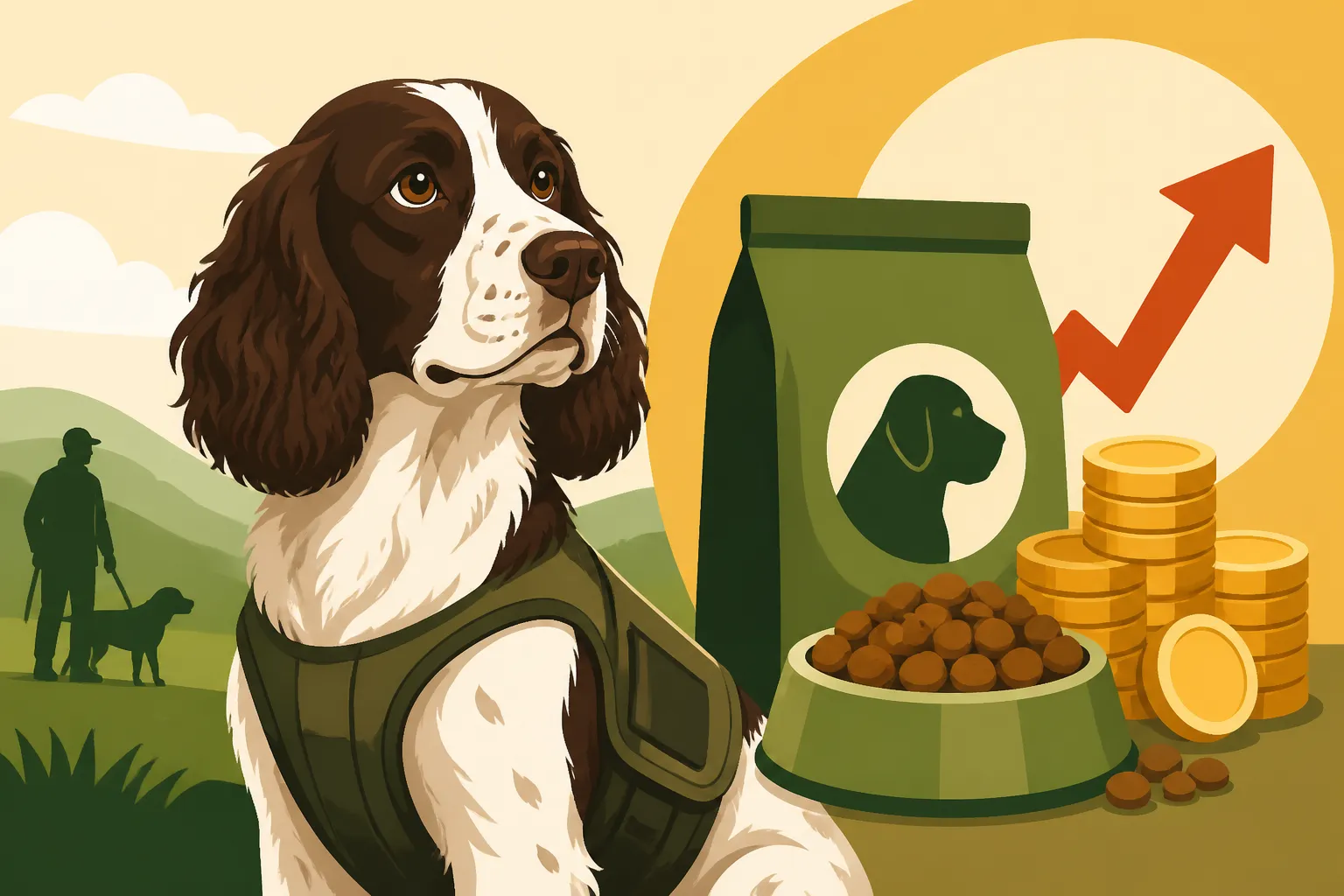
However, once training for hunting season begins, and especially during the season itself, expect a significant spike. This seasonal variation is crucial to factor into your overall household budget. It's not just "dog food money"; it's "seasonal working dog fuel" money. Setting aside a dedicated budget that accounts for these peaks and valleys can prevent financial surprises. Many owners find it helpful to calculate their annual food cost by averaging the higher seasonal costs with the lower off-season costs. For example, if your dog costs $X in food for 6 months of the year and $Y for the other 6 months, your annual average is (6X + 6Y) / 12. This gives you a more realistic financial picture than just looking at a single month's bill. The article How a Springer Spaniel's Feed Bill Compares Between Types also offers insights into cost differences.
Investing in Longevity and Performance
Ultimately, the food bill for your working Springer Spaniel during hunting season is an investment. It's an investment in their ability to perform their job effectively and safely, to maintain their physical condition, and to enjoy a long, healthy life by your side. A well-nourished working dog has more stamina, better focus, and faster recovery times, leading to more successful and enjoyable days in the field.
Skimping on quality or quantity during their peak working periods isn't just about saving a few dollars in the short term; it can compromise their health, reduce their working lifespan, and potentially lead to more expensive problems down the road. Just like a high-performance vehicle needs premium fuel and regular maintenance, your working Springer Spaniel thrives on a diet specifically tailored to their rigorous demands. It's about providing the best possible care for your loyal hunting companion, ensuring they can be the amazing, energetic partner they were bred to be for many seasons to come.
Disclaimer
This article is for general informational purposes only and does not constitute professional advice. Laws, prices and regulations vary by location and change over time. Consult a qualified professional for guidance on your specific situation.